
The New Age of Slow Travel: Meaning Over Miles
Less boarding passes. More belonging.
By the time I arrived in Kyoto, I had already decided not to leave quickly. That, in itself, felt radical.
For years, travel rewarded speed. Three cities in five days. Sunrise at a shrine, noon in a bamboo grove, sunset at a rooftop bar. But somewhere between the fourth airport lounge espresso and the fifteenth “must-see” landmark, the romance began to thin. We were seeing everything — and absorbing nothing.
Now, in 2026, a quiet rebellion is reshaping how the world moves. It’s called slow travel — and it’s less about the distance you cover than the depth you reach.
From Checklist to Connection
Slow travel isn’t new. Pilgrims have walked ancient routes for centuries. Writers once spent entire seasons abroad. What’s changed is the intention.
Today’s traveler is staying longer, choosing fewer destinations, renting homes rather than hotel rooms, and shopping at neighborhood markets rather than gift shops. Instead of racing through capitals, they are choosing second cities, rural regions, and creative enclaves.
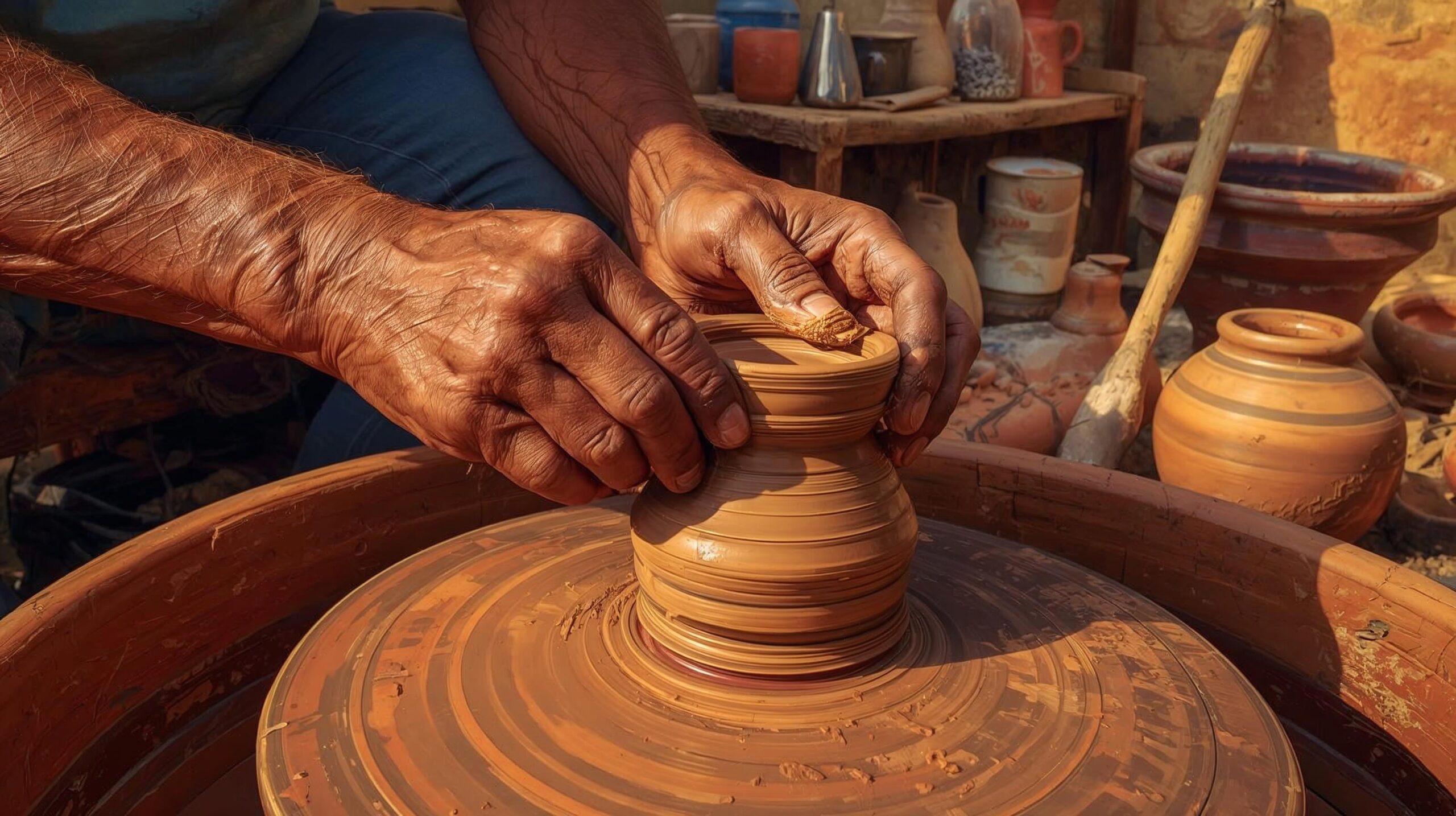
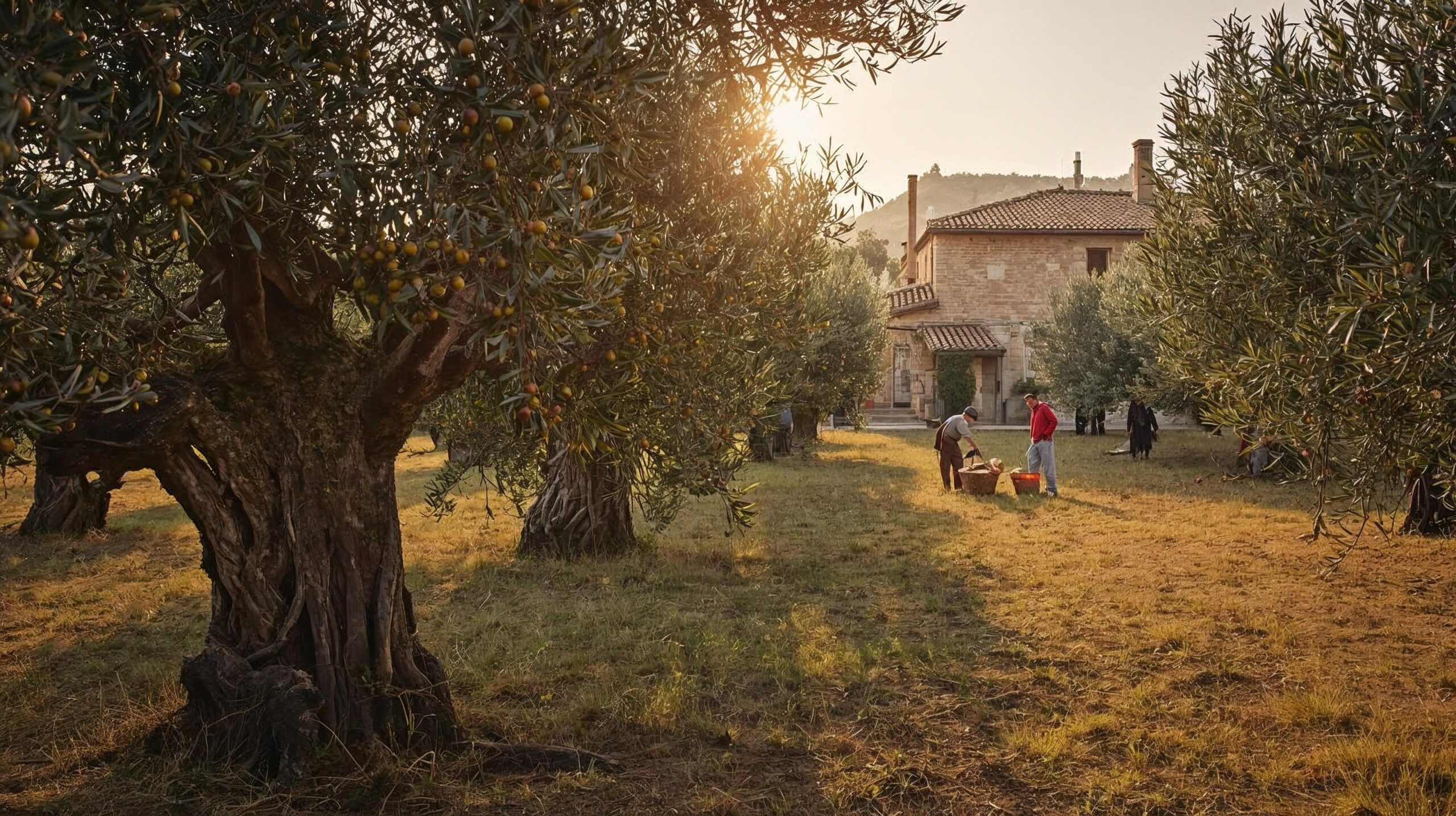
In Oaxaca, I met a ceramicist who now hosts month-long residencies for travelers wanting to learn traditional barro negro techniques. In Puglia, restored masserie — fortified farmhouses — invite guests to harvest olives at dawn and cook with nonnas by dusk. These aren’t excursions; they’re temporary lives.
The result? Travel shifts from performance to participation.
The Economics of Staying Put
There’s a practical side to the movement, too.
Remote work policies have loosened. Long-stay visas have expanded across Europe and Latin America. Monthly rental platforms offer discounts that rival urban leases. Ironically, staying longer often costs less per day than hopping between destinations frequently.
But the greater economy is emotional. When you linger, you notice. You learn the rhythm of the bakery’s opening hours. You recognize the florist’s dog. You start ordering coffee without looking at the menu.
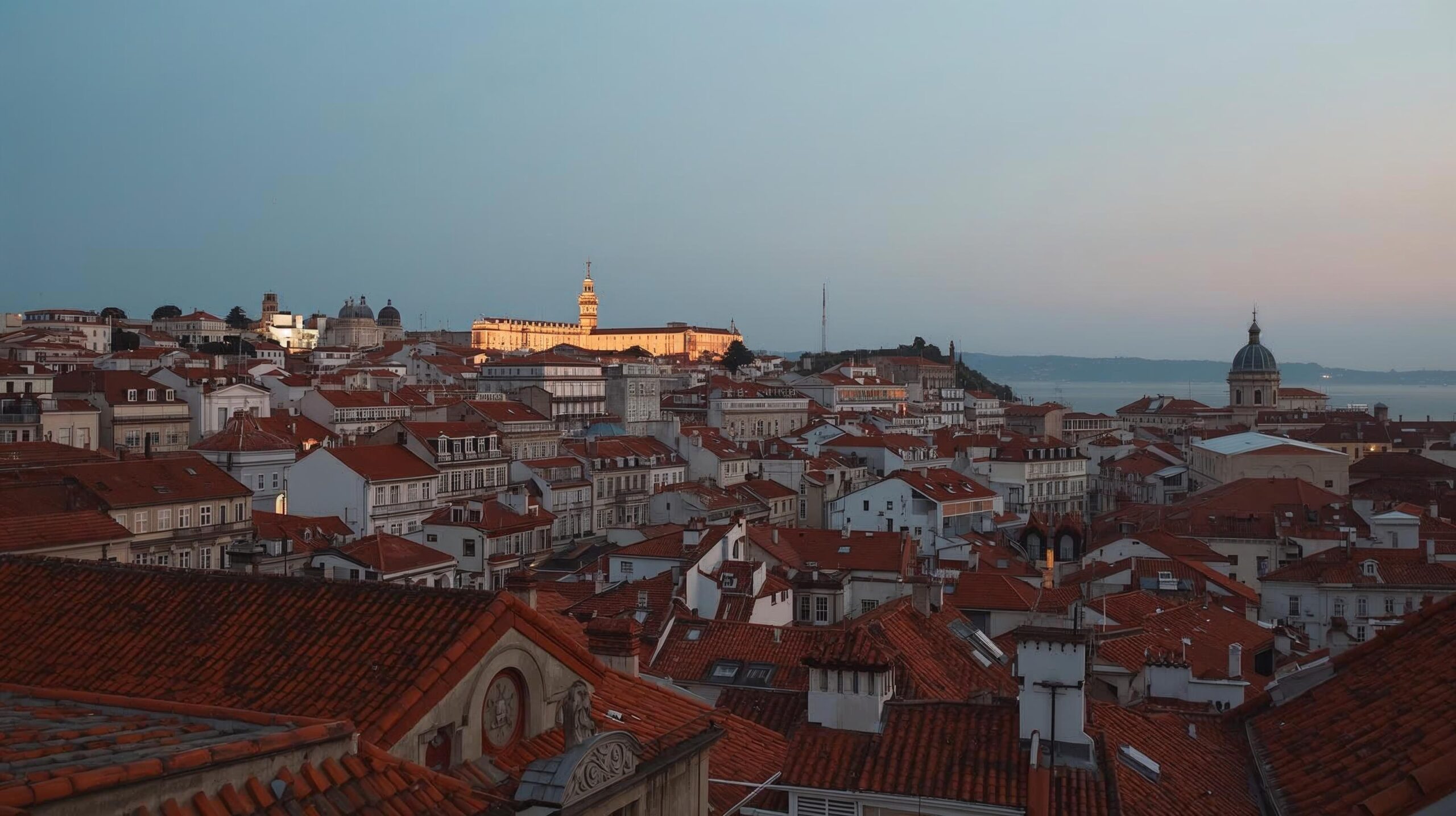
In Lisbon, I rented a small tiled apartment in Alfama for five weeks. By week two, the fishmonger greeted me with a nod of familiarity. By week four, he asked why Americans rush so much. I didn’t have a good answer.
The Art of the Unplanned Afternoon
Traditionally, itineraries fear empty space. Slow travel worships it.
An unplanned afternoon might lead you to a side street gallery opening. Or a three-hour lunch that dissolves into storytelling. Or simply a bench beneath a plane tree where nothing happens — except the world passing at human speed.
In Kyoto, I spent four mornings returning to the same teahouse near Nanzen-ji Temple. The first day, I was a customer. The fourth, I was entrusted with a story about the owner’s grandmother, who survived the war. That story does not appear in any guidebook.
This is the quiet dividend of time.
Why Now?
Several forces converge here:
- Burnout Culture: Travelers crave restoration rather than stimulation.
- Climate Awareness: Fewer flights, longer stays reduce travel footprint.
- Cultural Respect: Visitors want to engage responsibly rather than extract experiences.
- Digital Fatigue: Constant connectivity makes analog immersion seductive.
In many ways, slow travel is a corrective — an antidote to the acceleration of modern life.
A Slower Luxury
Luxury, too, is being redefined.
It’s no longer about thread counts or rooftop infinity pools — though those remain lovely. It’s about access to daily life. A cooking lesson in a family kitchen. A vineyard harvest alongside seasonal workers. A language exchange at a local café.
In Chiang Mai, boutique guesthouses now offer month-long cultural immersion programs instead of three-day tour packages. Guests leave not with souvenirs, but with recipes and phone numbers.
The new status symbol? Time.
The Gentle Challenges
Slow travel isn’t always poetic. There are awkward language missteps. Moments of loneliness. Administrative hurdles. The realization that living somewhere — even briefly — includes mundane errands and occasional boredom.
But perhaps that’s the point.
To travel slowly is to accept a place on its terms, not yours.
How to Begin Your Own Slow Journey
If you’re tempted to try:
- Choose one destination for your entire trip. Resist the urge to add “just one more city.”
- Rent a home in a residential neighborhood.
- Shop at local markets and cook at least twice a week.
- Commit to one recurring ritual — a morning café, a yoga class, a walking route.
- Leave entire days unscheduled.
You may discover that what initially feels like “doing less” is actually experiencing more.
The Memory That Lingers
I still remember the sound of church bells drifting across tiled rooftops in Lisbon at dusk. Not because it was dramatic — but because I heard it repeatedly, until it became part of my own internal clock.
That’s the promise of slow travel.
Not the thrill of arrival — but the comfort of return.
Not the photograph — but the familiarity.
Not miles collected — but moments absorbed.
In a world that insists on acceleration, choosing to move slowly may be the most luxurious journey of all.
FAQ: Slow Travel 2026
What is slow travel?
Slow travel is a mindful approach to exploring the world that prioritizes depth over distance. Instead of visiting multiple cities in a short period, travelers stay longer in one destination to immerse themselves in local culture, routines, and community life. The concept encourages meaningful connections — shopping at neighborhood markets, attending local workshops, learning traditions — rather than rushing through attractions. In 2026, slow travel has evolved beyond a niche philosophy into a mainstream movement, reflecting a growing desire for authenticity, sustainability, and emotional richness in travel experiences.
Is slow travel cheaper?
In many cases, yes. While luxury long stays certainly exist, slow travel can reduce overall trip costs. Fewer flights or train journeys lower transportation expenses, and monthly rental discounts often make extended stays more economical than nightly hotel bookings. Cooking at local markets instead of dining out for every meal also helps manage budgets. More importantly, slow travel shifts spending from constant transit to meaningful local experiences, often supporting small businesses and artisans directly.
How long should a slow trip last?
There is no fixed rule, but most slow travel experiences begin at two weeks and can extend to several months. The key is allowing enough time to settle into a rhythm — returning to the same café, recognizing neighbors, understanding the pace of daily life. Even a 10-day trip can feel slower if you remain in one place and avoid over-scheduling. The goal is not duration alone, but intention: creating space for spontaneity, reflection, and genuine connection.
Conclusion: The Luxury of Time
For decades, travel has been measured in miles, passport stamps, and carefully curated photo grids. But something is shifting.
In a hyper-connected world obsessed with speed, choosing to linger has become quietly radical. Slow travel invites us to trade urgency for understanding, movement for meaning. It reminds us that belonging — even temporarily — is more powerful than simply passing through.
The true souvenir of slow travel is not something you pack in a suitcase. It’s the memory of the baker who remembered your order. The afternoon that unfolded without an agenda. The subtle confidence that comes from navigating a place not as a visitor, but as a participant.
Perhaps the future of travel isn’t about seeing more.
Perhaps it’s about seeing deeper.
And in that depth, rediscovering not only the world, but ourselves.
Family Bimoseto