
Europe is a tapestry woven with history, culture, and breathtaking landscapes, drawing millions of travelers each year. While iconic cities like Paris, London, and Rome are on every traveler’s bucket list, there lies an extraordinary world of hidden travel destinations in Europe waiting to be discovered. These spots offer an escape from the usual tourist crowds and an opportunity to explore the continent in a fresh, exhilarating way. In this article, we will delve into some of these lesser-known gems, uncovering hidden cities, tranquil nature retreats, cultural experiences, and delicious culinary finds. If you’re seeking an adventure that will enrich your travel experience, read on to uncover the magic of Europe’s hidden travel destinations.
Key Takeaways
- Hidden travel destinations in Europe offer unique experiences away from the crowds.
- Exploring lesser-known cities can reveal amazing local culture and history.
- Nature retreats provide tranquility and scenic beauty often overlooked by mainstream tourism.
- Culinary experiences in hidden spots allow travelers to taste authentic local cuisine.
- Travel tips for visiting these destinations can enhance the overall experience and enjoyment.
Introduction to Hidden Travel Destinations in Europe
As travelers seek unique experiences away from the bustling tourist hotspots, hidden travel destinations in Europe have become an exciting topic of exploration. What are hidden travel destinations in Europe, you may ask? These are lesser-known gems that offer authentic cultural experiences, stunning landscapes, and a chance to connect with the locals on a deeper level. From quaint villages nestled in the mountains to coastal towns untouched by mass tourism, Europe is filled with enchanting locations that promise adventure and tranquility. In this article, we will uncover some of these hidden treasures, provide practical travel guidance, and inspire you to embark on a scenic journey through Europe’s off-the-beaten-path destinations.
Exploring Lesser-Known Cities
### Exploring Lesser-Known Cities: What Are Hidden Travel Destinations in Europe?
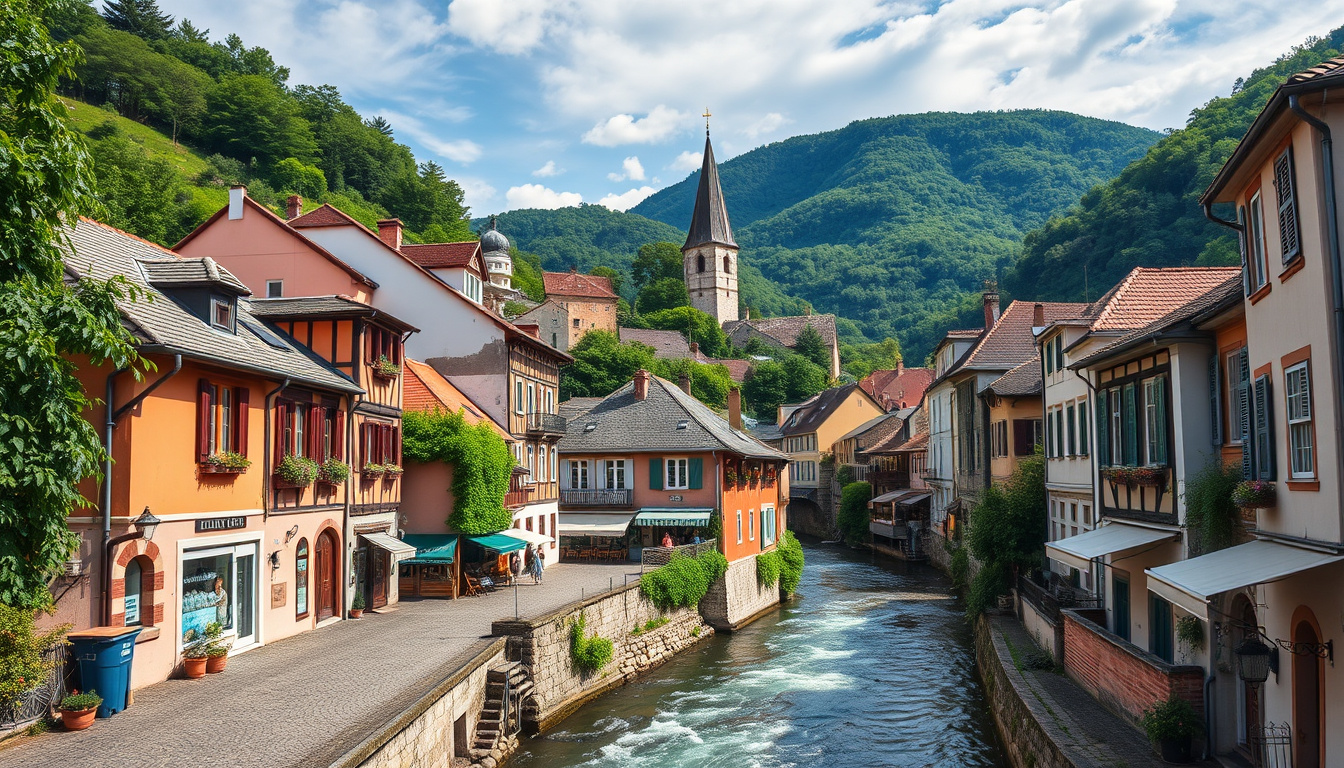
When we think of travel in Europe, it’s easy to picture the iconic landmarks: the Eiffel Tower in Paris, the Colosseum in Rome, or the canals of Venice. However, Europe is bursting with hidden gems that offer unique cultural experiences and breathtaking landscapes without the heavy tourist traffic. These lesser-known cities promise not only authenticity but also the chance to explore local traditions, culinary delights, and stunning scenery.
####
1. Matera, Italy
Nestled in the Basilicata region, Matera is famous for its ancient cave dwellings, known as Sassi. This UNESCO World Heritage site invites travelers to wander through cobblestone streets that speak to thousands of years of history. Highlights include the rock-hewn churches and the breathtaking views of the surrounding valley. Spending a night in a cave hotel is a unique way to immerse yourself in the locale.
####
2. Ghent, Belgium
Often overshadowed by its more popular neighbors, Ghent boasts a vibrant atmosphere with a perfect blend of history and modernity. The city’s medieval architecture, such as Gravensteen Castle and St. Bavo’s Cathedral, whets the appetite for culture, while the lively arts scene features festivals and galleries throughout the year. Don’t miss trying the local specialty, Waterzooi—a seafood stew that embodies the heart of Ghent.
####
3. Plovdiv, Bulgaria
As one of the oldest continuously inhabited cities in Europe, Plovdiv can charm visitors with both its ancient Roman theater and its vibrant street art scene. The Kapana district is a hub for creatives and food lovers, where visitors can indulge in local delicacies at quaint cafes. With its blend of history, art, and a burgeoning culinary scene, Plovdiv is a perfect destination for any curious traveler.
####
4. Porto, Portugal
While Lisbon is on the rise, Porto remains an enchanting yet often overlooked alternative. Known for its port wine, this coastal city offers stunning views along the Douro River and a rich cultural tapestry. Under the vibrant colors of the Ribeira District, visitors can also enjoy Fado music in traditional taverns. Be sure to visit Livraria Lello, one of the most beautiful bookstores in the world, famed for its ornate architecture and intricate wooden staircase.
####
5. Tbilisi, Georgia
Tbilisi, with its enchanting blend of Eastern and Western influences, should be on every travel itinerary. Explore the historic Old Town, filled with colorful traditional houses and winding alleys leading to stunning churches and fortresses. Georgia’s hospitality is renowned, and its cuisine—including Khinkali (dumplings) and Khachapuri (cheese bread)—is a true delight that guarantees a culinary journey like no other.
### Conclusion
Hidden travel destinations in Europe such as Matera, Ghent, Plovdiv, Porto, and Tbilisi offer incredible opportunities to experience the continent’s rich culture and history in a more intimate setting. Each of these cities invites visitors to step off the beaten path, discover local gems, and interact with residents who are often eager to share their stories. On your next European getaway, consider these lesser-known cities and indulge in a travel experience rich with authenticity and adventure.
‘Not all those who wander are lost.’ – J.R.R. Tolkien
Nature Retreats Off the Beaten Path
## Nature Retreats Off the Beaten Path
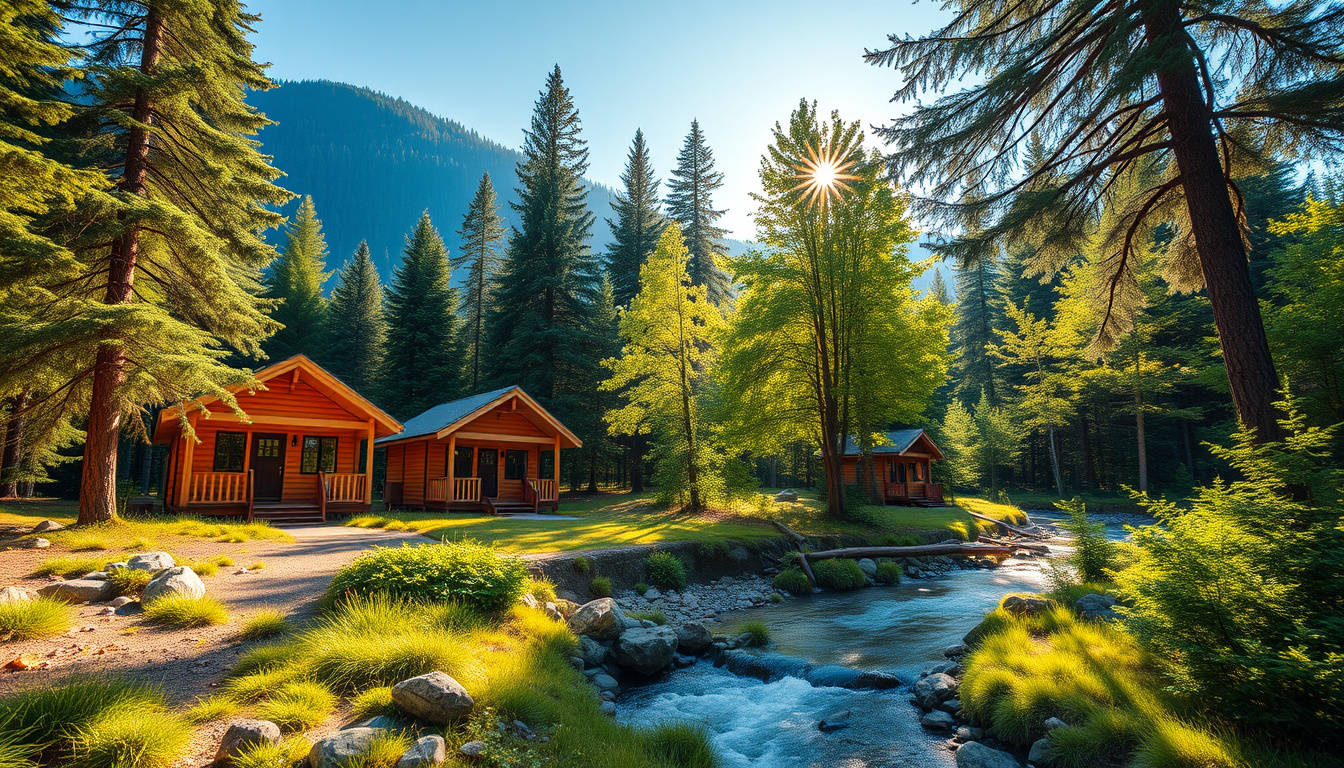
Europe is home to countless hidden travel destinations, offering enchanting landscapes and serene environments far from the bustling tourist crowds. For those who seek tranquility and natural beauty, these off-the-beaten-path retreats are an ideal choice. Here are some of the most remarkable hidden destinations that exemplify Europe’s diverse wilderness and cultural richness:
###
1. The Faroe Islands, Denmark
Nestled between Iceland and Norway, the Faroe Islands are an archipelago renowned for their dramatic cliffs, stunning waterfalls, and vibrant villages. Visitors can hike the rugged terrain, explore quaint towns like Torshavn, and witness remarkable birdlife in one of Europe’s hidden gems. The islands are perfect for wellness travel, offering a peaceful retreat to reconnect with nature.
###
2. Albarracín, Spain
This medieval town in the province of Teruel is often overlooked by travelers heading to more famous Spanish cities. Its rose-colored stone buildings and winding streets offer a glimpse into history, while the surrounding hills provide excellent hiking opportunities. Make sure to explore the ancient castle overlooking the town for stunning panoramic views.
###
3. Zagori, Greece
Nestled in the Pindus Mountains, Zagori is characterized by its picturesque villages, traditional stone architecture, and breathtaking gorges. The Vikos Gorge, one of the deepest in the world, invites adventure enthusiasts to hike, cycle, or simply enjoy the stunning scenery. Experience local Greek hospitality in family-run guesthouses and taste the region’s authentic cuisine.
###
4. Lake Bled, Slovenia
While Lake Bled is gaining popularity, it still retains a sense of intimacy and charm that many other destinations lack. With its emerald-green waters, tiny island with a church, and surrounding mountains, this lake is perfect for both relaxation and adventure. Rent a kayak to explore the lake or hike up to Bled Castle for a glimpse into the area’s rich history.
###
5. The Dolomites, Italy
For nature enthusiasts, the Dolomites offer some of Europe’s most stunning mountain scenery. An UNESCO World Heritage site, it features jagged peaks, lush valleys, and charming alpine villages. Whether you’re skiing in winter or hiking in summer, the dramatic landscapes and fresh mountain air create an exhilarating experience, perfect for wellness seekers.
###
6. Kotor, Montenegro
Tucked away in the bay area, Kotor is a fortified town that boasts well-preserved medieval architecture and breathtaking views from its surrounding mountains. As you wander through the cobbled streets, immerse yourself in local culture at the numerous cafes and artisan shops. The nearby UNESCO-listed Bay of Kotor is perfect for boat trips and further exploration of natural wonders.
###
7. Sibiu, Romania
This lesser-known city in Transylvania combines history, culture, and stunning landscapes. With its beautiful squares, colorful houses, and impressive medieval structures, Sibiu is an inviting spot for a getaway. Explore the nearby Apuseni Mountains or the Transfagarasan Highway, one of the most scenic drives in the world.
### Tips for Exploring Hidden Travel Destinations in Europe
• Visit During Off-Peak Seasons: Traveling in the spring or fall can help you avoid crowds and enjoy a more authentic experience.
• Engage with Locals: Talk to residents to discover unmarked trails, local restaurants, and attractions that aren’t in guidebooks.
• Stay in Unique Accommodations: Choose guesthouses or eco-friendly lodges to truly immerse yourself in the local culture.
• Try Local Cuisine: Don’t miss out on local specialties, which provide insight into the area’s history and environment.
Hidden travel destinations in Europe are not just about escaping the tourist traps; they offer a chance to connect with nature and local culture in significant ways. By exploring these serene retreats, you will find that Europe’s allure goes far beyond its well-known landmarks.
Cultural Gems: Uncovering Unique Experiences
## Cultural Gems: Uncovering Unique Experiences
When searching for hidden travel destinations in Europe, one often uncovers a tapestry of rich cultures, ancient traditions, and breathtaking landscapes away from the hustle and bustle of mainstream tourist spots. Europe is filled with charming towns, idyllic villages, and lesser-known cities brimming with unique experiences that resonate deeply with travelers seeking authenticity.
###
1. Discovering Hidden Gems
While cities like Paris and Rome attract millions, consider exploring lesser-known destinations like:
• Albarracín, Spain: This medieval village captures the essence of old-world charm with its pink-hued walls and winding streets. Nestled in the hills, Albarracín offers breathtaking views and a peek into Spain’s rich history.
• Ohrid, North Macedonia: Often overshadowed by its more prominent neighbors, Ohrid sits by the stunning Lake Ohrid, known for its crystal-clear waters and the intricate architecture of ancient churches. The area is a UNESCO World Heritage site, perfect for those interested in both nature and history.
• Piran, Slovenia: This coastal gem along the Adriatic Sea features Venetian-style architecture, fresh seafood, and serene beaches, making it a perfect getaway for those seeking relaxation and cultural immersion.
###
2. Embracing Local Cultures
Traveling to hidden destinations isn’t just about the scenery; it’s also about engaging with local cultures. Some ways to immerse yourself include:
• Partaking in Traditional Festivals: Many small towns host annual festivals that celebrate local traditions, whether it’s the Truffle Festival in the rural regions of Italy or the colorful Carnival in the small towns of Slovenia.
• Participating in Craft Workshops: Learn about local crafts and artisan skills; for instance, engage in pottery making in Ängelholm, Sweden, or textile weaving in the Basque country of Spain.
• Staying with Locals: Consider using platforms like Airbnb or homestays, which provide opportunities to stay with families and truly understand the lifestyle and etiquette of the region.
###
3. A Journey of Wellness
Hidden travel destinations in Europe also present an opportunity for wellness travelers to unwind. Seek out destinations offering wellness retreats where you can enjoy yoga, meditation, and spa treatments. For example:
• Ronda, Spain: This breathtaking town offers rejuvenating retreats that overlook the stunning cliffs and waterfalls. Indulge in wellness programs featuring local nutrition and holistic practices.
• Sibiu, Romania: Nestled in the Transylvanian region, Sibiu is surrounded by the Carpathian Mountains, providing a peaceful atmosphere for hiking, spa therapies, and mindfulness activities.
### Conclusion
Hidden travel destinations in Europe are not just off-the-beaten-path locations; they are immersive experiences that engage the senses and enrich the soul. By exploring these cultural gems, travelers not only enjoy beautiful surroundings but also gain insight into the local way of life. Remember to remain respectful of local customs, embrace the diversity of cultures, and keep an open mind. As you embark on your journey to uncover these unique experiences, dive deeper into the facets of Europe that often go unnoticed. Your next European adventure awaits, filled with stories and connections that only hidden gems can offer.

Culinary Discoveries in Hidden Spots
### Culinary Discoveries in Hidden Spots
When contemplating travel in Europe, many wanderers often follow well-trodden paths to iconic landmarks like the Eiffel Tower or the Colosseum. However, the true essence of European culture often lies in its hidden travel destinations. These secret gems are not only less crowded but also teem with unique culinary experiences that allow you to savor authentic flavors and discover local traditions.
Travelers seeking off-the-beaten-path adventures will find remarkable destinations across the continent, from the quaint villages of Italy to the lush landscapes of Portugal. Here are some of the best-hidden travel destinations in Europe where culinary discoveries await:
1. Albarracín, Spain
This medieval village provides a picturesque backdrop for authentic Spanish tapas. Wander through winding alleys and enjoy local specialties like roasted lamb and handmade pastries.
2. Gjirokastër, Albania
Recognized as a UNESCO World Heritage Site, Gjirokastër boasts centuries-old stone architecture. Delight in traditional Albanian dishes, such as tavë kosi (baked lamb with yogurt) served in local family-run eateries.
3. Piran, Slovenia
Nestled along the Adriatic coastline, Piran is famed for its seafood. Experience the ‘fritaja’ (Slovenian seafood stew) while overlooking the stunning sunset on the Mediterranean Sea.
4. Matera, Italy
Known for its unique cave dwellings, Matera also offers unique local cuisines. Taste the famed ‘pane di Matera’ bread, which is a vital component of traditional recipes served in rustic trattorias.
5. Visby, Sweden
This historical town on Gotland Island offers a chance to taste locally sourced ingredients, particularly fish and game. Engage in a culinary walking tour to savor seasonal Swedish dishes inspired by ancient recipes.
### Tips for Culinary Adventures in Hidden European Destinations
• Research Local Markets: Before you go, explore local markets to discover fresh produce and regional delicacies that reflect the true essence of your chosen destination.
• Seek Out Local Eateries: Avoid chain restaurants that often populate major cities. Instead, find small, family-owned businesses that dish out authentic local cuisine, usually at a fraction of the price.
• Engage with Locals: Don’t hesitate to ask locals for recommendations on what to eat and where to find the best meals. They often know hidden spots that aren’t in tourist guides.
• Take Cooking Classes: Many hidden gems offer cooking classes where you can learn to prepare local dishes. This not only enriches your culinary knowledge but also connects you more deeply with the culture.
Exploring hidden travel destinations in Europe not only allows you to escape the typical tourist hustle but also provides enriching culinary experiences that tell the story of their regions. So, pack your bags, and get ready to embark on a culinary adventure that awakens all your senses!
Travel Tips for Visiting Hidden Destinations
## Travel Tips for Visiting Hidden Destinations
When it comes to exploring Europe, many travelers seek the iconic landmarks and bustling cities that are often featured in travel brochures. However, if you are looking to delve deeper into the continent’s rich tapestry of culture and scenic beauty, hidden travel destinations in Europe should be at the top of your list. These lesser-known gems offer serene landscapes, authentic cultural experiences, and a welcomed escape from the crowd. This guide will take you through some of the top hidden destinations in Europe and provide valuable travel tips to enhance your journey.
### What Are Hidden Travel Destinations in Europe?
Hidden travel destinations in Europe can be described as lesser-explored cities, towns, or regions that are not typically on the mainstream tourist map. Here’s a list of captivating hidden gems across Europe:
• Albarracín, Spain
Nestled in the hills of Aragon, Albarracín is famous for its medieval architecture and enchanting narrow streets. Its pink-hued buildings stand as a testament to its rich history.
• Gjirokastër, Albania
A UNESCO World Heritage Site, Gjirokastër boasts Ottoman-era architecture and stunning views of the Drino Valley. Its castle, which towers above the city, is a must-visit.
• Ronda, Spain
With its dramatic cliffs and striking Puente Nuevo bridge, Ronda offers breathtaking views and a relaxed atmosphere. It’s perfect for those looking to escape the hustle and bustle.
• Sibiu, Romania
This medieval city is a cultural hub with charming squares, vibrant buildings, and a rich Saxon heritage. Don’t miss its annual international theatre fest, a hidden delight!
• Visby, Sweden
Located on Gotland island, the medieval town of Visby is surrounded by ancient walls and is famous for its well-preserved ruins and stunning beaches.
### Tips for Visiting Hidden Destinations
1. Research Off-Peak Travel Times: Consider visiting hidden gems during the shoulder season (spring or autumn) to enjoy a more tranquil experience and avoid crowds.
2. Engage with Locals: Take the time to interact with residents. They can offer insights and recommendations that guidebooks often overlook.
3. Explore on Foot or by Bike: Many hidden destinations are best explored on foot or by bicycle. This allows you to savor the scenery and discover charming shops or cafés tucked away from main roads.
4. Try Local Cuisine: Always indulge in the local food—whether it’s a family-run trattoria in Gjirokastër or a pastry shop in Albarracín, culinary experiences greatly enhance your travel.
5. Use Public Transport: In many European countries, public transport is efficient and can take you to less-visited areas that may not be easily accessible by car.
6. Stay in Unique Accommodations: Opt for local guesthouses, heritage hotels, or boutique inns to get a true taste of the culture and ambiance in these destinations.
### Conclusion
Exploring hidden travel destinations in Europe can unlock an authentic travel experience, rich with local culture and breathtaking beauty. By venturing off the beaten path, you will not only discover new places but also unforgettable experiences that mainstream travelers often miss. From the medieval charm of Albarracín to the scenic beauty of Visby, each hidden gem has its story waiting to be uncovered. So pack your bags, embrace the unknown, and let Europe surprise you with its treasures.
Frequently Asked Questions
What qualifies as a hidden travel destination in Europe?
Hidden travel destinations in Europe are lesser-known locations that offer unique experiences away from the mainstream tourist attractions. These could be small towns, secluded nature spots, or cultural gems that may not be on the typical travel itinerary.
Can you suggest a few hidden cities to explore in Europe?
Absolutely! Some hidden cities to explore include Ghent in Belgium, Bled in Slovenia, and Gjirokastër in Albania. Each offers a distinct cultural experience and picturesque surroundings.
What are some nature retreats I can visit in Europe?
For nature retreats, consider the Julian Alps in Slovenia, the Faroe Islands, or the Romanian Carpathians. These areas offer stunning landscapes and opportunities for outdoor activities without the crowds.
How can I discover culinary delights in hidden travel destinations?
Look for family-owned restaurants, local markets, and regional food festivals in off-the-beaten-path places. Engaging with locals can also lead you to authentic culinary experiences.
What travel tips should I keep in mind when visiting hidden destinations?
When visiting hidden destinations, research local customs, travel off-peak seasons to avoid crowds, learn a few basic phrases in the local language, and be respectful of the community and environment.