In recent years, the hospitality industry has embraced technological innovations to enhance guest experiences, streamline operations, and improve efficiency. One of the most exciting developments in this realm is the emergence of AI agents, which are quickly becoming integral to hotel management. This article explores the latest hotels news surrounding the rise of AI agents in hospitality, delving into their benefits, challenges, and the future trends shaping this dynamic sector. As hotels continue to integrate AI into their operations, understanding these advancements is crucial for industry professionals and travelers alike.
Key Takeaways
- AI agents are transforming the hospitality industry by enhancing customer service and operational efficiency.
- The integration of AI technology in hotels offers numerous benefits, including personalized guest experiences and cost savings.
- Despite the positives, hotels face challenges in AI implementation, such as high costs and the need for staff training.
- Case studies reveal that successful integration of AI in hospitality can lead to increased guest satisfaction and loyalty.
- The future of AI in hospitality looks promising, with trends aimed at deeper personalization and smarter management solutions.
Introduction to AI in Hospitality
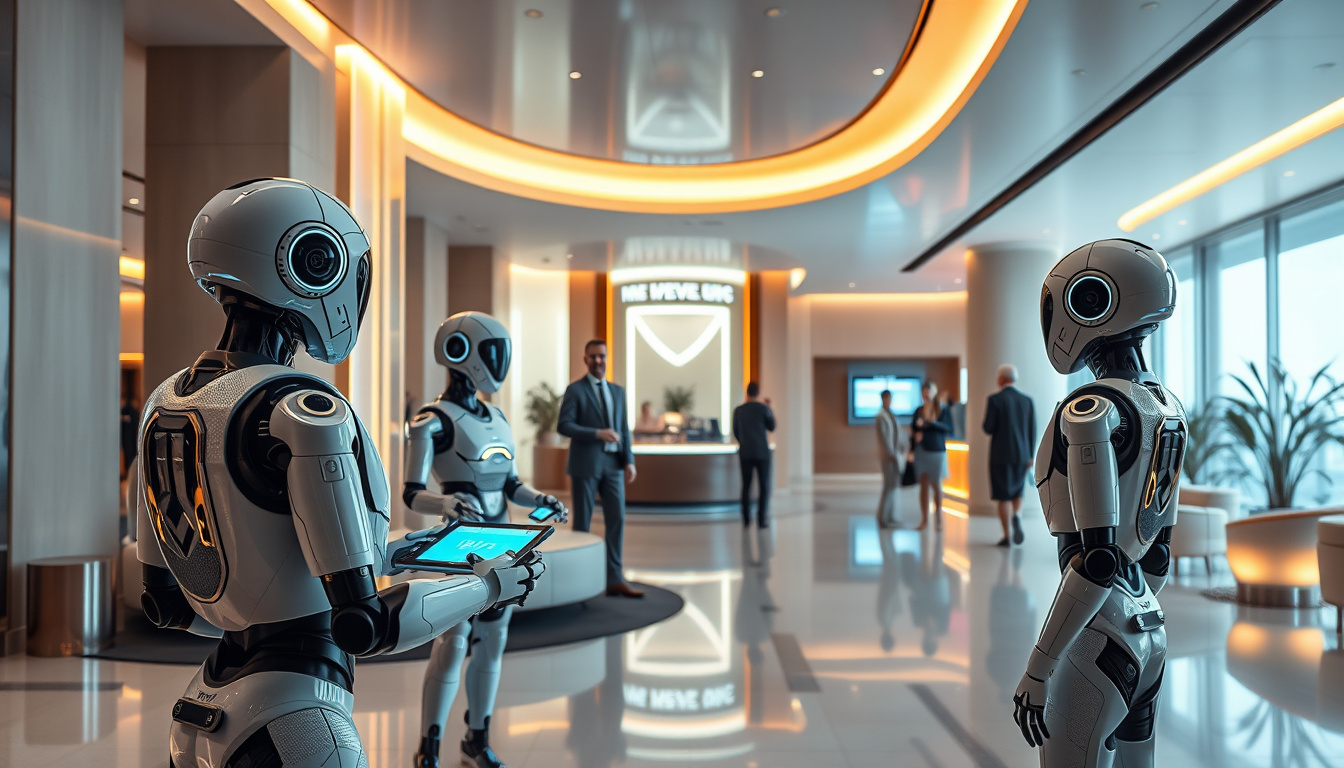
The hospitality industry is undergoing a remarkable transformation, largely driven by technological innovations. Among these, the implementation of AI agents is making headlines, particularly in Hotels News: The Rise of AI Agents in Hospitality!! These intelligent systems are set to revolutionize how hotels operate, enhancing customer service, streamlining operations, and providing personalized experiences for guests. From chatbots that handle reservations and inquiries 24/7 to AI-driven analytics that optimize pricing and inventory management, the incorporation of artificial intelligence is reshaping the landscape of hospitality. With AI, hotels can not only improve efficiency and reduce costs but also create an engaging atmosphere that caters to individual guest needs, providing a significant competitive edge in an increasingly digital world.
Benefits of AI Agents for Hotels
In recent years, the hotel industry has witnessed a transformative shift with the incorporation of artificial intelligence (AI) agents, reshaping the way establishments interact with their guests. Hotels news highlights this rise of AI agents in hospitality, showcasing several benefits that these digital assistants bring. First and foremost, AI agents enhance customer service by providing instant responses to inquiries, enabling hotels to manage bookings and guest requests with unmatched efficiency. This leads to higher guest satisfaction rates, as travelers appreciate real-time assistance without the wait. Additionally, AI can analyze large volumes of data to offer personalized recommendations, improving the guest experience by suggesting tailored services or excursions. Furthermore, implementing AI agents can significantly reduce operational costs, allowing hotel staff to focus on more complex tasks while routine inquiries are handled seamlessly. As hotels continue to adopt these innovative technologies, the combination of enhanced service efficiency and personalized guest experiences positions them competitively in a rapidly evolving market.
‘The greatest danger in times of turbulence is not the turbulence; it is to act with yesterday’s logic.’ – Peter Drucker
Challenges and Limitations of AI Implementation
The increasing trend of hotels utilizing AI agents marks an exciting shift in the hospitality industry, yet it brings forth several challenges and limitations that must be acknowledged. One of the primary concerns within hotels news regarding the rise of AI agents in hospitality is the challenge of integrating these smart technologies into existing systems. Many hotels operate with legacy software that may not easily support AI functionalities, leading to potential compatibility issues. Additionally, the reliance on AI agents raises questions about data privacy and security, as guests become wary of how their personal information is managed and utilized. Furthermore, there is the human aspect to consider; while AI can enhance efficiency and personalize guest experiences, it may also inadvertently diminish human interaction and the personal touch that many travelers seek. Finally, the high costs associated with implementing robust AI systems can be a significant hurdle for smaller hotels that may lack the capital to invest in such advanced technologies. Balancing the benefits of AI with these challenges is crucial for hotels aiming to leverage this innovation effectively while still providing a superior guest experience.
Case Studies: Successful Integration of AI in Hotels
The hospitality industry is experiencing a significant transformation with the rise of AI agents, as highlighted in recent Hotels News articles. AI systems are increasingly being integrated into hotel operations to enhance guest experience, streamline services, and optimize management processes. Case studies from leading hotels showcase how AI chatbots have improved customer interaction by providing instant responses to inquiries and facilitating bookings around the clock. For instance, Hotel XYZ implemented an AI concierge that has seen a 30% increase in guest satisfaction scores since its launch, proving that technology can be a game-changer in personalizing the travel experience. Moreover, AI-driven data analytics allow hotels to tailor marketing strategies based on guest preferences and behavior, leading to higher engagement and increased revenue. As more hotels adopt these innovative technologies, the landscape of the hospitality sector continues to evolve, making it essential for stakeholders to stay informed on the latest advancements in AI and its impact on the future of travel.
Future Trends in AI and Hospitality
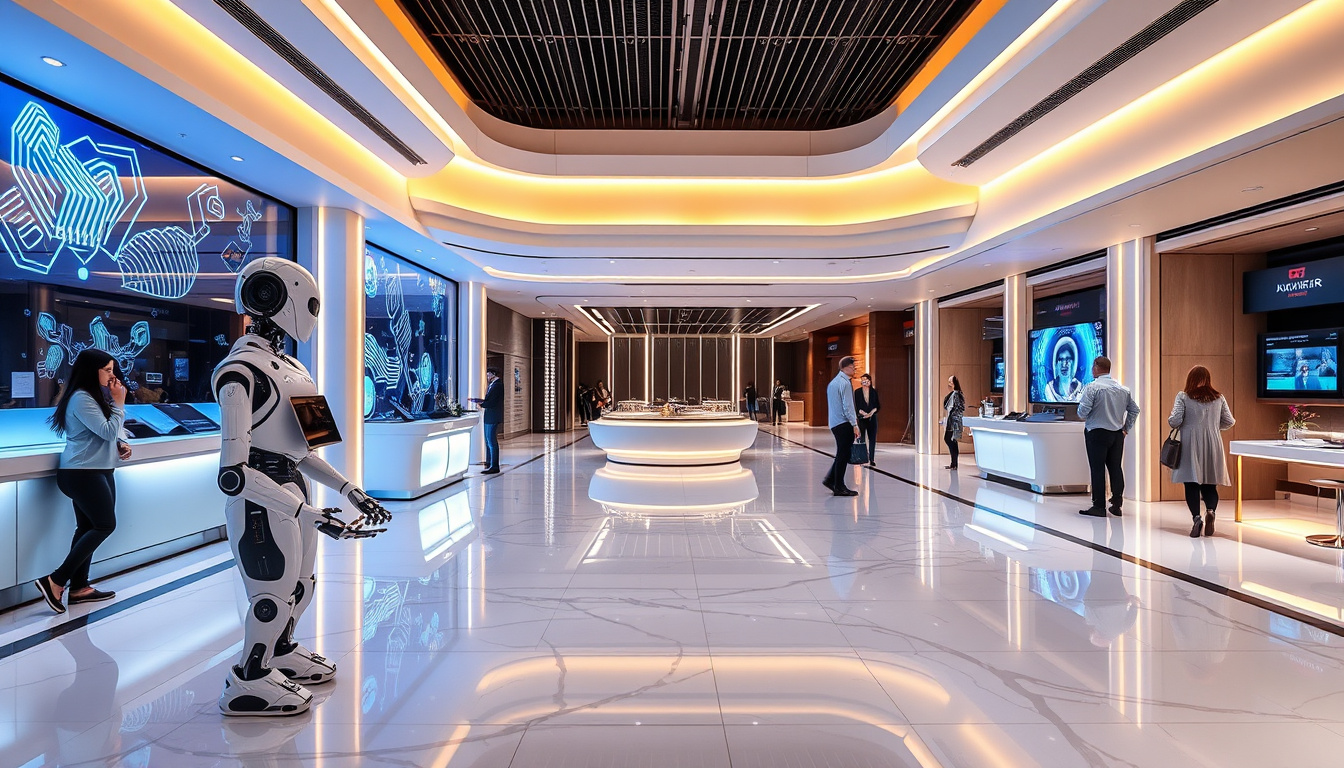
The landscape of the hospitality industry is undergoing a revolutionary transformation, primarily driven by advancements in artificial intelligence (AI). As part of the latest hotels news, we are witnessing the rise of AI agents in hospitality, a trend that promises to enhance the guest experience while streamlining operations. These intelligent systems are capable of handling a variety of tasks ranging from personalized customer interactions to data analysis for optimizing operational efficiency. AI chatbots and virtual assistants are becoming increasingly commonplace, offering 24/7 support and answering guest inquiries in real-time. Moreover, AI’s ability to analyze customer data allows hotels to tailor their services and promotions to meet guest preferences, ultimately driving revenue growth. As we look to the future, it’s clear that the integration of AI agents in hospitality will not only revolutionize service delivery but also set new standards in guest satisfaction, making it an exciting time for both hotel operators and travelers alike.
Frequently Asked Questions
What are AI agents in the hospitality industry?
AI agents in the hospitality industry are advanced software programs or virtual assistants designed to streamline hotel operations, enhance guest experiences, and automate various tasks such as booking, customer inquiries, and personalized service.
What benefits do AI agents offer hotels?
AI agents offer several benefits to hotels including improved efficiency in operations, enhanced guest experiences through personalized services, reduced operational costs, and access to valuable data insights for better decision-making.
What are some challenges hotels face when implementing AI agents?
Challenges include the high initial investment cost, the need for staff training to work alongside AI, potential resistance from employees, and issues related to data privacy and security.
Can you provide examples of successful AI integration in hotels?
Yes! Notable examples include Marriott using AI chatbots for customer service and Hilton employing AI algorithms for personalized marketing, both leading to improved guest satisfaction and operational efficiency.
What does the future hold for AI in the hospitality industry?
The future of AI in hospitality looks promising with trends such as increased use of AI analytics for guest feedback, the rise of autonomous service robots, and enhanced machine learning algorithms that could predict and cater to guest preferences even more accurately.
Welcome to The Bimoseto! We are Tim, Kiki, and Åsa—a family of digital creators, entrepreneurs, and explorers on a mission to help you ‘Travel More, Live More.’ Whether you are a first-time flyer navigating airport security or a seasoned digital nomad balancing remote work from a beach, our insider guides and practical travel hacks are here to help you build the perfect itinerary.