
In our fast-paced world, the concept of slow travel is emerging as a refreshing antidote to the hurried approach that often dominates contemporary tourism. But how does slow travel improve lifestyle balance? This journey towards a more meaningful travel experience encourages us to embrace the beauty and intricacies of our destinations without the stress of ticking off endless items from a to-do list. By diving deeper into the essence of places, immersing ourselves in local cultures, and prioritizing personal wellness, slow travel fosters a harmonious relationship between our wanderlust and our everyday lives.
In this article, we will explore the fundamental principles of slow travel, detail its myriad benefits on both mental and physical health, and illustrate how it can strengthen our relationships with ourselves and others. We’ll also delve into practical tips on how to incorporate slow travel into your lifestyle thoughtfully, all while being mindful of sustainable practices. Join us as we embark on this enlightening journey of discovery.

Key Takeaways
- Slow travel encourages taking the time to savor experiences rather than rushing through them.
- Engaging in slow travel can significantly boost mental health by reducing stress and promoting mindfulness.
- This travel style promotes physical well-being through walking, biking, and enjoying nature’s beauty.
- Slow travel fosters deeper connections with people and cultures, enhancing relationships and shared experiences.
- Incorporating sustainable practices into slow travel helps protect the environment while enriching the travel experience.
Understanding Slow Travel: Definition and Principles
Slow travel is a concept that encourages travelers to immerse themselves fully in their surroundings while savoring the journey rather than rushing through it. This approach fosters deeper connections with people, places, and cultures, rather than the typical tourist experience of ticking off a checklist of attractions.
Key Principles of Slow Travel
- Mindfulness: Engage in the moment by embracing local customs, foods, and landscapes. This enhances the experience and adds meaning to your travels.
- Staying Longer: Instead of hopping from city to city, slow travel encourages longer stays in each location. This allows for a more profound understanding of the destination.
- Local Experience: Seeking out authentic local experiences—like community events, workshops, or culinary classes—enhances your connection to the place and its people.
- Sustainable Choices: Opt for eco-friendly transport, accommodation, and activities that minimize your carbon footprint. This ensures that your travel leaves a positive impact on the destination.
- Exploring Off the Beaten Path: Prioritize lesser-known locations and experiences. This often leads to serendipitous discoveries and more enriching interactions.
By adopting these principles, slow travel not only enhances personal well-being but also promotes a balanced lifestyle that celebrates harmony between exploration and reflection, answering the question: How does slow travel improve lifestyle balance?
Enhancing Lifestyle Balance Through Slow Travel
Slow travel significantly contributes to an improved lifestyle balance in several ways:
- Reduced Stress: Taking the time to savor experiences slows the frantic pace often associated with travel, lowering stress levels.
- Mindfulness: The principles of slow travel encourage mindfulness, allowing you to appreciate the beauty of each moment without distractions.
- Deeper Connections: Engaging meaningfully with local residents fosters a sense of community and belonging, enhancing emotional well-being.
- Health Benefits: Exploring by foot or by bike not only helps you discover hidden gems but also promotes physical well-being.
- Sustainable Living: By prioritizing local economies and minimizing environmental impact, you align your travel choices with a sustainable lifestyle, contributing positively to the places you visit.
The Benefits of Slow Travel on Mental Health
Slow travel is an approach that emphasizes taking the time to truly experience a destination, rather than racing through a checklist of attractions. In today’s fast-paced world, many travelers are seeking ways to disconnect from their busy lives and foster a deeper connection to their environments and themselves. So, how does slow travel improve lifestyle balance? Let’s explore the transformative benefits it offers for mental health and overall well-being.
Decreased Stress Levels
One of the primary advantages of slow travel is the significant reduction in stress levels. When travelers prioritize depth over speed, they tend to feel less rushed and overwhelmed. This method allows for moments of mindfulness, giving individuals space to enjoy their surroundings. To illustrate, taking the time to stroll through a quaint Italian village, soaking in the sights and sounds, promotes relaxation. A leisurely walk can turn a typical tourist experience into a meaningful encounter with local culture and history.
Enhanced Connections with Local Cultures
Engaging with local communities, instead of skimming the surface of tourist attractions, leads to more meaningful experiences. Being present in a place allows travelers to share meals with locals, join community events, or attend traditional festivals. For instance, spending a week in Kyoto, Japan, immersing oneself in tea ceremonies and local arts cultivates a deeper appreciation for Japanese culture and fosters a sense of belonging.
Improved Self-Awareness
As travelers slow down, they create space for reflection. This introspection can lead to improved self-awareness. Slow travel encourages individuals to disconnect from their daily routines, facilitating personal growth and exploration of their interests and values. Consider dedicating a few days to journaling or spending time in nature — perhaps while hiking through the lush landscapes of New Zealand’s national parks. Such moments can ignite creativity and enhance mental clarity.
Increased Physical Well-being
Slow travel promotes an active lifestyle, often involving walking, hiking, and other activities at a relaxed pace. This physical activity has proven benefits for mental health, as exercise releases endorphins that naturally elevate mood. For example, biking along the scenic coast of Portugal’s Algarve region not only showcases breathtaking views but also encourages cardiovascular health.
Building Lasting Memories
Fast-paced tourism often leaves travelers with fleeting memories. In contrast, slow travel supports the creation of lasting memories and stories. By savoring experiences, even mundane moments become precious. Spending afternoons sipping coffee at a café in Paris and striking up conversations with fellow patrons allows for deeper engagement with those experiences.
Conclusion: Embracing Slow Travel for a Balanced Life
In summary, the question of how slow travel improves lifestyle balance can be answered through its numerous mental health benefits. By reducing stress, enhancing cultural connections, improving self-awareness, supporting physical well-being, and creating lasting memories, slow travel offers a holistic approach to rejuvenating the spirit. As the world continues to speed up, embracing the art of slow travel can offer a refuge, allowing individuals to maintain a balanced, enriched lifestyle. So take that step; plan your next journey focusing on quality experiences over quantity, and uncover the profound impact of slow travel on your mental health.
‘We travel not to escape life, but for life not to escape us.’ – Anonymous

How Slow Travel Enhances Physical Well-being
In our fast-paced world, the concept of slow travel stands out as a remedy for the overwhelming hustle and bustle of everyday life. But how does slow travel improve lifestyle balance? The answer lies in its unique approach that prioritizes quality over quantity, allowing travelers to connect deeply with destinations and experiences while simultaneously improving their physical well-being.
Emphasis on Mindful Exploration
Slow travel encourages mindfulness, fostering a deeper awareness of one’s surroundings and a more meaningful engagement with local cultures. This mindfulness often translates into healthier lifestyle choices, including:
- Increased Physical Activity: Instead of rushing from one tourist attraction to the next, slow travelers often opt to walk or cycle, enabling them to stay active and maintain their fitness.
- Stress Reduction: By taking the time to absorb experiences, travelers enjoy a more relaxed pace, leading to lower stress levels. This quiet downtime provides opportunities for meditation, yoga, or simply spending time in nature—all of which will enhance physical health.
Integrating Wellness Activities
Many slow travel itineraries incorporate wellness practices that rejuvenate both body and mind. Consider destinations like Costa Rica, known for its lush rainforests and wellness retreats, where visitors can engage in activities such as:
- Yoga Retreats: Participating in yoga sessions amidst serene landscapes can boost mental clarity and improve physical flexibility.
- Organic Farming Experiences: Learn to cultivate local produce through farm stays that foster a connection to food and sustainability, further contributing to a balanced lifestyle.
Eating for Health
Slow travelers also tend to favor local, organic, and seasonal foods, which not only align with sustainable travel practices but also lead to healthier eating habits. For instance, while in Italy, travelers might partake in cooking classes focused on fresh, local ingredients, thus making informed dietary choices that enhance well-being.
Building Community Connections
One of the key principles of slow travel is the opportunity to forge meaningful connections, which has profound physical and psychological benefits. Engaging with locals fosters a sense of belonging and community, enhancing emotional health, which is intrinsically linked to physical well-being.
Conclusion
In summary, slow travel positively impacts physical well-being by promoting mindful exploration, integrating wellness activities, facilitating healthy eating habits, and fostering community connections. Embracing this approach not only enhances one’s travel experience but also nurtures a lifestyle balance that can lead to greater overall fulfillment. So, the next time you plan a journey, consider the benefits of slow travel and how it can profoundly impact your physical and emotional health.
Creating Connections: Slow Travel and Relationships
In today’s fast-paced world, the concept of slow travel is gaining traction as an effective means to improve lifestyle balance. It encourages travelers to immerse themselves in their destinations, spending quality time with locals and engaging in meaningful experiences rather than racing through a checklist of tourist attractions. By fostering deeper connections with the places we visit, slow travel not only enriches our experiences but also nurtures our relationships with others.
Understanding Slow Travel
Slow travel advocates for a leisurely approach to exploring new cultures and environments. Unlike traditional travel, which often involves rushing from one location to another, slow travel encourages you to take your time, savor experiences, and cultivate relationships. Here are several key principles:
- Duration: Spend more time in one location to allow for a deeper understanding of the culture and community.
- Engagement: Participate actively in local customs, food, and activities.
- Sustainability: Choose eco-friendly modes of transportation and support local businesses.
How Slow Travel Improves Lifestyle Balance
1. Enhanced Mental Well-being
By delving deeper into a culture and connecting with its people, slow travel provides opportunities for reflection and mindfulness. This slower pace allows you to disconnect from the hustle of daily life, reducing stress and fostering mental clarity.
2. Strengthened Relationships
Traveling slowly offers ample opportunities to meet locals and fellow travelers, building friendships based on shared experiences. In places like Tuscany, Italy, where you might share a communal meal with a family, such connections often lead to authentic interactions that can last a lifetime.
3. Time for Personal Growth
Slow travel grants travelers the space to foster personal growth. This can manifest through new hobbies, language skills, or cultural appreciation. For example, learning to cook traditional dishes in a Thai cooking class can lead to a new passion for the culinary arts upon returning home, enhancing your lifestyle and enriching it.
4. Greater Appreciation for Moments
By taking the time to explore less-traveled paths, you develop a deeper appreciation for the little things—whether it’s a beautiful sunset over the beaches of Bali or a quiet morning in the gardens of Kyoto. These moments promote gratitude and mindfulness, improving overall lifestyle balance.
Tips for Engaging in Slow Travel
Adopting a slow travel mindset can significantly enhance your ongoing journey. Here are some practical tips to help you embrace this enriching travel style:
- Choose Local Accommodations: Opt for homestays, boutique hotels, or eco-resorts that reflect local culture rather than chain hotels.
- Stay Longer in Fewer Places: Instead of trying to see multiple cities in a week, choose a few key destinations and immerse yourself in each.
- Participate in Community Events: Attend local festivals, workshops, or markets to engage with the community. In countries like India, participating in the Holi festival allows you to interact with locals in a vibrant, joyful setting.
- Prioritize Relationships Over Schedules: Allow spontaneity in your journey, making room for unplanned encounters with locals or fellow travelers.
Conclusion
Slow travel is not merely a trend; it is a powerful lifestyle approach that fosters relationships and enhances overall well-being. By immersing ourselves in the communities we visit, we can improve our lifestyle balance and develop a deeper connection to the world around us. Whether it’s through a leisurely bike ride in Amsterdam or a ceremonial visit to a tea house in Japan, the transformative power of slow travel lies in its ability to connect us with people, places, and ourselves. Embark on your own slow travel journey, and discover how it can renew not just your outlook on travel, but your entire lifestyle.
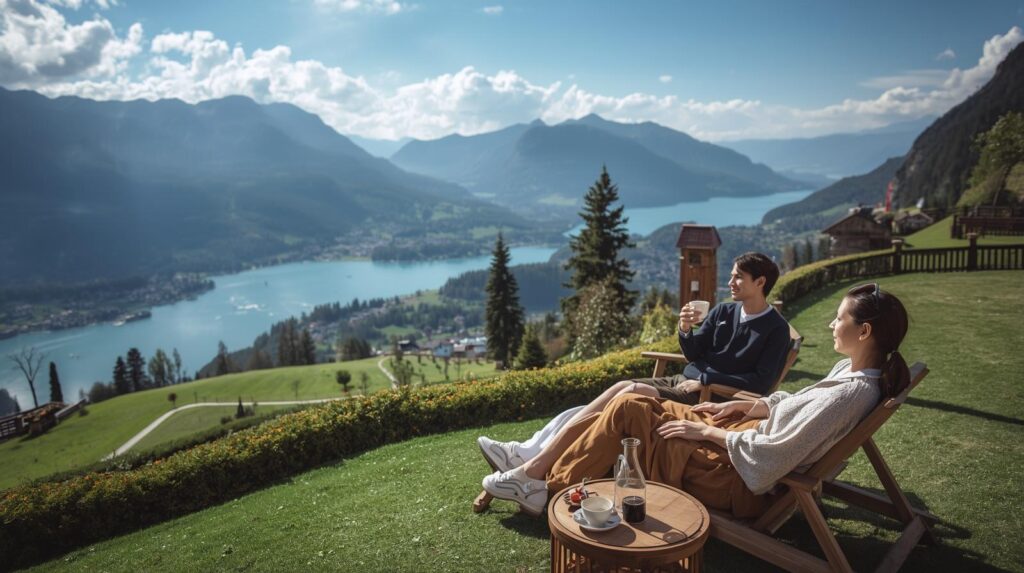
Sustainable Practices in Slow Travel
Slow travel not only deepens your connection to the places you visit but also plays a crucial role in promoting sustainable practices. By focusing on quality over quantity, travelers can significantly reduce their carbon footprint and enhance their overall lifestyle balance. Here’s how slow travel contributes to a more sustainable and harmonious way of exploring the world:
Embrace Local Experiences
Choosing local accommodations, restaurants, and activities ensures that your travel dollars benefit the community directly. Opt for guesthouses over hotels and dine at family-owned eateries to support local economies while enjoying authentic cultural experiences. For example, in the quaint villages of Italy’s Cinque Terre, travelers can savor fresh seafood caught by local fishermen while immersing themselves in the region’s traditional lifestyle.
Minimize Transportation Impact
By traveling less frequently to each destination and opting for slower modes of transport, like trains or bicycles, you can significantly lower your carbon emissions. Consider the stunning rail journeys across Europe, such as the scenic routes through Switzerland, where panoramic views abound. This way, not only do you reduce your environmental impact, but you also experience the landscape more intimately.
Support Sustainable Tourism Initiatives
Many destinations are now implementing sustainable tourism practices, such as eco-lodges and tours that give back to nature. When visiting Costa Rica, for instance, consider eco-friendly resorts that emphasize conservation and biodiversity. Participating in volunteer programs or tours that promote wildlife protection can create a positive impact while enriching your travel experience.
Foster Cultural Respect and Awareness
Slow travel encourages deeper cultural integration, allowing you to engage genuinely with locals. This not only helps preserve cultural heritage but also promotes respect for local customs and traditions. Attend local festivals, participate in workshops, or learn the local language to forge authentic connections. In Japan, for example, staying in a ryokan (traditional inn) offers insights into Japanese culture that a one-night hotel stay never could.
By incorporating these sustainable practices into your travel habits, you can enhance your lifestyle balance. Slow travel invites you to prioritize experiences that nurture your well-being while celebrating and preserving our planet’s natural and cultural treasures.
Tips for Incorporating Slow Travel into Your Lifestyle
In our fast-paced world, slow travel offers a refreshing perspective on how to explore new destinations mindfully. By deliberately choosing to take fewer trips and immerse ourselves in specific locations rather than rushing through numerous sights, we can find a deeper connection to our surroundings. Here are some actionable tips on how to incorporate slow travel into your lifestyle and ultimately enhance your balance:
- Choose Shorter, Extended Stays: Instead of cramming multiple locations into a week-long trip, consider spending longer at each destination. For example, instead of hopping from Paris to Berlin in quick succession, spend a week in one city to allow new experiences to unfold organically.
- Engage with Local Communities: When traveling, seek to understand and participate in the local culture. This could mean taking cooking classes in Tuscany, joining a traditional dance class in Mexico, or volunteering for community projects. Building connections with locals enriches your travel experience and fosters a sense of balance by grounding your exploration in cultural exchange.
- Practice Mindfulness: Slow travel embodies the idea of being present. Engage fully with your environment by practicing mindfulness techniques, such as meditation or journaling. Allocate time each day to reflect on your experiences, which can enhance the quality of your travels and contribute to personal well-being.
- Reduce Travel Frequency: Prioritize quality over quantity by planning fewer trips each year. By focusing on one or two significant journeys, you can allocate more time for research, relaxation, and spontaneous discoveries that contribute to a balanced lifestyle.
- Utilize Public Transport: Embrace local transport options like buses, trains, and bicycles to enrich your travel experience. Consider traveling through Japan using trains or exploring Amsterdam by bike, where you can take your time and appreciate the scenery at a slower pace.
- Create a Travel Journal: Documenting your adventures helps you reflect on moments and insights gained throughout your journey. Use your journal to jot down what you learned about the culture, the people you met, and how your travels influenced your lifestyle balance.
Incorporating these tips into your travel habits can lead to a richer, more fulfilling travel experience while significantly improving your lifestyle balance.
Frequently Asked Questions
What is slow travel?
Slow travel is a philosophy of traveling that emphasizes experiencing a destination at a leisurely pace, focusing on meaningful experiences rather than rushing between tourist hotspots. It encourages deeper connections with local culture, people, and the environment.
How does slow travel impact mental health?
Slow travel can significantly improve mental health by reducing stress levels, promoting mindfulness, and encouraging relaxation. By taking the time to savor experiences and engage with the local culture, travelers can find greater joy and satisfaction from their journeys.
What are the physical health benefits of slow travel?
Slow travel often involves walking, hiking, or cycling, which can enhance physical well-being. It allows travelers to incorporate more movement into their routines, enjoy nature, and engage in healthier activities that promote overall fitness.
How can slow travel enhance relationships?
Slow travel fosters deeper connections, both with traveling companions and with local communities. By spending quality time together and engaging in shared experiences, relationships can be strengthened, leading to more meaningful interactions and memories.
What are some tips for incorporating slow travel into my lifestyle?
To incorporate slow travel into your lifestyle, start with shorter trips that allow for leisurely exploration, prioritize local experiences over tourist attractions, and practice mindfulness while traveling. Focus on immersing yourself in the culture and connecting with the places you visit.