
Traveling abroad offers a wealth of opportunities to expand your horizons and experience the richness of diverse cultures. However, along with the excitement of new adventures comes the responsibility to honor and respect the traditions of the places you visit. Understanding how to respect traditions when traveling abroad not only enhances your travel experience but also fosters goodwill and deeper connections with local communities. In this guide, we will explore essential tips and insights on navigating cultural norms, practicing respectful behavior, and engaging with locals in a meaningful way, ensuring your journey is both enriching and respectful.

Key Takeaways
- Understanding local customs is essential for respectful travel.
- Research cultural etiquette in advance to avoid unintentional offenses.
- Practice respectful behavior to foster positive interactions with locals.
- Know the do’s and don’ts when engaging with community traditions.
- Participate in traditional practices mindfully and with appreciation.
Understanding Local Customs and Traditions
Traveling to new countries offers not just scenic landscapes but also rich cultural experiences. Understanding local customs and traditions is key to any meaningful journey abroad. One of the fundamental questions travelers often ask is, how to respect traditions when traveling abroad? Here are essential tips for navigating cultural complexities and ensuring your travels are both respectful and rewarding.
### Research Before You Go
Before setting foot in a new country, take some time to educate yourself about its customs and traditions. Here are some actionable steps:
• Read Guidebooks and Articles: Start with travel guidebooks that cover cultural etiquette. Websites like Bimoseto often provide valuable insights on specific traditions in the countries you intend to visit.
• Watch Documentaries and Vlogs: Visual learning can be incredibly effective. Platforms like YouTube have numerous travel vlogs that highlight local customs in engaging ways.
• Join Online Forums or Social Media Groups: Engage with fellow travelers who have visited the same destination to gain firsthand insights.
### Observe and Adapt
Once you arrive at your destination, the next step is to observe how locals interact. Here are some suggestions:
• Be Mindful of Dress Codes: Some cultures have specific dress codes, especially when visiting sacred sites. For example, visiting temples in Bali requires covering shoulders and legs.
• Understand Local Greetings: Each culture has its own way of saying hello. In Japan, bowing is customary, while in parts of the Middle East, a handshake accompanied by a warm smile is often preferred.
### Engage with Locals
Local interactions can deepen your understanding of cultural traditions. Here are some ways to engage respectfully:
• Learn Basic Phrases: Knowing how to say ‘hello,’ ‘thank you,’ and ‘please’ in the local language can go a long way in showing respect.
• Participate in Local Festivals: Many countries hold vibrant festivals that showcase their traditions. For instance, attending the Holi Festival in India is a vibrant way to immerse yourself in the culture. Ensure you learn about the significance of such events beforehand.
### Ask for Permission
When in doubt, a respectful approach is to ask permission. Wherever you go, whether you’re taking pictures of a local market or attending a ceremony, ensure you ask first.
• Respect Privacy: Some cultures value privacy, so always check if it’s okay to take someone’s photo before doing so.
• Participate Mindfully: If joining a traditional dance or a local gathering, observe how locals participate before you join in.
### Understanding the Significance of Local Customs
Every tradition has its roots in the society’s history, religion, and values. Understanding what these customs symbolize can help you appreciate them deeper. For instance, sharing a meal can be a significant gesture of hospitality in many cultures, such as savoring a traditional ‘Asado’ (barbecue) in Argentina. Knowing these nuances can enhance your travel experience.
### Be Prepared for Cultural Differences
Understanding that cultural norms vary greatly can ease potential concerns. Here are some differences to keep in mind:
• Time Perception: In countries like Spain, meals can be served later than in North America. Being flexible with your schedule will show respect.
• Personal Space: Cultures like those in the Mediterranean may have a different comfort level with personal space compared to Northern European countries.
### Final Thoughts
Traveling is as much about respecting and understanding cultures as it is about exploration. By knowing how to respect traditions when traveling abroad, you enrich not only your experience but also acknowledge the beauty and depth of the cultures you encounter.
Researching Cultural Etiquette Before You Go
Traveling abroad is an enriching experience, but to truly embrace your journey, it’s essential to learn how to respect traditions when traveling abroad. Each culture has its own set of customs, values, and behaviors that shape the way locals interact with one another and with visitors. By educating yourself on these cultural nuances, you not only show respect to the destination but also enhance your own travel experience.
Research Key Traditions
Before you set off, dedicate some time to research the key traditions of the country you plan to visit. Here are some practical steps:
1. Read About Local Norms: Use reputable travel guides and local blogs that cover customs specific to the region.
2. Watch Documentaries or Movies: Visual media can give you a sense of the culture and its rituals.
3. Engage with Local Communities Online: Platforms like Facebook or Reddit often have groups where locals share their experiences and advice for travelers.
Understand Greetings and Gestures
Knowing how to greet someone can vary significantly between cultures. For example, a handshake is common in many Western countries, while in countries like Japan, a bow is traditional. If you’re exploring the Middle East, a kiss on both cheeks can be the norm among acquaintances.
• Practice the Local Language: Even basic phrases like ‘hello,’ ‘thank you,’ and ‘please’ can go a long way in showing respect for the local culture.
• Be Observant: Take a cue from locals. Watch how they greet each other and adapt your behavior accordingly.
Dress Appropriately
Clothing can be an important part of respecting traditions. Some cultures have distinct dress codes, especially in religious sites. For instance:
• In India: It is customary to remove shoes before entering homes and temples.
• In Muslim countries: Women are often expected to wear modest clothing, covering arms and legs, and sometimes wearing a headscarf.
• In Japan: Wearing shoes indoors is considered rude, especially in traditional homes.
Dining Etiquette
When it comes to food, every culture has its unique dining customs:
• Chopsticks in East Asia: Proper use and placement of chopsticks can reflect respect. For example, it’s considered rude to stick chopsticks upright in rice in Japan.
• Sharing Meals in Middle Eastern Cultures: Dining often involves sharing dishes, and it’s polite to accept hospitality. Learn whether to use your hands or utensils, as it varies widely across cultures.
Be Mindful of Taboos
Certain topics are sensitive in various cultures. Avoid discussing politics, religion, or personal income unless you are sure it’s culturally acceptable. For example:
• In Thailand: The monarchy is a sensitive subject; criticism can be considered offensive.
• In some Indigenous cultures: Topics surrounding land usage and sacred places should be approached with caution and respect.
Respect Local Customs
Be adventurous yet sensitive. Participate in local traditions or festivals if invited, but do so with full respect for their significance. Remember:
• Ask Before Taking Photos: Some cultures consider photography a breach of privacy.
• Follow Social Norms: Use appropriate language and dress norms during cultural events, whether it’s a local wedding, festival, or religious ceremony.
By embracing these practices, you’ll not only respect traditions when traveling abroad but also foster connections, enhance your experiences, and return home with unforgettable memories.
‘The journey of a thousand miles begins with one step.’ – Lao Tzu

Practicing Respectful Behavior During Your Visit
### Practicing Respectful Behavior During Your Visit
When traveling abroad, learning how to respect traditions when traveling is essential for fostering goodwill and ensuring a positive experience. Each culture has its own set of norms and practices, and adhering to these can enrich your journey. Here are some strategies to guide you in practicing respectful behavior during your visit:
1. Research Local Customs: Before traveling, familiarize yourself with the customs, cultural practices, and societal norms of your destination. Websites like Culture Trip or Lonely Planet often provide comprehensive guides on what to expect in various countries. For instance, in Japan, bowing is a common greeting, while in some Middle Eastern countries, it’s customary to greet others with ‘As-salamu alaykum.’
2. Dress Appropriately: Many cultures have specific dress codes, especially when visiting religious sites. For example, in Turkey, visiting mosques requires modest attire—women should cover their shoulders and hair, while men should wear long pants. Always err on the side of modesty to show respect for local beliefs.
3. Observe Dining Etiquette: Food is a significant part of cultural identity. In some Asian cultures, it is considered impolite to point with chopsticks, while in Italy, placing bread directly on the table is frowned upon. Pay attention to how locals eat and follow suit. If you’re uncertain, just ask politely!
4. Learn Basic Phrases: Speaking a few key phrases in the local language can go a long way in showing respect. Words like ‘hello,’ ‘thank you,’ and ‘please’ can break the ice and create a friendlier atmosphere. For example, saying ‘Konnichiwa’ in Japan or ‘Merci’ in France demonstrates your effort to connect with the local culture.
5. Participate Mindfully in Traditions: If you’re invited to participate in a local event or tradition, approach it with genuine curiosity and respect. For instance, in Bali, joining a local ceremony can be a soul-stirring experience, but ensure you’re aware of the proper etiquette, like not stepping on offerings placed around the venue.
6. Be Aware of Sensitivities: Some topics might be sensitive in certain cultures, such as politics or religion. It’s wise to avoid personal questions or vague generalizations and instead focus on universal topics such as travel experiences and local cuisine. This helps maintain a comfortable atmosphere for both you and your hosts.
Engaging with Locals: Do’s and Don’ts
When traveling abroad, understanding and respecting local traditions is crucial for a meaningful and respectful experience. Here are some essential do’s and don’ts to ensure that your interactions with locals are both enriching and culturally sensitive.
### Do’s
• Research Local Customs: Before you embark on your journey, spend time learning about the traditions and customs of the places you will visit. For instance, in Japan, bowing is a common greeting, while in Thailand, the ‘wai’ hand gesture is a sign of respect.
• Ask Questions: Engaging locals by asking them about their customs fosters appreciation and connection. Locals are often more than willing to share insights about their culture, especially when approached respectfully.
• Participate in Local Rituals: If you have the opportunity, take part in local ceremonies or festivals. For example, joining in the Diwali celebrations in India can not only be enjoyable but also provide deep insights into the culture. Just ensure you dress appropriately and follow the customs observed at the event.
• Practice Patience and Open-mindedness: Understand that things might run differently than what you’re accustomed to. Be patient when faced with language barriers or unfamiliar practices. Your willingness to adapt is a sign of respect.
### Don’ts
• Avoid Assumptions: Each culture is unique; what may be acceptable in your country might not be in others. For example, in many Middle Eastern countries, public displays of affection are frowned upon, whereas in some Western cultures, they are common.
• Disregard Dress Codes: In regions where religious customs are observed, such as visiting temples in Bali or mosques in Istanbul, adhering to specific dress codes is imperative. Covering shoulders and knees reflects respect for local traditions.
• Disrespect Sacred Spaces: Steer clear of loud conversations and disruptive behaviors in places like shrines and churches. For instance, when visiting Machu Picchu, it’s vital to honor the site by maintaining silence and refraining from climbing on ancient structures.
• Overlook Language Etiquette: Making an effort to use basic phrases in the local language can go a long way in showing respect. Even a simple ‘thank you’ or ‘hello’ can create a positive connection.
By embracing these do’s and don’ts, you pave the way for authentic interactions with locals, enriching your travel experience while honoring the cultural tapestry that makes each destination unique. Understanding how to respect traditions when traveling abroad is not just about observing customs; it’s about fostering connections that last long after your journey ends.
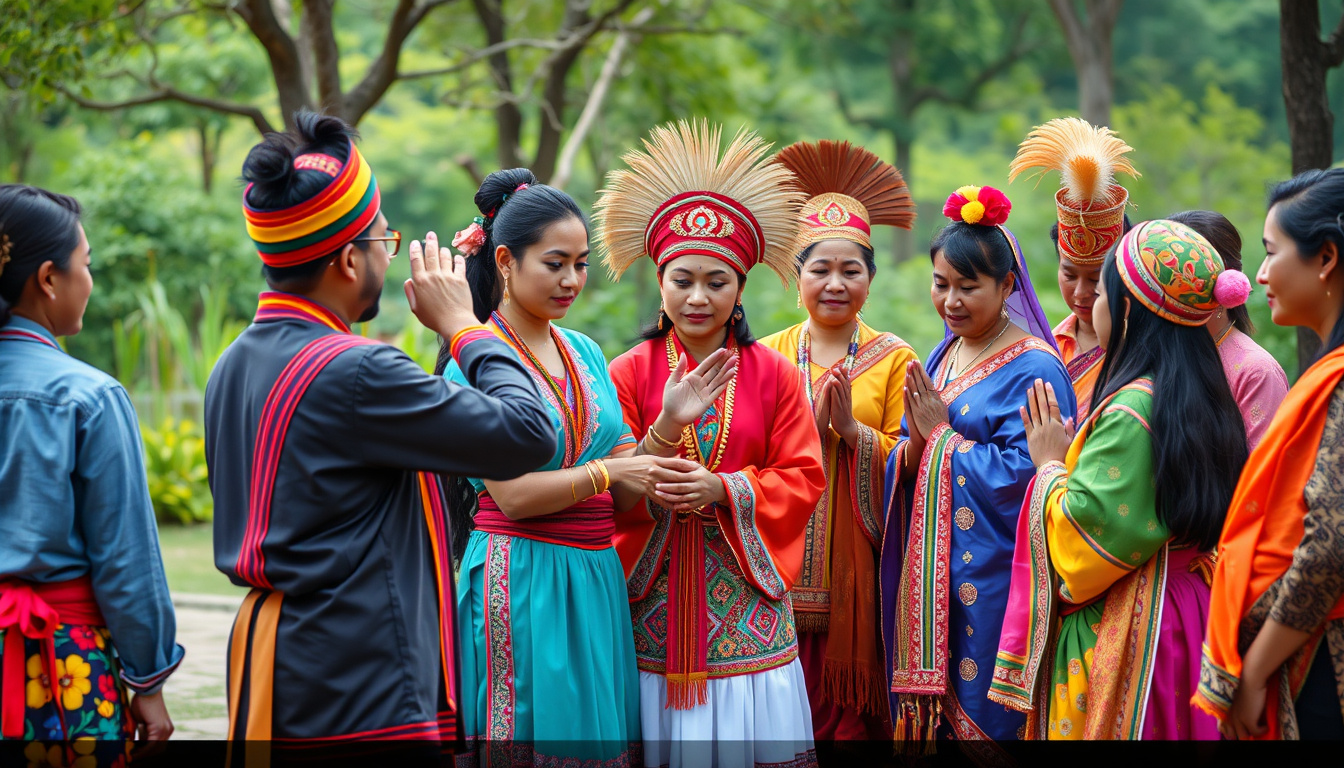
Participating in Traditional Practices Responsibly
Traveling abroad presents a unique opportunity to immerse oneself in diverse cultures and traditions. However, it is crucial to approach such experiences with respect and mindfulness. Understanding how to respect traditions when traveling abroad not only enhances your travel experience but also fosters positive relationships with local communities. Here are some actionable tips to guide you:
###
1. Do Your Homework
Before you travel, educate yourself about the local customs, values, and traditions of your destination. This could include:
• Reading up on local history and cultural norms.
• Understanding dress codes, particularly for religious sites where modesty is required.
• Learning a few basic phrases in the native language to show respect for local communication.
###
2. Attend Cultural Workshops
Many places offer workshops and classes where travelers can learn about traditional practices firsthand. This could include:
• Cooking classes in Italy to understand the significance of food.
• Dance lessons in Bali to appreciate the cultural narratives told through movement.
• Crafting workshops in Mexico, focusing on local artisan techniques.
These experiences not only deepen your understanding but also support local economies.
###
3. Ask for Permission
When photographing people or cultural events, it is respectful to ask for permission first. In some cultures, capturing images can be viewed as intrusive or disrespectful. Respecting boundaries promotes goodwill and a sense of trust between you and the locals.
###
4. Participate with an Open Mind
Engaging in traditional practices means embracing the experience with an open heart and mind. Always remember:
• You are a guest in someone else’s culture, and it’s important to engage without imposing your values or judgments.
• Participation should be genuine; don’t just do it for social media posts.
###
5. Support Local Artisans and Businesses
When looking for souvenirs, prioritize local artisans over mass-produced items. Not only does this help the community economically, but it also ensures that your chosen items are culturally authentic.
###
6. Understand the Significance
Many traditions have deep cultural or spiritual meanings. For instance, in Japan, removing shoes before entering homes is a sign of respect and cleanliness. Inquiring about these practices fosters a genuine connection and shows that you are interested in their culture.
### Conclusion
By taking the time to learn how to respect traditions when traveling abroad, you become a more responsible traveler. Engaging positively with local customs and communities enriches your journey while promoting sustainable cultural exchange. So as you pack your bags, remember to approach every destination with respect and a willingness to learn, ensuring you contribute positively to your travels and the lives of those you encounter.
Reflecting on Your Experience and Learning from It
Traveling is not just about seeing new places; it’s an opportunity to immerse yourself in diverse cultures and traditions. However, understanding how to respect traditions when traveling abroad is crucial for fostering positive interactions and honoring the local way of life. Here are some actionable tips to ensure you navigate cultural nuances with grace and mindfulness:
###
1. Research Before You Go
– Read about local customs: Familiarize yourself with the traditions, etiquette, and customs of the destination. Books, travel blogs, and cultural guides can provide invaluable insights.
– Understand religion and beliefs: Knowing about predominant religions and their practices can help avoid inadvertent disrespect. For instance, when visiting countries like Indonesia, it’s essential to be aware of Islamic customs.
###
2. Observe and Listen
– Follow local behavior: When you arrive, take note of the behaviors of locals in public spaces. This can guide your actions and provide cues about acceptable norms.
– Ask Questions: Be curious but respectful. Asking locals about their customs can provide deeper understanding and appreciation.
###
3. Dress Appropriately
– Adapt your attire: In many cultures, dressing modestly is a sign of respect. For instance, in places like Morocco and India, women are expected to cover their shoulders and knees when visiting religious sites.
– Wear cultural attire when invited: Participating in traditional dress during local festivals can be a way to connect and show respect.
###
4. Mind Your Language
– Learn basic phrases: Knowing common greetings or pleasantries in the local language can show you value the culture. Simple words like “hello,” “thank you,” or “please” can soften interactions and express respect.
– Avoid idioms or slang: These may not translate well and could lead to misunderstandings.
###
5. Participate in Local Traditions
– Join cultural events: Engage in local festivals, ceremonies, and markets. In Japan, for instance, participating in a tea ceremony not only enriches your travel experience but shows respect for the culture.
– Support local artisans: Buying handmade crafts from local markets helps preserve traditions while supporting the community.
###
6. Practice Mindfulness and Sensitivity
– Be aware of your surroundings: Loud conversations, taking photos in sacred spaces, or using expressive gestures can be interpreted as disrespectful in many cultures.
– Respond calmly to cultural differences: If confronted about your behavior, listen and reflect without defensiveness. Learning moments are a part of travel.
### Conclusion
Respecting traditions when traveling abroad is essential to creating positive cross-cultural exchanges. By researching local customs, engaging mindfully, and participating actively in the cultural life of the communities you visit, you contribute to a deeper understanding and appreciation of their way of life. As you plan your next journey, consider how your travel choices reflect not just your curiosity, but also your respect for the rich tapestry of cultures around the globe.
Frequently Asked Questions
What are some key local customs I should research before traveling?
Before traveling, it’s important to research customs such as greetings, dining etiquette, dress codes, and any specific cultural norms unique to the locale you are visiting. This might include understanding when it’s appropriate to tip, how to behave during religious ceremonies, or local taboos.
How can I engage with locals while being respectful of their traditions?
To engage respectfully, be polite and open-minded. Always ask before participating in local customs, avoid intrusive questions, and listen more than you speak. It’s also wise to follow their lead in social settings to understand how to behave correctly.
What should I do if I accidentally offend someone while respecting traditions?
If you offend someone, apologize sincerely and acknowledge that it was unintentional. Showing humility and a willingness to learn from the experience can go a long way in mending any misunderstandings.
Are there any specific behaviors to avoid when visiting cultural sites?
Yes, avoid taking photos where it’s not allowed, speaking loudly, or touching sacred objects. Additionally, dress modestly and be mindful of any rituals occurring during your visit.
How can I reflect on my travel experiences to ensure I respect traditions in the future?
After your trip, take time to journal your experiences, focusing on what you learned about local traditions. Consider how you could improve your respectful behavior next time, and share your insights with others to promote cultural sensitivity.