
Embarking on long road trips can be an exhilarating experience, filled with scenic views, cultural explorations, and a sense of freedom. However, ensuring your safety during these journeys is paramount. In this article, we will delve into critical tips on how to stay safe on long road trips, covering everything from vehicle preparation to driving practices and emergency procedures. By equipping yourself with the right knowledge and tools, you can navigate your journey with confidence and peace of mind.
Key Takeaways
- Ensure your vehicle is well-maintained before embarking on a long road trip.
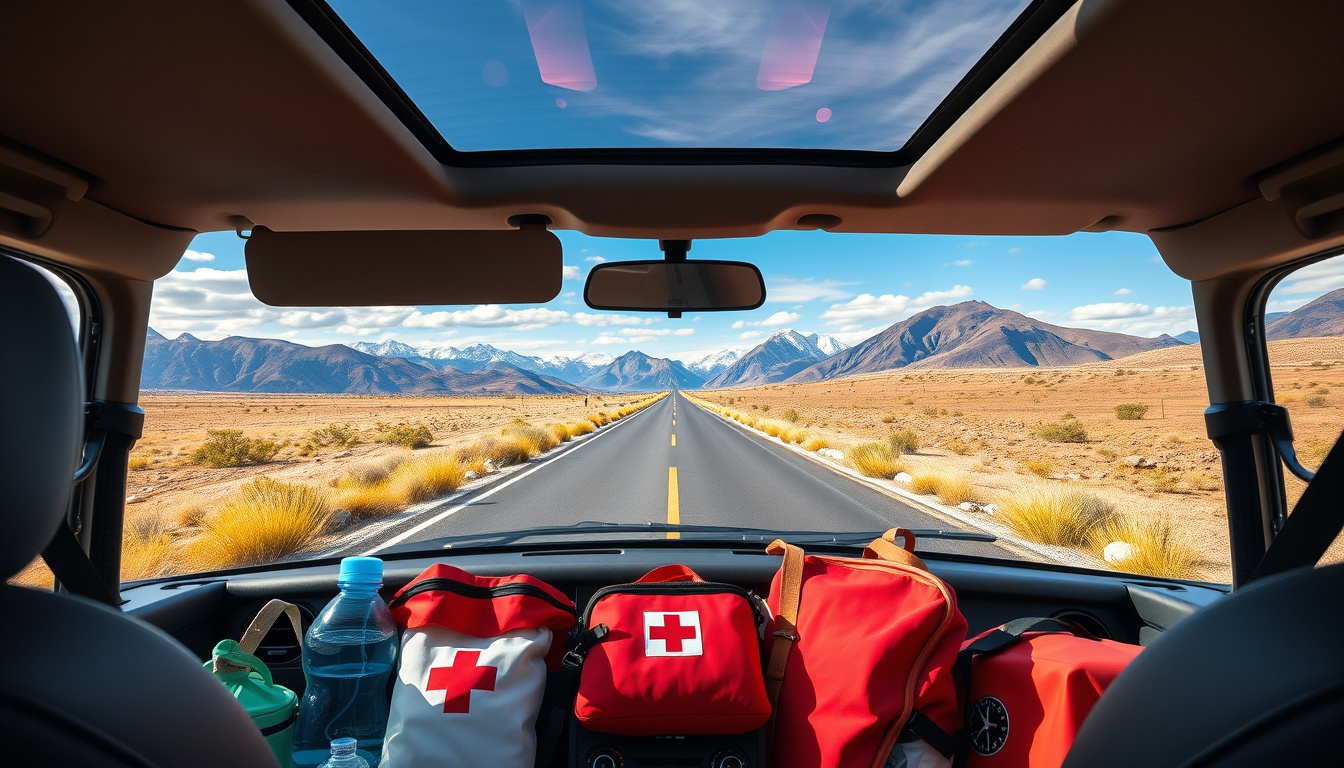
- Pack essential safety gear like a first-aid kit and roadside emergency tools.
- Plan your route in advance, including rest stops to prevent fatigue.
- Stay alert by taking regular breaks and switching drivers if possible.
- Familiarize yourself with emergency procedures and have important contacts on hand.
Preparing Your Vehicle for a Long Trip
Preparing your vehicle properly is essential to ensure safety on long road trips. Here’s a detailed guide on how to stay safe:
###
1. Conduct a Thorough Vehicle Inspection
Before hitting the road, inspect key components of your vehicle:
• Fluid Levels: Check engine oil, coolant, brake fluid, transmission fluid, and windshield washer fluid.
• Tires: Inspect tire pressure, tread depth, and check for any cracks or bulges. Consider rotating your tires to enhance their lifespan.
• Brakes: Ensure your brakes are responsive and have sufficient pad thickness. If you hear any strange sounds, it’s best to get them checked.
• Battery: Test your battery’s voltage and clean any corrosion from terminals.
###
2. Pack an Emergency Kit
No journey is complete without an emergency kit. Here’s what to include:
• First Aid Supplies: Band-aids, antiseptic wipes, pain relievers, and any personal medications.
• Tools: Pliers, a wrench, screwdrivers, and a flashlight with extra batteries.
• Safety Items: Flares, reflectors, and jumper cables.
• Emergency Food and Water: Non-perishable snacks and bottled water can be a lifesaver.
###
3. Plan Your Route
Planning your route ahead of time not only saves time but also ensures safety:
• Select Safe Roads: Use maps to find well-traveled routes and avoid isolated areas.
• Know Your Stops: Identify rest areas and gas stations along your route for breaks and refueling.
• Monitor Weather Updates: Check the weather forecast for your travel dates and adjust your route as necessary to avoid bad weather conditions.
###
4. Schedule Breaks
Long road trips can lead to fatigue, compromising safety:
• Take Regular Breaks: Stop every 2-3 hours to stretch, rest, and refresh.
• Rotate Drivers: If traveling with others, alternate driving duties.
• Stay Hydrated: Drink water but balance it with restroom breaks to avoid unnecessary stops.
By taking these preparatory measures, you can significantly reduce risks and enhance the enjoyment of your long-distance travels. With a well-prepared vehicle, you are not just ensuring your safety but also enhancing the overall experience of your road trip.
Essential Road Trip Safety Gear
## Essential Road Trip Safety Gear: How to Stay Safe on Long Road Trips
Embarking on a long road trip can be a thrilling adventure, filled with scenic views and cultural discoveries. However, ensuring your safety while on the road is paramount. Below, we explore essential road trip safety gear that every traveler should have to stay safe on long road trips.
###
1. First Aid Kit
A comprehensive first aid kit is crucial for handling minor injuries or ailments. Ensure your kit includes:
• Adhesive bandages
• Sterile gauze and tape
• Antiseptic wipes
• Pain relievers
• Tweezers and scissors
• A first-aid manual
###
2. Emergency Roadside Kit
This kit can be a lifesaver in case of vehicle failure. Include the following items:
• Jumper cables
• Tire inflator or pump
• Road flares or reflective warning triangles
• Basic tools (screwdrivers, wrenches, etc.)
• Flashlight with extra batteries
• A blanket for warmth in case of an emergency
###
3. Navigation and Communication Devices
Although most of us rely on smartphones for navigation, it’s wise to have a back-up plan. Consider these options:
• GPS device with updated maps
• Portable power bank to keep devices charged
• A physical map for areas with limited signal reception
###
4. Food and Water Supplies
Staying hydrated and nourished is essential for long trips. Pack:
• Non-perishable snacks (granola bars, nuts, dried fruit)
• Reusable water bottles to minimize waste
• A cooler with perishable items if space allows
###
5. Comfortable Travel Essentials
Long hours in a car can lead to discomfort and fatigue. Enhance your comfort with:
• Travel pillows for neck support
• Blankets for warmth
• Eye masks and earplugs for rest
###
6. Personal Safety Items
For peace of mind, especially if traveling alone, consider having:
• A whistle for signaling in emergencies
• Personal alarm or pepper spray, where legal
• Copies of important documents (ID, insurance)
### Tips for Long Road Trip Safety
• Plan Your Route: Research and plan your route in advance, noting rest stops and gas stations.
• Check Your Vehicle: Before departure, ensure your vehicle is in good condition (oil change, tire pressure, coolant levels).
• Avoid Driving Fatigue: Share driving duties if possible, and take regular breaks.
• Stay Informed: Keep updated on weather conditions and road closures.
### Conclusion
Traveling can be one of life’s most rewarding experiences, but how to stay safe on long road trips should remain your priority. From packing essential safety gear to being prepared for unexpected situations, taking proactive steps can significantly enhance your road trip experience. Don’t forget to plan ahead, check your vehicle, and maintain communication with loved ones, ensuring every journey remains enjoyable and secure.
‘The journey of a thousand miles begins with one step.’ – Lao Tzu
Planning Your Route and Stops
### Planning Your Route and Stops
When embarking on an exciting journey, knowing how to stay safe on long road trips is paramount to ensuring a memorable and trouble-free experience. Here are some essential tips to consider while planning your route and stops, along with local examples that can inspire your travel itinerary.
1. Choose Safe Roads: Prioritize well-maintained highways over shortcuts or lesser-known routes. Federal highways often have better signage and regular rest stops. For instance, the Pacific Coast Highway in California provides breathtaking ocean views, as well as ample rest areas to stretch your legs safely.
2. Plan Regular Breaks: Schedule stops every 2-3 hours to rest, hydrate, and recharge. This helps in maintaining focus and energy. Aim for places like national parks or local diners where you can stretch out and enjoy the surroundings—consider making a stop at Yellowstone National Park for both a scenic break and a chance to explore stunning landscapes.
3. Avoid Night Driving: Arriving at your destination after dark can increase the risk of accidents. If necessary, adjust your schedule so that you can travel during daylight hours, where visibility and the general awareness level are significantly higher.
4. Check Weather Conditions: Always review weather forecasts ahead of time. Severe weather can pose dangers on the road. For example, if you’re traveling through the Midwest in winter, make alternative plans to avoid snow-covered passes when possible.
5. Travel Light but Smart: Keep your belongings organized and easily accessible. Consider only packing essentials to minimize distractions while driving. Important items such as car emergency kits, snacks, and water should be within reach, making your trip smoother and safer.
6. Use Technology Wisely: GPS apps not only provide the best routes but also warn about road conditions and traffic. Make sure to update your app regularly and have a physical map handy—connectivity can be spotty in remote areas. For instance, driving through the Appalachian Mountains may require old-school navigation aids as cell service can be unreliable.
With these tips, you can enhance your travel experience and know how to stay safe on long road trips, ensuring that your journey is as enriching and enjoyable as the destinations themselves.
Staying Alert and Avoiding Fatigue
### Staying Alert and Avoiding Fatigue on Long Road Trips
When embarking on long road trips, safety should be your top priority. Fatigue can significantly hinder your ability to drive safely, making it crucial to implement strategies to stay alert and focused on the road. Here are some effective tips on how to stay safe on long road trips:
1. Plan Regular Breaks: Schedule stops at least every 2-3 hours. Use this time to stretch, hydrate, and take a brief walk to rejuvenate your body.
2. Share the Driving: If traveling with others, take turns behind the wheel. This allows everyone to rest while making continual progress towards your destination.
3. Stay Hydrated and Eat Light: Dehydration can lead to fatigue. Keep a bottle of water handy and opt for light snacks, such as nuts or fruit, that provide energy without a crash.
4. Avoid Heavy Meals: As tempting as it may be to indulge, heavy meals can sap your energy and make you feel drowsy.
5. Use Engaging Audio: Listening to podcasts, audiobooks, or upbeat music can help keep your mind engaged and stave off tiredness.
6. Consider the Time of Day: Plan your driving around your natural peak alertness. Most people feel more awake during the daytime; nighttime driving can increase fatigue levels.
7. Watch for Warning Signs: Pay attention to your body. If you start to feel drowsy, it’s crucial to stop and rest. Signs of fatigue may include frequent yawning, difficulty concentrating, and heavy eyelids.
By prioritizing alertness and safety, you can enjoy the journey as much as the destination. Remember, the key to a successful long road trip is managing your energy and ensuring you remain a vigilant driver.

Emergency Procedures and Contacts
## Emergency Procedures and Contacts
When embarking on a long road trip, understanding how to stay safe on long road trips is paramount. Preparation not only enhances your safety but also boosts your confidence as you navigate unfamiliar territories. One of the key aspects of staying safe is having a clear emergency plan. Here’s how to set up your emergency procedures and the contacts you need:
###
1. Create an Emergency Kit
Having an emergency kit in your vehicle can make a significant difference. Here’s what to include:
• First Aid Kit: Bandages, antiseptics, pain relievers, and any prescription medications.
• Tools: Jumper cables, a flashlight (with extra batteries), and a basic tool set.
• Food and Water: Non-perishable snacks and bottled water.
• Blankets: For warmth during unexpected stops or breakdowns.
###
2. Know Your Route and Resources
Before you hit the road, familiarize yourself with your route:
• Use GPS and Offline Maps: Ensure that you have offline maps downloaded in case you lose cell service.
• Local Emergency Contacts: Research the local emergency services numbers for areas you will be driving through. In many countries, emergency services can be reached by dialing 112 or 911, but always verify the local processes.
###
3. Share Your Itinerary
Inform a friend or family member about your travel plans:
• Provide Details: Share your itinerary, including expected arrival times and check-in points.
• Regular Updates: Communicate regularly throughout your journey, especially if plans change.
###
4. Phone and Charging Solutions
Ensure your phone is ready for emergencies:
• Chargers: Portable power banks can be lifesavers for charging devices on the go.
• Emergency Contacts: Have essential numbers saved in your phone and written down in case of battery failure.
###
5. Vehicle Maintenance
Ensure your vehicle is ready for the road:
• Routine Checks: Check oil levels, tire pressure, and brakes before departure.
• Roadside Assistance: Consider enrolling in a roadside assistance program. This can be invaluable for unexpected breakdowns or tire changes.
###
6. Practice Safe Driving Habits
While driving:
• Stay Alert: Take regular breaks to avoid fatigue, and consider carpooling or sharing driving duties.
• Follow Traffic Laws: Always obey speed limits and local traffic regulations.
By implementing these emergency procedures and maintaining essential contacts, you can significantly enhance your safety on long road trips, allowing you to focus on the beauty and adventure of your journey.
Tips for Safe Driving Practices
When embarking on a long road trip, ensuring your safety is paramount. Here are some effective tips on how to stay safe on long road trips:
1. Plan Your Route in Advance
– Utilize GPS and maps to outline your journey, factoring in rest stops and overnight stays. Familiarize yourself with alternative routes in case of road closures or heavy traffic.
2. Conduct Vehicle Maintenance
– Before the trip, check tire pressure, oil levels, brakes, and coolant. A well-maintained vehicle is less likely to break down on the road, ensuring a smoother journey.
3. Take Regular Breaks
– Schedule breaks every 2-3 hours to stretch, hydrate, and refresh. This can help prevent fatigue and maintain alertness.
4. Stay Hydrated and Snack Wisely
– Keep water and healthy snacks handy. Dehydration can impair your ability to drive, while nutritious snacks can provide energy without causing sluggishness.
5. Avoid Distractions
– Silence your phone notifications and reduce in-car distractions. If you need to attend to something, pull over safely before doing so.
6. Follow Speed Limits and Traffic Rules
– Adhering to posted speed limits and being mindful of other road users is crucial for your safety and that of others.
7. Share the Driving
– If traveling with others, take turns driving. This helps minimize fatigue and keep both drivers alert.
8. Stay Informed
– Keep an eye on weather conditions and traffic updates. Adjust your travel plans as necessary to account for adverse weather that could impact safety.
By integrating these practices into your travel routine, you will significantly enhance your safety on long road trips.
Frequently Asked Questions
What should I do to prepare my vehicle for a long road trip?
To prepare your vehicle for a long road trip, ensure that you check and change your oil, inspect your tires (including the spare), check the brakes, and fluid levels (coolant, transmission, brake, and windshield). Additionally, make sure your wipers and lights are functioning properly.
What essential safety gear should I pack for a road trip?
Essential road trip safety gear includes a first-aid kit, spare tire and jack, jumper cables, a flashlight with extra batteries, a tire pressure gauge, and basic tools. Also, consider packing an emergency blanket and non-perishable food items.
How can I effectively plan my route and stops to ensure safety?
To effectively plan your route, use a reliable GPS or map application, identify rest areas for breaks every couple of hours, and check the weather conditions along your route. Share your itinerary with someone to keep them updated on your whereabouts.
What strategies can I use to stay alert and avoid fatigue while driving?
To stay alert, take regular breaks (ideally every 2 hours), switch drivers if possible, stay hydrated, and avoid heavy meals before and during driving. Listening to music or podcasts can also help keep your mind engaged.
What should I do in case of an emergency during my road trip?
In case of an emergency, pull over to a safe location and assess the situation. Have an emergency contact list ready, including roadside assistance numbers. If necessary, don’t hesitate to call 911 for help and follow safety protocols, such as staying with your vehicle if you are stranded.