
Adventure travel is an exhilarating experience that allows individuals to step outside their comfort zones and immerse themselves in nature, culture, and thrilling activities. However, for beginners, a crucial question arises: how safe is adventure travel for beginners? Understanding the risks and safety measures associated with various adventure activities is essential to ensure a rewarding and secure experience. In this comprehensive guide, we will delve into the different types of adventure travel, explore their benefits, address common safety concerns, provide actionable safety tips, and guide you in choosing the right adventure travel company. Ultimately, we aim to empower you with the knowledge needed to embark on your adventure journey with confidence and excitement.

Key Takeaways
- Adventure travel offers a variety of experiences, from hiking to extreme sports.
- Beginners can benefit significantly from adventure travel, enhancing their skills and confidence.
- Safety concerns in adventure travel include environmental hazards and physical challenges.
- To ensure safety, beginners should follow essential tips such as proper planning and gear selection.
- Choosing a reputable adventure travel company is crucial for a safe and enjoyable experience.
Understanding Adventure Travel: Definitions and Types
### Understanding Adventure Travel: Definitions and Types
Adventure travel is an exhilarating way to explore the world, combining physical activity with exploration of stunning landscapes and diverse cultures. At its core, adventure travel involves activities that encourage outdoor engagement, ranging from hiking and rock climbing to kayaking and wildlife safaris.
For beginners looking to embark on this thrilling journey, a common query arises: How safe is adventure travel for beginners? The safety of adventure travel can vary significantly based on several factors, including the type of activity, location, and the traveler’s own preparedness. Here’s an outline of the different types of adventure travel and how safety measures can support beginners in enjoying these experiences:
1. Types of Adventure Travel:
– Extreme Sports: Activities like bungee jumping, paragliding, or white-water rafting. Beginners should seek professional guidance and ensure safety equipment meets regulatory standards.
– Trekking & Hiking: Discovering remote terrains or famous trails such as the Inca Trail in Peru or the Appalachian Trail in the USA. Consider the trail difficulty and your fitness level; seek guided tours for safer experiences.
– Wildlife Tours: Engaging with nature through safaris in Africa or whale watching in Alaska. Choose companies with good safety records and positive reviews, ensuring certified guides accompany tours.
– Cultural Expeditions: Involving travel to remote communities or attendance at local festivals, like Holi in India. When visiting unfamiliar places, it’s prudent to book through reputable travel agencies that prioritize safety and local knowledge.
2. Safety Tips for Beginners:
– Research Before You Go: Understand the region’s climate, wildlife, and terrain.
– Choose Reputable Tour Operators: Look for established companies with positive reviews.
– Prepare Physically and Mentally: Make sure you’re in good shape for the level of activity you choose.
– Invest in Quality Gear: Ensure your equipment is suitable for the adventures you undertake.
– Learn Basic Skills: Take a class or a workshop related to your chosen activity; skills like swimming or first aid can be crucial.
– Listen to Your Guide: Always follow the advice of your guides, who can provide valuable insights on how to stay safe.
Understanding these aspects will not only enhance your adventure travel experience but also equip you with the knowledge to assess the safety of your chosen activities. Adventure travel can be enriching and safe for beginners, provided that one takes the necessary precautions and respects the challenges that come with each journey.
The Benefits of Adventure Travel for Beginners
Adventure travel is an exhilarating way for beginners to break out of their comfort zones while immersing themselves in stunning natural landscapes and diverse cultures. But many prospective adventurers often wonder: how safe is adventure travel for beginners? The answer largely depends on careful planning, understanding risks, and choosing appropriate destinations and activities. Here are the main benefits of adventure travel for those just starting out, focusing on safety and enjoyment:
###
1. Boosts Confidence
Engaging in adventure travel can significantly boost self-esteem and confidence. Completing physical challenges such as hiking a mountain trail or kayaking can create a sense of achievement. Beginners often report feeling empowered after overcoming their fears.
###
2. Offers Structured Environments
Many adventure travel companies offer guided tours specifically tailored for beginners. These tours often include safety briefings, equipment, and experienced guides who prioritize the safety of their guests. Participating in such tours can alleviate safety concerns while allowing travelers to fully engage in adventures.
###
3. Provides Opportunities for Skill Development
Adventure travel is often about learning new skills, whether it’s rock climbing, surfing, or navigating through a jungle. Beginners can take classes from trained professionals, ensuring they’re equipped with the knowledge to stay safe while enjoying their activities.
###
4. Fosters Community
Adventure travel can be a great way to meet like-minded individuals. Many trips cater to solo travelers or beginners looking to connect, creating a community vibe. This social aspect can lead to shared experiences and friendships that enhance safety and enjoyment throughout the journey.
###
5. Exposure to Managed Risks
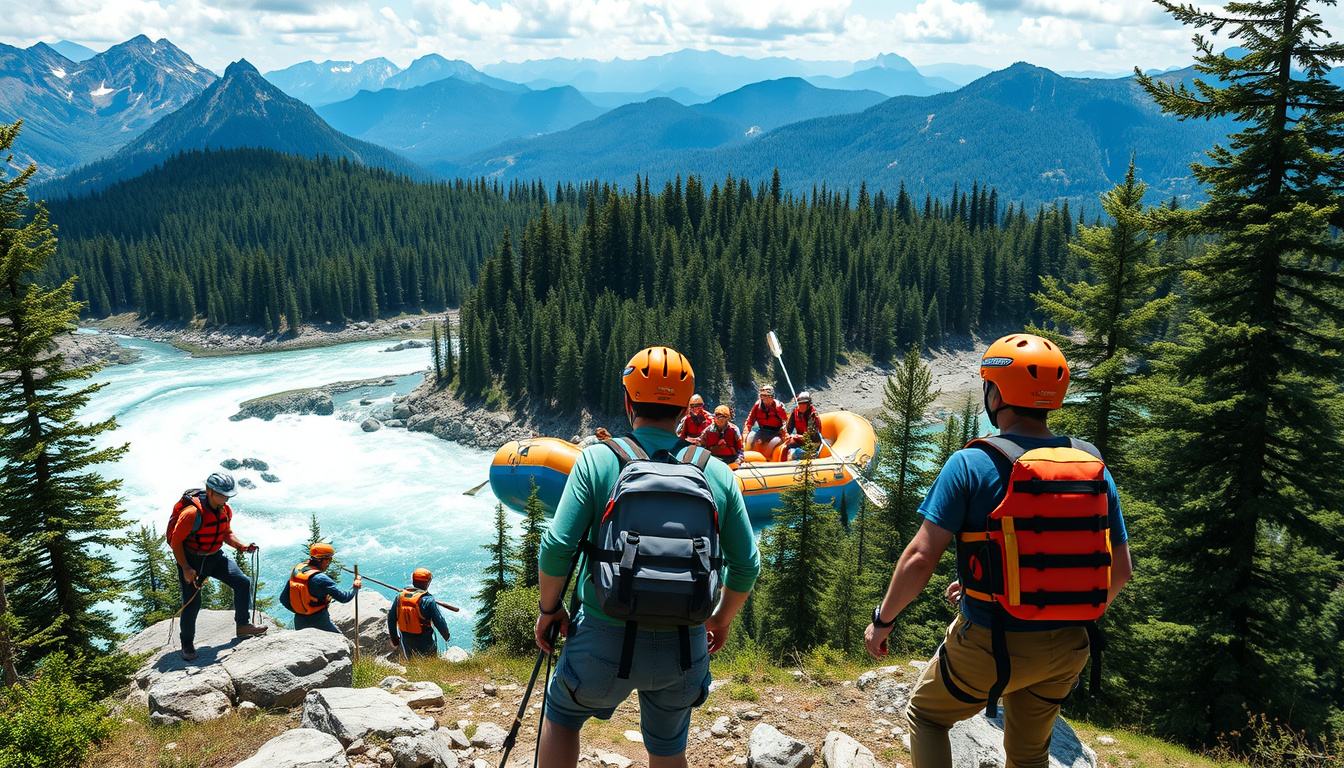
All travel involves some level of risk, but adventure travel introduces manageable risks that can be addressed with proper precautions. Most adventure operators have stringent safety protocols in place. For instance, white-water rafting companies provide life jackets, and mountain guides carry first-aid kits.
### Actionable Tips for Safe Adventure Travel
• Choose Reputable Operators: Research companies with positive reviews focusing on safety records.
• Follow Expert Instructions: Always listen to the safety briefings and guidelines provided by your guides.
• Understand Your Limits: Begin with beginner-level activities and gauge your comfort before progressing to more challenging options.
• Invest in Safety Gear: Use appropriate safety equipment as advised by your providers, including helmets, life jackets, and protective clothing.
### Conclusion
In summary, when asking how safe is adventure travel for beginners, the response is overwhelmingly positive if you choose wisely and prepare adequately. Adventure trips can open doors to personal growth, bonding experiences, and unforgettable memories. Safety is built into the adventure travel experience when done correctly. So if you’re a beginner eager for exploration, take the leap—your adventure awaits!
‘Adventure may hurt you, but monotony will kill you.’ – Marcus Purvis
Common Safety Concerns in Adventure Travel
Adventure travel can be an exhilarating experience, offering thrills that ignite the senses and create unforgettable memories. However, for beginners concerned about safety, it’s essential to address common safety concerns in adventure travel. Understanding these challenges can help you embark on your journey with confidence.
1. Physical Preparedness
One of the primary considerations is your physical fitness. Adventure activities often demand a certain level of endurance, strength, and agility. Before diving into activities like hiking, rock climbing, or kayaking, assess your current fitness level and engage in a training program to build the necessary stamina.
2. Equipment Quality
Ensuring that you have the right gear is crucial. Using high-quality, well-maintained equipment can significantly reduce safety risks. When choosing gear, prioritize trusted brands and conduct maintenance checks before your adventure. If you’re renting gear, verify that the rental company follows safety regulations.
3. Choosing the Right Adventure
Not all adventure activities are suitable for beginners. Opt for beginner-friendly excursions that offer guidance from experienced instructors. Activities like guided trekking in national parks or kayaking on calm waters serve as excellent starting points to ease into adventure travel.
4. Weather Preparedness
Weather can change rapidly, especially in mountainous or coastal areas. Always check forecasts and seasonal patterns prior to your trip. For example, the best time to explore the rugged beauty of Patagonia or the lush landscapes of Costa Rica is during their dry seasons, which minimizes risk while trekking or engaging in outdoor activities.
5. Know Personal Limitations
It’s vital to be realistic about your limits and communicate them to your guides if they’re present. For instance, if you’re feeling fatigued or unwell, speak up early, rather than pushing through. Guides, particularly in areas like the Swiss Alps or the Canadian Rockies, are trained to prioritize safety and can adjust plans accordingly.
6. Group Dynamics
Traveling with a group can enhance safety in adventure travel. Those who are more experienced can provide support and help novice adventurers feel more at ease. Before setting out, ensure that everyone knows each other’s strengths and weaknesses, fostering a cohesive team.
By addressing these safety concerns, beginners can mitigate risks associated with adventure travel and focus on the wonders that await. While the excitement of adventure travel is undeniable, knowledge and preparation are key to ensuring a safe and enjoyable experience.
Tips for Ensuring Safety During Your Adventure
Adventure travel can be an exhilarating way to explore the world, but many beginners often wonder, how safe is adventure travel for beginners? Safety is paramount when embarking on these exciting journeys. Here are some essential tips to ensure your adventures are enjoyable and secure:
1. Research Your Destination: Before you go, understand the local laws, customs, and potential hazards of the area. Websites like the U.S. Department of State provide travel advisories that can offer insights on the safety of your chosen destination.
2. Choose Reputable Tour Operators: If you’re uncomfortable venturing out on your own, consider booking with established tour companies that have high safety standards and good reviews.
3. Invest in Proper Gear: Ensure you have the appropriate equipment and gear for your activity, such as a helmet for cycling or waterproof bags for hiking. Brands like REI and Patagonia specialize in high-quality travel gear.
4. Stay Hydrated and Nourished: Dehydration and hunger can impair your decision-making ability. Make it a habit to carry sufficient water and snacks, particularly when engaging in activities like hiking in places such as the Appalachian Trail or trekking in Patagonian landscapes.
5. Communicate Your Plans: Always let someone know your itinerary, especially if you are venturing into remote areas. Utilizing apps like Share My Location can help family or friends keep track of your journey.
6. Be Aware of Your Surroundings: This includes not only your physical environment but also any potential threats from wildlife or natural disasters. For instance, be cautious of sudden weather changes in regions such as the Himalayas, and always heed local advice regarding wildlife encounters;
7. Trust Your Instincts: If something doesn’t feel right, whether it’s an activity you’re about to partake in or a situation you find yourself in, trust your gut and make a change if necessary.
By implementing these tips, travelers—especially those new to adventure travel—can significantly enhance their safety, ensuring that every trip is filled with exploration and discovery instead of worry. Adventure travel can be safe and thrilling for beginners if approached with the right precautions.
Choosing the Right Adventure Travel Company
## Choosing the Right Adventure Travel Company: How Safe is Adventure Travel for Beginners?
Adventure travel has increasingly captivated the hearts of many, with its promise of unique experiences in mesmerizing landscapes. But as enticing as these journeys may seem, a question many potential adventurers face is: how safe is adventure travel for beginners? The safety of any travel experience can often hinge on the choice of the adventure travel company. In this section, we will guide you through selecting the right travel company, ensuring your trip not only fulfills your adventurous spirit but also prioritizes your safety.
### Assessing Safety Standards
When looking for an adventure travel company, safety should be a priority. Here are several considerations to keep in mind:
• Accreditation: Select companies that are members of reputable organizations, such as the Adventure Travel Trade Association (ATTA), as they adhere to certain safety protocols.
• Experience and Reputation: Research the company’s history. Reading reviews from past clients can provide insight into their operational safety and reliability.
• Safety Procedures: Inquire about the safety measures they implement. Are their guides trained in first aid? Do they have contingency plans for emergencies?
• Group Size: Smaller group sizes often mean you can receive more personalized attention, which enhances safety, especially for beginners.
### Understanding Beginner-Friendly Adventures
For beginners, choosing the right level of adventure is crucial. Here are common adventure activities rated by safety levels:
1. Hiking and Trekking: Generally safe, with beginner trails available in locations like the Appalachian Trail in the USA or the Inca Trail in Peru.
2. White-Water Rafting: Opt for beginner-friendly rivers with Class I or II rapids for a feel of adventure without excessive risk; consider the Colorado River as a great option.
3. Cycling Tours: Urban cycling in cities like Amsterdam is often beginner-friendly, where traffic is manageable, and routes are well marked.
4. Camping: Many guided camping trips are designed for novices, ensuring proper gear and safety measures are in place; places like national parks often host such trips.
### Communicating Your Comfort Level
It’s essential to communicate openly with your chosen adventure travel company about your experience level and any safety concerns. Good companies will tailor activities to match the capabilities of the group and provide adequate preparation guidance.
### Final Thoughts on Safety in Adventure Travel
How safe is adventure travel for beginners? When you choose a reputed adventure travel company that prioritizes safety and communicates clearly, the risks become manageable, allowing you to fully immerse in the wonder of your journey. With thorough research, transparent communication, and proper planning, adventure travel can be a safe, rewarding experience for any beginner.
Preparing Mentally and Physically for Your Adventure
Embarking on an adventure travel journey can be both exhilarating and daunting, especially for beginners wondering, ‘How safe is adventure travel for beginners?’ Preparing mentally and physically is critical to ensure you enjoy a fulfilling experience while staying safe. First, understand that safety in adventure travel is significantly influenced by preparation, awareness, and responsible choices.
### Mental Preparation
1. Research Your Destination: Begin by learning about your chosen destination. Understand the local culture, environmental conditions, and any potential risks. For example, if you’re planning a hiking trip in the Swiss Alps, familiarize yourself with the terrain, weather patterns, and safety protocols.
2. Set Realistic Expectations: Adventure travel can often be unpredictable, and it’s essential to mentally prepare for challenges such as weather changes, physical exertion, or unexpected delays. Embrace a flexible mindset.
3. Learn Stress Management Techniques: Practicing mindfulness, meditation, or yoga can help reduce anxiety as you prepare for your trip. These techniques can also enhance mental clarity during your adventures.
### Physical Preparation
1. Build Endurance: Depending on the nature of your adventure, begin a fitness routine that builds strength and stamina. Activities such as hiking practice, swimming, or cycling can significantly improve your physical readiness.
2. Know Your Limits: It’s crucial to acknowledge your fitness level and choose activities that suit your ability. If rock climbing seems out of reach, opt for guided excursions that match your skills, like kayaking in the crystal-clear waters of Croatia.
3. Safety Equipment Familiarization: If your adventure includes specific gear such as helmets, harnesses, or GPS devices, take the time to familiarize yourself with each item before your trip. Knowing how to use your equipment effectively can prevent accidents and enhance your safety abroad.
### Conclusion
Ultimately, understanding ‘How safe is adventure travel for beginners?’ involves recognition of your preparation efforts and adopting proactive strategies. By mentally preparing, setting realistic expectations, and ensuring you have the physical capability for your planned activities, you can significantly enhance your safety and overall experience. Thus, whether you are trekking through the lush forests of Costa Rica or scaling the peaks of Peru, your adventure will not only be thrilling but also safe and enriching.
Frequently Asked Questions
What is adventure travel and what types are available for beginners?
Adventure travel involves activities that are physically engaging and often take place in natural environments. Types suitable for beginners include hiking, kayaking, and guided bicycle tours.
What are the benefits of adventure travel for beginners?
Adventure travel can enhance physical fitness, boost confidence, create lasting memories, and foster connections with nature and other travelers.
What are common safety concerns for beginners in adventure travel?
Common concerns include the risk of injury, getting lost, misjudging physical abilities, and environmental hazards like weather changes.
How can beginners ensure their safety during adventure travel?
Beginners should start slowly with easier activities, always follow safety guidelines, travel with a reliable group or guide, and stay alert to their surroundings.
How do I choose the right adventure travel company?
Look for companies with positive reviews, experienced guides, clear safety policies, and tailored programs for beginners.