
Traveling is more than just visiting new places; it’s about immersing oneself in the heart and soul of local cultures. If you’re eager to learn how to experience local culture while traveling, this guide will provide you with practical insights to enrich your journeys. Discovering local customs, savoring authentic cuisine, participating in cultural events, exploring historical sites, connecting with the community, and choosing the right accommodations can create meaningful connections during your travels. Let’s embark on this adventure together and uncover the essence of the places you visit.
Key Takeaways
- Research local customs to respect and immerse yourself in the culture.
- Savor traditional dishes to connect with the culinary heritage of your destination.
- Attend local festivals to experience the vibrant traditions and community spirit.
- Visit historical sites and museums to gain insight into the region’s past.
- Engage with locals through community activities for meaningful cultural exchange.
Understanding Local Customs and Traditions
When exploring the query of how to experience local culture while traveling, it’s crucial first to understand that local customs and traditions form the backbone of any destination. Engaging with these cultural nuances not only enhances your travel experience but also supports sustainable tourism. Here are some recommendations on how to immerse yourself in local cultures:
1. Participate in Festivals and Events: Align your travel schedule with local festivals. For example, visiting Rio de Janeiro during Carnival offers vibrant parades and traditional music, while participating in the Lantern Festival in Taiwan provides insight into meaningful customs.
2. Take Part in Craft Workshops: Engage in creative workshops such as weaving in Guatemala or pottery in Japan. You will not only learn a skill but also understand the historical significance behind these crafts.
3. Enjoy Local Cuisine: Savoring traditional dishes is one of the most delightful ways to experience local culture. Consider taking a cooking class in Italy to learn about regional ingredients, or join a street food tour in Bangkok to discover Thai flavors.
4. Stay with Locals: Consider homestays or bed and breakfasts over hotels to foster interaction with local families, gaining insights into daily life and customs. Platforms like Airbnb often feature options that include meals and cultural exchanges.
5. Learn Key Phrases in the Local Language: Making an effort to learn a few basic words or phrases can go a long way in connecting with locals. Even simple greetings can lead to genuine interactions and reflect respect for the culture.
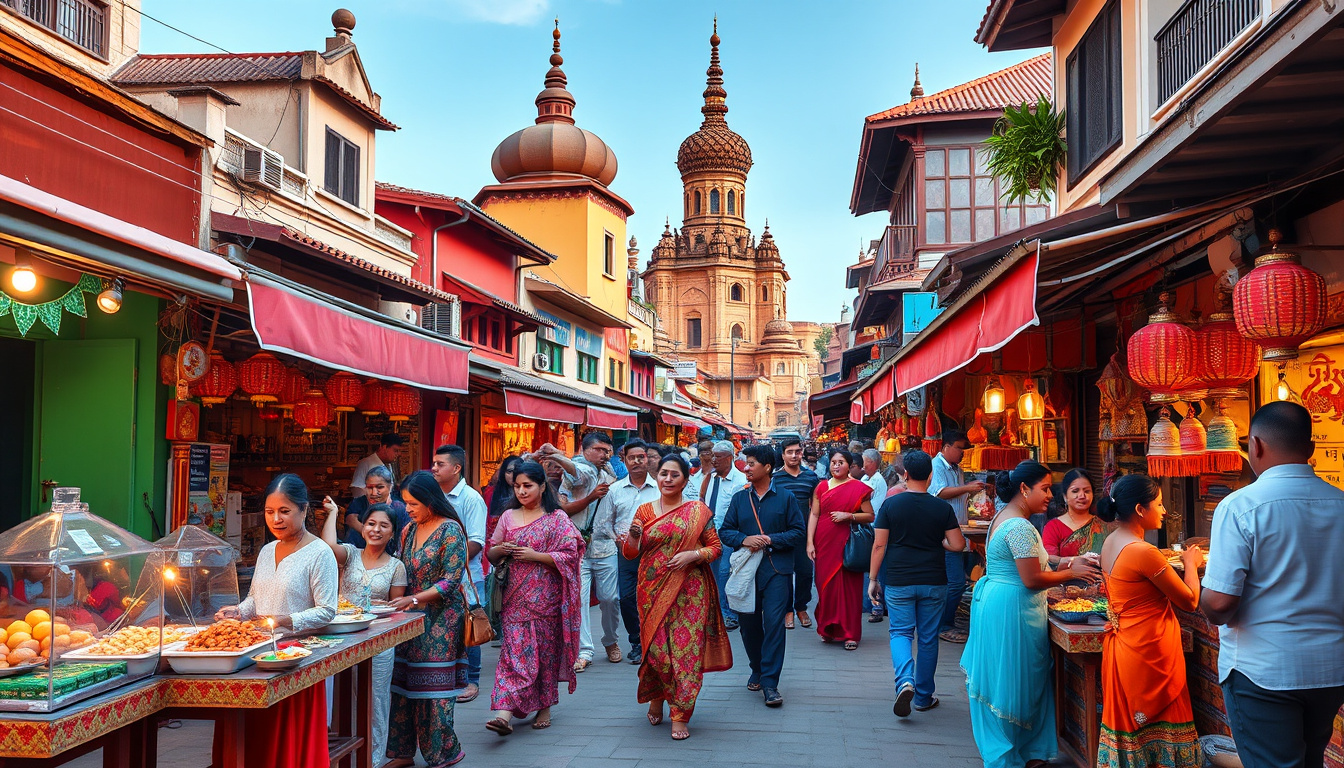
6. Visit Local Markets and Shops: Spend time in local markets to see everyday life. You can discover handmade products, barter for goods, and even learn about the significance of different items to the local culture.
Combining these methods will not only enrich your travel experience but also promote a deeper understanding and appreciation of the exquisite tapestry of global cultures.
Engaging with Local Cuisine
### Engaging with Local Cuisine
One of the most effective ways to experience local culture while traveling is through its food. Culinary traditions reflect the history, geography, and social fabric of a community, offering a unique lens into local customs and everyday life.
#### Savor Authentic Local Dishes
Start your journey with a willingness to explore authentic local dishes. Visit local markets, cooking classes, or family-owned restaurants that boast traditional menus. Countries like Italy are famed for their pasta dishes, while Japan prides itself on sushi and ramen. Try dishes such as:
• Tagine in Morocco – a slow-cooked stew made in a traditional earthenware pot.
• Peking Duck in China – a celebrated dish known for its crispy skin and flavorful meat.
• Ceviche in Peru – fresh fish cured in citrus juices, representing the coastal essence.
#### Participate in Food Tours
Consider joining guided food tours. These excursions not only introduce you to local cuisine but also weave in stories about the local culture and traditions. Cities like Bangkok, Ho Chi Minh City, and Barcelona offer vibrant food tours that take you from street food stalls to gourmet eateries. Engage with local vendors and chefs; their stories often provide a deeper understanding of what you’re tasting.
#### Attend Cooking Classes
Take your culinary exploration a step further by participating in a cooking class. This interactive experience allows you not only to learn recipes but also to engage directly with local ingredients and cooking methods. Whether it’s mastering the art of making paella in Spain or crafting homemade dumplings in Vietnam, cooking classes deepen your connection to the culture.
#### Dine at Community Events
Look for local food festivals or community gatherings. Events like the La Tomatina in Spain or the Oktoberfest in Germany bring locals together over shared meals and beverages, creating an inviting atmosphere for travelers. Here, you can enjoy traditional dishes while experiencing local music, dance, and customs.
Embracing local cuisine isn’t just about taste; it’s an immersive journey into the heart of a culture. Each dish tells a story, making it one of the most enriching aspects of how to experience local culture while traveling.
‘Traveling – it leaves you speechless, then turns you into a storyteller.’ – Ibn Battuta
Participating in Cultural Events and Festivals
# How to Experience Local Culture While Traveling
Traveling is not just about visiting new places; it’s about immersing yourself in different cultures and experiencing the unique traditions that define a destination. Participating in cultural events and festivals stands out as one of the most enriching ways to connect with a local community. Here’s a comprehensive guide on how to experience local culture while traveling through vibrant festivals and events from around the world.
## The Importance of Cultural Festivals
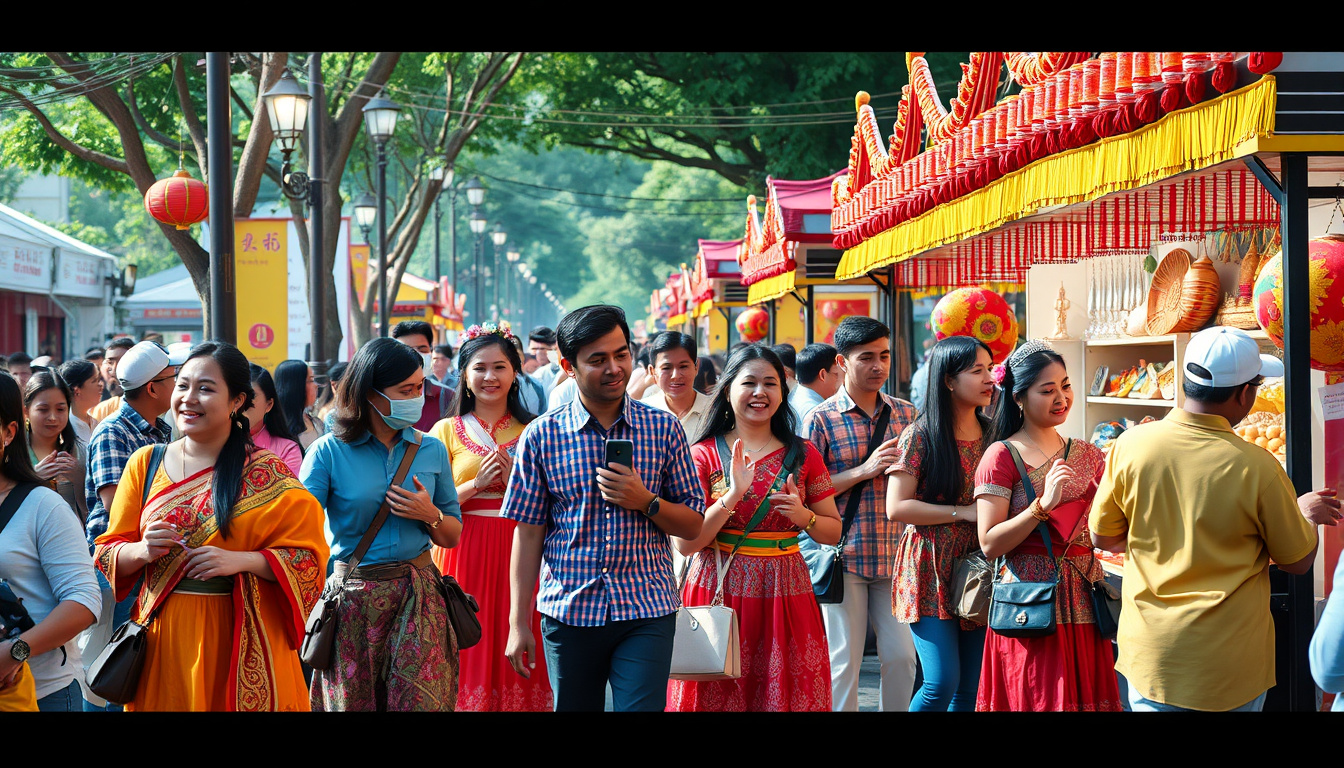
Cultural festivals serve as a bridge between tourists and locals, offering a glimpse into the heart and soul of a community. These events often showcase traditional music, art, dance, food, and local crafts, providing travelers with the opportunity to learn about customs and way of life firsthand. Whether it’s the Semana Santa in Seville, Spain, featuring breathtaking religious processions, or the colorful Holi festival in India that celebrates the arrival of spring, these gatherings are perfect windows into the rich tapestry of a place.
### Tips for Engaging with Local Culture
1. Research Before You Go: Look up festivals and events that coincide with your travel dates. Websites like local tourism boards, travel blogs, or platforms like Eventbrite can highlight upcoming cultural happenings.
2. Stay with Locals: Opt for home stays or local guesthouses rather than international hotel chains. This can provide insights and recommendations from your hosts about cultural events in the area.
3. Volunteer: Many festivals seek volunteers to help with preparations and activities. This offers an immersive experience and can create connections with locals.
4. Participate Actively: Engage with the event fully—dance, eat, and converse. Attend workshops or classes offered during the festival to learn traditional crafts or cuisines.
5. Respect Local Customs: Each culture has its own set of customs. Take the time to learn about the etiquette and traditions associated with the festival to avoid unintentional disrespect.
### Notable Cultural Festivals Around the World
• Rio Carnival, Brazil: Known for vibrant parades, samba music, and elaborate costumes, Rio Carnival transforms the city into a euphoric celebration of culture and dance every February.
• Oktoberfest, Germany: Held annually in Munich, this 16- to 18-day festival celebrates German beer culture, featuring traditional food, music, and performances.
• Diwali, India: The Festival of Lights, celebrated by millions across India, is marked by fireworks, feasts, and family gatherings, creating a joyous atmosphere in October or November.
• Chinese New Year, China: A spectacular blend of tradition and festivity, this event includes dragon parades, lantern lighting, and family reunions, showcasing the rich cultural history of China.
## Embracing Local Traditions
Connecting with local culture also means embracing the everyday traditions that may not be festival-centric:
• Visit Local Markets: Explore farmers’ markets or artisan’s fairs where you can taste regional foods and purchase handcrafted goods.
• Take Part in Cooking Classes: Engage with local chefs to learn traditional recipes and cooking techniques using locally sourced ingredients.
• Attend Religious Ceremonies: Participate respectfully in local religious ceremonies or rituals with the permission of the community, enhancing your understanding of the local spirituality.
## Conclusion
Knowing how to experience local culture while traveling takes keen awareness and genuine curiosity. By participating in local festivals and embracing everyday traditions, you enrich your travel experience beyond typical sightseeing. Festivals serve as an extraordinary portal to understand the values, beliefs, and practices of the locals. So pack your bags, join the festivities, and let each culture you encounter leave an indelible mark on your journey.
—
### Frequently Asked Questions (FAQ)
#### What are some tips for finding cultural festivals while traveling?
Look into local tourism websites, social media groups, or apps that specialize in local events to find festivals happening during your visit.
#### How can I respectfully participate in cultural events?
Do some research on customs and rituals associated with the event, seek permission if necessary, and engage with an open mind and appreciation.
#### Are there any downsides to touristy festivals?
Yes, sometimes they become overly commercialized, losing their authenticity. Try to look for smaller, community-driven events for a more genuine experience.
#### How can I learn about local customs?
Interacting with locals, asking questions during your visit, and reading books or articles about the culture can provide helpful insights.
#### What is the best way to document my experiences?
Journaling daily, taking respectful photos, and collecting small souvenirs can help preserve those memories.
### Summary
Experiencing local culture while traveling is a fulfilling journey that goes beyond conventional tourism. Engaging in cultural festivals and traditions deepens your understanding of the world and its diverse communities. By actively participating and respecting local customs, you can create a more meaningful travel experience. Explore similar Bimoseto topics to continue your cultural journey and inspire future travels!
Exploring Historical Sites and Museums
## Exploring Historical Sites and Museums
When it comes to how to experience local culture while traveling, immersing yourself in historical sites and museums is an unparalleled way to connect with the heart of a destination. These venues not only showcase artifacts but also narrate the stories of the people who’ve shaped their regions. From ancient ruins to contemporary art galleries, the options are boundless. Here’s how you can make the most of your visits to these cultural treasures:
### Choose the Right Historical Sites
• Research in Advance: Before setting out, research significant historical sites in your destination. Look for places that highlight the local heritage and identity. For instance, the Acropolis in Athens offers insights into ancient Greek civilization, while the Great Wall of China tells tales of dynastic fortitude.
• Local Recommendations: Engage with locals or travel forums to get tips on lesser-known sites that might provide a more authentic experience away from tourist hubs.
### Connect with Guided Tours
• Local Tour Guides: Hiring a knowledgeable local guide can help you uncover hidden gems and nuanced stories behind historical landmarks. For example, a guided walk through the Old Town of Prague can reveal the city’s rich tapestry of history that textbooks often miss.
• Thematic Tours: Look for themed tours focused on specific aspects of culture such as food, art, or architecture. These can lead to a multifaceted understanding of the locale.
### Engage with Interactive Exhibits
• Museums with Interactive Displays: Opt for museums that offer interactive exhibits. Institutions like the Smithsonian National Museum of American History in Washington, D.C., engage visitors through hands-on experiences that resonate more than traditional viewing.
• Workshops and Demonstrations: Participate in workshops that allow you to learn local crafts or cooking techniques, such as a pottery class in a traditional Japanese studio or a pasta-making workshop in an Italian kitchen.
### Attend Local Cultural Events
• Festivals and Exhibitions: Check the local calendar for cultural festivals or temporary exhibitions at museums. Events such as La Tomatina in Spain or the Diwali Festival in India offer a vibrant glimpse into local customs.
• Live Performances: Attend a local concert, theater play, or dance performance. These immersive experiences can provide insights into the artistic heritage and contemporary expressions of the local culture.
### Document and Share Your Experience
• Journaling: Take time each day to jot down your thoughts and observations. Reflecting on your experiences can deepen your connection to the culture you’re exploring.
• Photography: Capture images not just of the sights but also of the locals you interact with. Always ask for permission, as this builds respect and rapport, which can further enrich your travel experience.
In conclusion, by exploring historical sites and museums, engaging with locals, participating in cultural events, and documenting your journey, you can truly experience local culture while traveling. Each destination offers a unique narrative waiting to be discovered, making your travels not only enjoyable but profound.
Connecting with Locals Through Community Activities
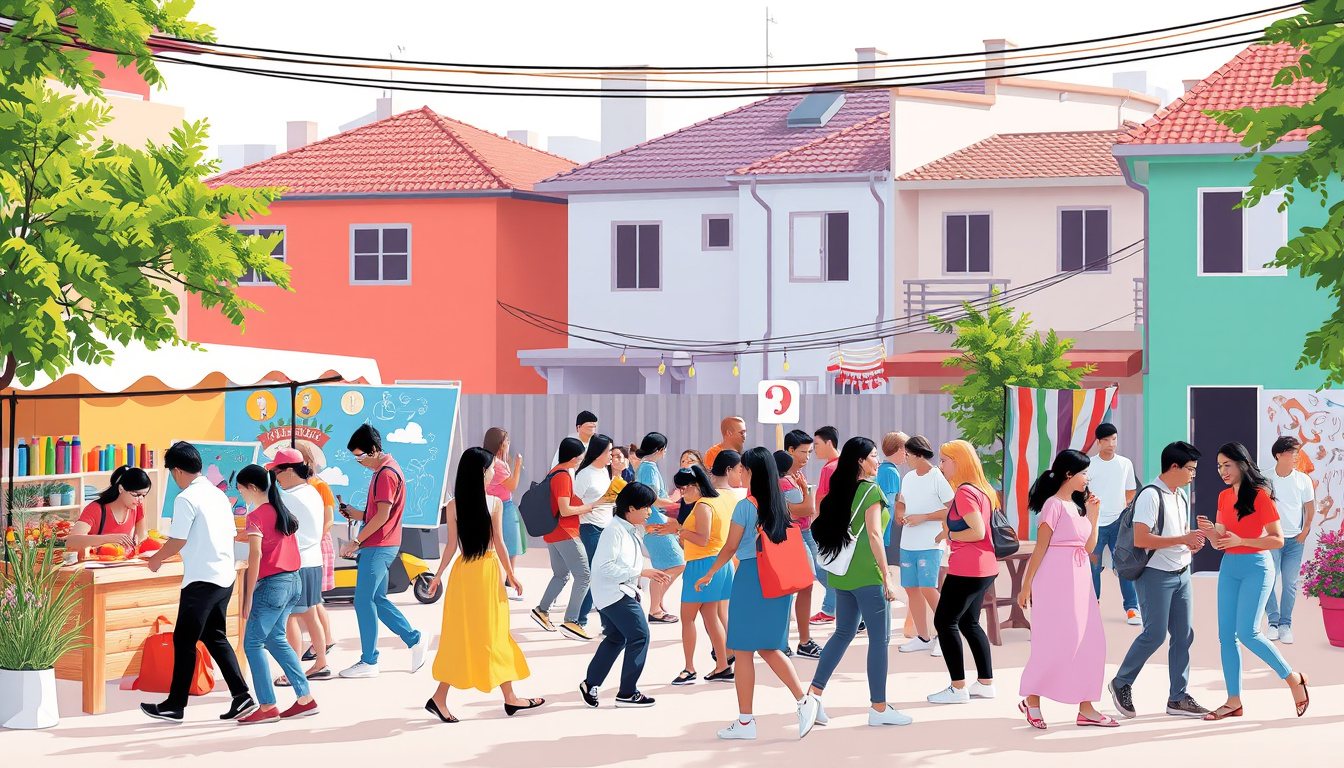
Traveling is about more than just visiting new destinations; it’s about immersing yourself in the local culture and forming connections with the places you explore. If you’re wondering how to experience local culture while traveling, engaging in community activities is one of the most enriching ways to do so. Not only does this approach provide a deeper insight into the everyday lives of the locals, but it also allows for genuine interactions that often lead to unforgettable experiences. Here are several actionable suggestions to help you connect with communities around the world, enhancing your journey with authentic cultural exchanges.
1. Take Part in Local Festivals and Events
Attend local festivals, fairs, or seasonal celebrations to experience cultural practices and traditions firsthand. For instance, if you’re in India during Diwali, you can witness vibrant displays of lights, food, and music that form the essence of this joyous festival.
2. Join Community Workshops
Participate in workshops to learn traditional crafts, cooking, or music. In Thailand, you can join a cooking class where locals share family recipes and the history behind the dishes, making for both a delicious meal and a culturally rich experience.
3. Volunteer with Local Organizations
Engage with the community by volunteering. Opportunities such as assisting at local NGOs, conservation projects, or educational programs provide meaningful interactions with locals. In Costa Rica, for example, volunteering at a wildlife refuge allows you to meet locals working tirelessly to preserve biodiversity.
4. Stay with Locals
Accommodation can shape your travel experience immensely. Choose homestays or local guesthouses where you can share meals and stories with your hosts. In Kyoto, staying at a ryokan (traditional inn) gives you an opportunity to experience Japan’s history and hospitality firsthand.
5. Explore Local Markets
Visiting farmers’ markets or street fairs lets you taste local produce and interact with artisans. In Marrakech, the bustling Jemaa el-Fnaa market is a sensory-rich experience—and a great place to learn about Moroccan spices, crafts, and street food directly from the creators.
6. Attend Language Classes
Learning a few local phrases can go a long way in making connections. Language schools often organize cultural outings to observe local customs, like traditional dance or music performances, which enhances your travel experience.
Incorporating these strategies into your travel itinerary can significantly enrich your journey. By focusing on how to experience local culture while traveling through community activities, you’ll not only forge deeper connections but also foster mutual respect and understanding between cultures.
Choosing Authentic Accommodations and Experiences
## Choosing Authentic Accommodations and Experiences
When traveling, one of the most enriching aspects is immersing yourself in the local culture. But how to experience local culture while traveling can often feel overwhelming, especially in a world where commercialization tends to dull authenticity. With thoughtful choices regarding your accommodations and activities, you can embrace the true spirit of your destination. Here are some essential tips to help you select authentic experiences that foster genuine connections with local communities:
### Stay with Locals
• Homestays: Opt for homestays instead of traditional hotels. Platforms like Airbnb and Couchsurfing connect travelers with locals willing to offer a room in their home. This arrangement fosters deeper interactions as hosts often share meals, stories, and tips about the region.
• Guesthouses: Look for family-run guesthouses or B&Bs rather than large chain hotels. These places frequently provide not only a bed but also enriching experiences, such as local cuisine cooking classes, guided market tours, or craft workshops.
### Participate in Cultural Workshops
• Cooking Classes: Engage in a cooking class to learn how traditional dishes are prepared in your visited country. Whether it’s pasta-making in Italy, sushi rolling in Japan, or paella in Spain, these classes often teach history alongside culinary techniques.
• Art and Handicraft Sessions: Sign up for workshops led by local artisans to learn traditional crafts like pottery, weaving, or painting. Not only will this support local artists, but it will also provide insight into the cultural significance of these art forms.
### Explore Local Markets and Neighborhoods
• Street Markets: Visit open-air markets, farmers’ markets, or street food fairs where you can taste local flavors, meet vendors, and experience local life. Cities like Bangkok and Marrakech buzz with energy in their markets, offering an authentic slice of local living.
• Less Touristy Areas: Wander away from popular tourist attractions to lesser-known neighborhoods. Areas like Tbilisi in Georgia or the Marais in Paris have rich local identities that will immerse you in daily life.
### Attend Festivals and Events
• Cultural Festivals: Engaging in local festivals is an excellent way to absorb cultural traditions and celebrations. Seek out events such as Holi in India, La Tomatina in Spain, or Carnival in Brazil, which immerse visitors in the vibrancy of local customs.
• Community Involvement: Check local community boards or social media groups to find happenings that allow travelers to participate in communal activities, from beach clean-ups to neighborhood art walks.
### Engage with the Local Community
• Volunteer Opportunities: Consider volunteering during your travels. Platforms such as Workaway or WWOOF provide opportunities to work with local communities on projects such as environmental sustainability or teaching English. This not only connects you with locals but allows you to contribute meaningfully.
• Guided Tours by Locals: Hire local guides who can offer insights beyond typical tourist narratives. Look for tours that focus on specific interests, such as history, food, or social issues, to gain a deeper understanding of the place you’re visiting.
By embracing authentic accommodations and experiences, you can create memorable journeys that resonate long after your trip ends. Through genuine interactions, culinary adventures, and cultural immersion, you’ll not only learn about your destination but also appreciate the rich tapestry of humanity that makes travel so fulfilling.
Frequently Asked Questions
What are some ways to learn about local customs and traditions while traveling?
You can learn about local customs and traditions by researching the destination beforehand, attending workshops or cultural classes, and conversing with locals to gain deeper insights into their way of life.
How can I engage with local cuisine when visiting a new place?
To engage with local cuisine, try dining at family-owned restaurants, taking cooking classes, and visiting local markets to taste and buy authentic ingredients and dishes.
What types of cultural events and festivals should I look for when traveling?
Look for traditional festivals, local fairs, art showcases, music concerts, and dance performances that reflect the culture of the area, and be mindful of their dates to plan your visit accordingly.
Are there specific historical sites or museums I should prioritize to understand the local culture?
Yes, prioritize visiting sites significant to the region’s history, such as monuments, heritage centers, and museums that provide context about the local culture and its evolution over time.
How can I connect with locals through community activities during my travels?
You can connect with locals by participating in community service projects, joining group activities like dance or sports, signing up for local tours, or using platforms that facilitate cultural exchanges.