
In recent years, a distinctive trend has emerged in the realm of travel: art focused travel. With a growing fascination for cultural experiences and an eagerness to appreciate creativity across borders, travelers are increasingly seeking journeys that celebrate artistic expression. But why is art focused travel growing? This article delves into the rise of art tourism, its cultural significance, the influence of social media, and the destinations that are leading the charge in this enriching movement. Join us as we explore the remarkable impact of art on travel and envision the future of art-centric experiences.
Key Takeaways
- Art tourism is experiencing significant growth as travelers seek deeper cultural experiences.
- Cultural immersion has become a primary motivation for many modern travelers seeking art-focused trips.
- Social media plays a crucial role in promoting art destinations and inspiring travel plans.
- Cities around the world are increasingly becoming art-centric travel hubs, attracting art enthusiasts.
- The economic impact of art tourism is substantial, benefiting local communities and artists alike.
The Rise of Art Tourism
# The Rise of Art Tourism: Why Art-Focused Travel is Growing
As global travel trends evolve, art tourism has emerged as a prominent player in the travel industry. This growing niche invites travelers to explore the cultural richness and artistic heritage of destinations worldwide. So, why is art-focused travel booming?
## The Allure of Cultural Immersion
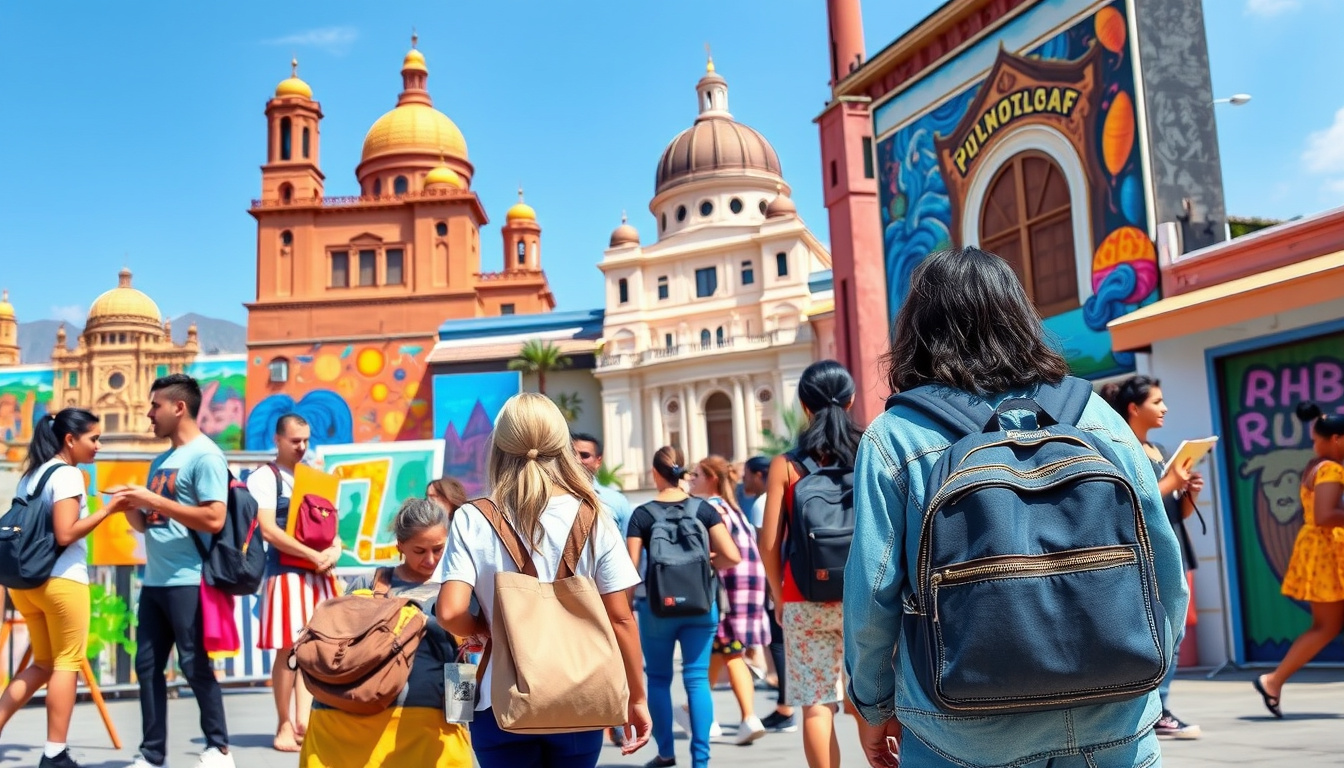
Modern travelers seek more than just picturesque views; they desire authentic experiences that engage their senses and resonate on a deeper emotional level. Art tourism offers a perfect blend of cultural immersion and creative exploration. Travelers can stroll through world-renowned museums, interact with local artisans, or attend vibrant street art events, thus enriching their understanding and appreciation of diverse cultures.
## Global Artistic Hubs
Cities like Paris, Florence, New York, and Tokyo are well-known for their art scenes, drawing millions of visitors annually. Museums such as The Louvre or The Museum of Modern Art (MoMA) are not just tourist hotspots; they serve as gateways to understanding history, social issues, and the evolving nature of creativity. Such destinations become living classrooms, where artists and enthusiasts can connect and collaborate.
## Wellness and Creativity
There’s a growing recognition of the link between art and wellness, prompting many to explore artistic pursuits as part of their travel experiences. Workshops focusing on painting, pottery, or photography are increasingly integrated into wellness retreats, allowing travelers to tap into their creative side while promoting mental health. Whether it’s joining an art retreat in Costa Rica or taking a ceramics class in Kyoto, merging art with wellness is a significant draw for many travelers.
## Engaging with Local Art
Art tourism often involves engaging directly with local communities, fostering appreciation for indigenous cultures and their artistic expressions. For example, visitors to Cape Town can participate in township tours that spotlight local murals and street art, engaging with the stories and lives of the artists in the process. Such experiences deepen the traveler’s connection and understanding of the destination, promoting responsible and sustainable tourism.
## Technology’s Role in Art Tourism
With the rise of digital technology and social media, art has become more accessible than ever. Virtual tours and online exhibitions allow budding art travelers from around the world to explore galleries and museums, showcasing their collections and stories without leaving home. This technological access often inspires people to seek real-life experiences, leading to a surge in travel focused on art.
## A Focus on Unique Experiences
Travelers increasingly favor unique, personalized experiences over traditional sightseeing. Curated art tours and experiences can range from behind-the-scenes museum access to private viewings of local studios. Platforms like Airbnb Experiences offer opportunities to connect with local artists, fostering memorable interactions that are increasingly sought after by today’s discerning travelers.
## Conclusion
The rise of art tourism underscores a transformative shift in how we perceive travel. As travelers increasingly seek connections with culture and creativity, art-focused journeys are likely to continue gaining momentum. By exploring the rich artistic landscapes of our world, individuals not only feed their wanderlust but also nurture their souls, creating enriching travel tales that inspire others. So next time you plan a trip, consider diving into the vibrant world of art—it could be the journey that transforms your understanding of the world around you.
Cultural Immersion: A New Trend in Travel
### Cultural Immersion: A New Trend in Travel
In recent years, the phenomenon of art-focused travel has gained significant traction among travelers seeking more than just picturesque landscapes and historic landmarks. This shift toward deeper cultural immersion is a response to the desire for authentic connections and experiences that resonate with the soul. Why art-focused travel is growing can be attributed to several factors, including an increased appreciation for local cultures, the international rise of social media showcasing unique art, and the wellness benefits derived from engaging with artistic communities.
1. Stronger Connections: Many travelers are now inclined to learn from local artists and artisans, which cultivates a sense of community and belonging. By participating in workshops or attending local exhibitions, visitors can form lasting memories that are much more impactful than traditional tourist experiences.
2. Social Media Influence: Platforms like Instagram and Pinterest promote visually rich content, nudging travelers toward destinations that emphasize art and culture. Travelers often seek out locations that appear in curated feeds, resulting in increased footfall to galleries, street art murals, and art installations.
3. Educational Expeditions: As educational travel continues to gain momentum, art-focused journeys include guided tours that educate participants about local history, cultural practices, and specific artistic techniques, enriching their travel experience.
4. Therapeutic Aspects: Wellness travel is yet another dimension influencing this trend. Engaging with art therapy sessions, local crafts, or participating in cultural exchanges serves as both a relaxing and enlightening retreat.
Destinations like Florence, Italy, famous for its Renaissance art, and Kyoto, Japan, known for traditional crafts, are perfect examples of places that embrace art-focused tourism. Here, travelers can indulge in local art forms while basking in the cultural idiosyncrasies of each location. Whether it’s taking a pottery class in Mexico, exploring the vibrant street art of Berlin, or participating in a dance workshop in Brazil, art travel fosters creative expression and nurtures the traveler’s spirit.
‘Art is the most beautiful of all lies; it unites us all across cultures, times, and geographies.’
Impact of Social Media on Art Travel
## Why Art-Focused Travel is Growing: The Impact of Social Media on Art Travel
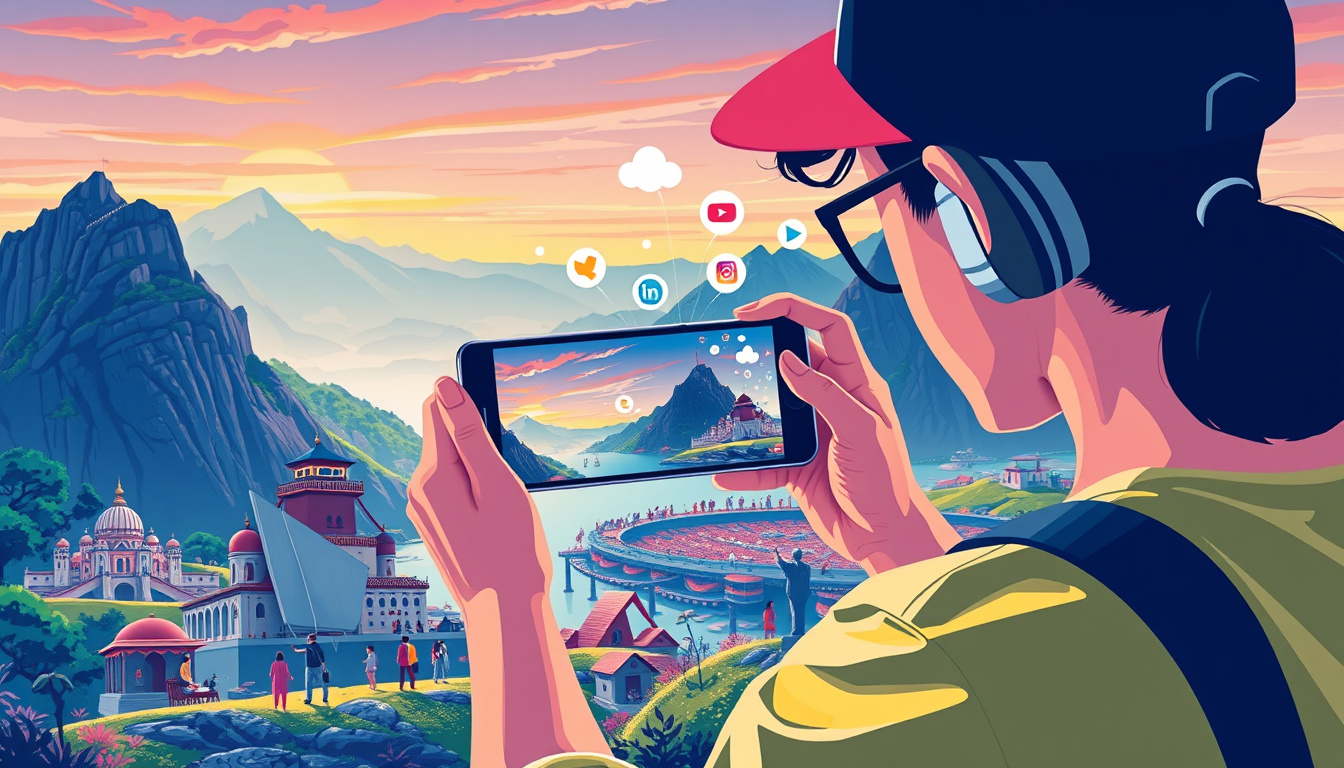
In recent years, the rise of social media has had a profound impact on the way travelers engage with art and culture around the world. The growth of platforms like Instagram, Pinterest, and TikTok has transformed art-focused travel from a niche interest into a mainstream phenomenon. Not only do digital platforms offer instant access to stunning visuals, but they also foster a vibrant community where art enthusiasts can share experiences, recommendations, and inspiration.
### Visual Influence
Social media’s emphasis on visual storytelling has made art more accessible. Users scroll through captivating images of street murals in Berlin, classical masterpieces in Florence, or contemporary galleries in Tokyo. The virtual exposure entices travelers to seek out these art destinations. Notably, places that might have gone unnoticed are now becoming must-visit locations because of viral posts showcasing their artistic treasures.
### Destination Discovery
Travelers increasingly rely on hashtags such as #ArtTravel, #ArtLover, or #InstaArt to discover new locales. This sharing economy allows users to curate travel itineraries based on the latest trends suggested by their peers. As art events garner attention online, such as the Venice Biennale or Art Basel, travelers are more motivated to immerse themselves in these cultural highlights.
### Community Engagement
Social media platforms not only promote visual content but they also foster community engagement. Art-focused travel groups, Instagram pages dedicated to specific destinations, and hashtags serve to unite like-minded individuals seeking to delve deeper into the artistic soul of each city. This connection enhances the travel experience, encouraging organic collaborations, art tours, and workshops that travelers may not have considered before.
### Inspiration for Personal Exploration
The personal nature of social media encourages travelers to explore art from a personal perspective. Users are inspired to delve into local culture, engaging with artists and communities that reflect their artistic passions. As stories unfold through shared experiences, travelers learn to appreciate art not merely as observers but as participators who contribute to the local narrative.
### Conclusion
The growth of art-focused travel is undoubtedly intertwined with the influence of social media. As platforms continue to evolve, they will undoubtedly create even more opportunities for travelers to discover, engage, and immerse themselves in the world of art. When planning your next journey, consider not just the destinations but the vibrant communities of artists and art lovers you can connect with along the way. This newfound synergy between art and travel promises enriching experiences for all.
Destinations Leading the Art Focused Travel Movement
## Destinations Leading the Art-Focused Travel Movement
Art-focused travel is gaining significant traction among globetrotters, as more individuals seek immersive experiences that go beyond traditional sightseeing. This uptick can be attributed to the growing desire for cultural enrichment and personal growth through creativity. Let’s explore some of the premier destinations leading this shift and delve into why art-focused travel is growing.
###
1. Barcelona, Spain
Barcelona is a vibrant hub of creativity, renowned for its stunning architecture influenced by the legendary Antoni Gaudí. From the eccentric Sagrada Familia to the whimsical Park Güell, the city is a feast for the eyes. Travelers can engage in art workshops, participate in local festivals like Festes de la Mercè, and visit contemporary art spaces such as the MACBA (Museum of Contemporary Art of Barcelona).
###
2. Florence, Italy
Often considered the cradle of the Renaissance, Florence showcases iconic artworks from masters like Michelangelo and Botticelli. The Uffizi Gallery holds a vast collection of art that invites exploration. Additionally, hands-on painting courses in local studios can provide deeper insight into the techniques that shaped Italian art history.
###
3. Kyoto, Japan
Home to ancient temples and serene gardens, Kyoto offers an enchanting blend of traditional and modern art. Visitors can participate in tea ceremonies, calligraphy classes, or pottery workshops that reflect the essence of Japanese culture. Art-themed tours that explore the city’s historical sites enhance the appeal of this destination.
###
4. Mexico City, Mexico
Known for its rich art scene, Mexico City celebrates both contemporary and traditional art forms. From the intriguing murals of Diego Rivera at the National Palace to the dynamic exhibits at the Museo Jumex, travelers can experience a wealth of artistic expressions. Engaging in street art tours or local craft workshops can provide a unique perspective on the city’s vibrant culture.
###
5. Sydney, Australia
With its thriving arts community, Sydney attracts art lovers from all over the globe. The Sydney Opera House itself is an architectural masterpiece that hosts numerous performances. Visitors can explore the Art Gallery of New South Wales and participate in art festivals, such as the Biennale, which features work from international artists.
### Why Art-Focused Travel is Growing
This trend is not just about visiting museums; it’s about forging a connection with the work and artists behind it. Enthusiasts are increasingly seeking personalized experiences that allow for interaction with the local community and exploration of their artistic expressions. The rise of social media also plays a pivotal role, as travelers share their unique artistic encounters, inspiring others to pursue similar journeys.
Additionally, wellness-oriented travelers recognize the therapeutic benefits of art. Engaging with creative processes can foster emotional healing and mindfulness, further propelling art-focused travel as a preferred avenue for exploration.
As you plan your next adventure, consider incorporating art-focused experiences into your itinerary. Not only will you enrich your understanding of diverse cultures, but you will also have the opportunity to create lasting memories through your engagement with art.
The Economic Benefits of Art Tourism
As global travel continues to evolve, many travelers are increasingly gravitating toward experiences that integrate cultural enrichment with adventure. Art focused travel is one such trend, flourishing as individuals seek to immerse themselves in the creativity and beauty that different destinations have to offer. But why is art focused travel growing? The answer lies in a blend of economic benefits that this niche of tourism brings both to travelers and host communities.
###
1. Boosting Local Economies
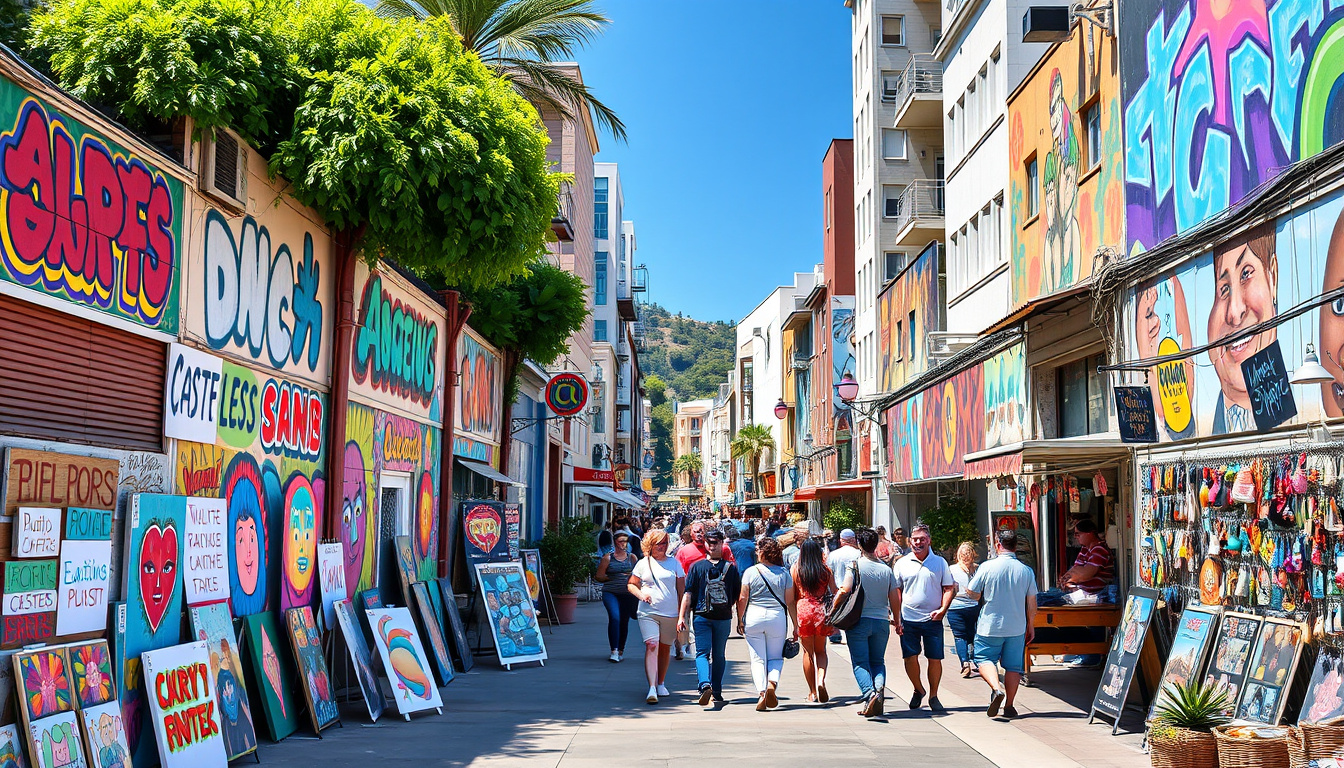
Art tourism provides a significant financial boost to local economies. When travelers flock to art festivals, exhibitions, and galleries, they spend on various services such as accommodation, dining, and transportation. For instance, cities like Florence, known for its rich Renaissance art, see thousands of international visitors each year who contribute to the economy by supporting local artists, artisans, and cultural institutions.
###
2. Supporting Local Artists
By engaging in art focused travel, tourists directly support local artists and craftspeople. Whether purchasing handcrafted souvenirs from local markets in Bali or commissioning paintings from street artists in Lisbon, travelers contribute to the sustainability of local art scenes. This economic benefit motivates communities to preserve and celebrate their cultural heritage.
###
3. Creating Job Opportunities
The art tourism industry creates a wide range of job opportunities. From artists and curators to tour guides and hospitality professionals, this sector enhances employment rates in regions that prioritize cultural initiatives. Cities like Venice, which hosts the international Venice Biennale, not only showcase artists’ work but also require skilled workers to manage the influx of art enthusiasts.
###
4. Fostering Community Development
Art-focused tourism often cultivates community pride and encourages collaboration among residents. When a community invests in its artistic potential, it can lead to the development of local galleries, public art installations, and cultural festivals. Cities like New Orleans, with its vibrant jazz and art scenes, benefit from increased tourism while enhancing the quality of life for residents.
###
5. Diversifying Tourism Offerings
As destinations look to diversify their tourism offerings, integrating art into travel experiences provides a unique selling point. It attracts various visitor demographics, including art enthusiasts, families, and educational groups. For instance, Japan’s art islands of Naoshima and Teshima entice tourists with contemporary art installations amid stunning natural scenery, showcasing how art can elevate a place’s appeal.
### Conclusion
The growing trend of art focused travel is not just about sightseeing; it embodies a commitment to cultural exploration and engagement. As travelers seek meaningful experiences, they simultaneously boost local economies, support local artists, create job opportunities, foster community pride, and encourage destination diversification. The intersection of art and travel offers a compelling narrative, shaping the future of tourism and enabling travelers to contribute to the vibrant tapestry of cultures around the world. By tapping into the economic benefits of art tourism, we cultivate a legacy of appreciation and support for creativity across the globe.
Future Predictions for Art-Centric Travel Experiences
## Future Predictions for Art-Centric Travel Experiences
As we look toward the future, the trend of art-focused travel is undoubtedly on the rise, driven by a growing appreciation for culture and creativity among travelers. Why art-focused travel is growing can be attributed to several factors that intertwine the love for exploration with a desire to engage with local artistry.
### The Increasing Demand for Authentic Experiences
Modern travelers are increasingly seeking authentic experiences that allow them to connect deeply with local cultures. This desire goes beyond mere sightseeing; it fosters a thirst for understanding the stories and traditions that define a place. Art-centric travel provides just that, as it offers immersive participation in local art scenes, from visiting galleries in Berlin to attending street art festivals in São Paulo.
### The Influence of Social Media
Platforms such as Instagram and Pinterest have boosted the visibility of unique art destinations globally. Travelers are eager to capture visually stunning locations and share them with their followers, further fueling the desire to explore artistic locales. For instance, cities like Florence, known for their Renaissance art, have become must-visit stops for those looking to enlarge their digital portfolios.
### Wellness and Mindfulness
Art-centric travel aligns seamlessly with the rise of wellness tourism, where travelers seek experiences that nurture their physical and mental well-being. Engaging in art therapy workshops in Bali or enjoying creativity retreats in the serene landscapes of Tuscany allows travelers to relax while simultaneously exploring their artistic inclinations.
### The Role of Local Artisans
As the movement towards supporting local economies gathers momentum, patrons of traveling are eager to discover and support artisans around the world. This includes visiting craft villages in Morocco or taking cooking classes with local chefs who use traditional methods of preparation. Incorporating personal interactions with artists can significantly enhance the travel experience.
### Predictions for Art-Centric Destinations
Looking ahead, we can expect art-focused travel to evolve in the following ways:
1. Thematic Routes: Just like culinary trails, cities may offer curated art routes that combine museums, galleries, and street art spots, providing a well-rounded artistic exploration.
2. Integration with Technology: Expect virtual reality exhibits and augmented reality tours to become increasingly popular, allowing travelers to engage with art in innovative ways.
3. Sustainable Practices: As environmental consciousness grows, there will be a push towards eco-friendly art initiatives, featuring artists who prioritize sustainability in their work.
4. Rise of Local Festivals: Many cities are likely to expand their investment in local art scenes through seasonal art festivals or pop-up galleries, inviting travelers eager to witness the creativity of emerging talents.
In summary, the future of art-centric travel experiences offers exciting possibilities for those who choose to venture beyond the ordinary. As travelers increasingly prioritize genuine connections with cultures and communities, the intersection of art and travel is set to amplify, creating fulfilling pathways toward cultural understanding and appreciation.
Frequently Asked Questions
What is art focused travel?
Art focused travel refers to trips specifically designed to engage with art and culture, often including visits to museums, galleries, art festivals, and cultural heritage sites. It allows travelers to experience the artistic expressions of different cultures firsthand.
Why is art focused travel becoming more popular?
The popularity of art focused travel is growing due to an increasing desire for cultural immersion among travelers, the influence of social media showcasing art experiences, and the economic benefits that art tourism brings to local communities.
What role does social media play in the rise of art focused travel?
Social media platforms allow travelers to share their art-related experiences and discover new destinations through visual content. The aesthetic appeal of art travels can inspire others, creating a trend where more individuals seek art-filled adventures.
Which destinations are leading the art focused travel movement?
Destinations like Paris, Florence, New York City, and Mexico City are at the forefront of art focused travel, offering rich art histories, vibrant contemporary art scenes, and a plethora of galleries and museums.
What are the economic benefits of art tourism?
Art tourism generates revenue for local economies by attracting visitors, creating jobs in art-related sectors, and supporting local artists and artisans through increased exposure and sales.