
In an era where environmental awareness and mindful travel are becoming increasingly vital, sustainable tourism emerges as a powerful solution. But what are the destinations that support sustainable tourism? This article will explore the concept of sustainable tourism, outline the criteria for identifying sustainable travel spots, showcase exemplary destinations leading the charge in sustainable practices, and delve into case studies that highlight successful initiatives. We will also address the challenges and criticisms that come with sustainable tourism, as well as future trends shaping its landscape. Join us as we embark on a journey through the world of responsible travel, encouraging you to explore the beauty of our planet while preserving it for generations to come.

Key Takeaways
- Sustainable tourism aims to minimize environmental impact while supporting local communities.
- Criteria for sustainable tourism include environmentally friendly practices, community involvement, and cultural preservation.
- Destinations like Costa Rica, New Zealand, and Sweden are leading examples of sustainable tourism.
- Case studies highlight successful initiatives that balance tourism growth with ecological stewardship.
- The future of sustainable tourism will focus on innovative practices and addressing ongoing challenges.
Introduction to Sustainable Tourism
### Introduction to Sustainable Tourism
In recent years, the concept of sustainable tourism has gained substantial traction among travelers who are increasingly conscious of their environmental impact. But which destinations support sustainable tourism? Having an understanding of this query can significantly enhance your travel experience while contributing positively to the planet. Sustainable tourism aims not only to minimize the ecological footprint of travel but also to foster cultural preservation and economic growth for local communities. This article will highlight exemplary destinations that prioritize sustainability, delve into the benefits of choosing such locations, and offer practical tips for eco-conscious travelers.
Criteria for Sustainable Tourism Destinations
## Criteria for Sustainable Tourism Destinations
When exploring the question, ‘Which destinations support sustainable tourism?’ it’s essential to look at specific criteria that define a truly sustainable travel experience. Sustainable tourism ensures that destinations maintain their environmental integrity, cultural authenticity, and economic viability. Here are key criteria to consider when evaluating sustainable tourism destinations:
###
1. Environmental Preservation
• Biodiversity: Look for destinations that protect their unique ecosystems and wildlife. Areas like Costa Rica and the Galápagos Islands excel in eco-friendly practices that safeguard their natural heritage.
• Conservation Policies: Sustainable tourism locations often have strict regulations that protect the environment. For example, Iceland has implemented guidelines to minimize the impact of tourism on its natural wonders, such as geysers and glaciers.
###
2. Cultural Integrity
• Community Involvement: Choose destinations that involve local communities in the tourism process. Countries like Bhutan promote tourism that is sensitively integrated with local culture, ensuring that travelers support rather than exploit these communities.
• Cultural Experiences: Seek out places that offer genuine cultural interactions, such as participating in local festivals in Bali or embracing indigenous traditions in New Zealand.
###
3. Economic Sustainability
• Local Employment: Sustainable destinations typically create job opportunities for locals. Cities like Porto in Portugal emphasize local businesses, ensuring that tourism dollars stay within the community.
• Support for Small Enterprises: Favor regions that promote small, locally-owned enterprises over large, corporate resorts. This practice enhances economic resilience and diversifies income sources for residents.
###
4. Responsible Travel Practices
• Visitor Education: Sustainable destinations educate travelers about their natural and cultural resources. For instance, Norway has visitor centers that provide insights into its environmental policies and cultural heritage.
• Transportation Options: Many sustainable destinations encourage eco-friendly transport methods, such as cycling tours in Copenhagen or extensive public transit systems in Tokyo.
###
5. Recognition and Certification
• Sustainability Certifications: Identify destinations that hold certifications from reputable organizations like the Global Sustainable Tourism Council (GSTC) or similar entities, demonstrating their commitment to sustainable practices. An example is the eco-certified accommodations in the Malaysian rainforest of Borneo.
‘Tourism, like beauty, is in the eye of the beholder. The best tourism is the kind of tourism that maintains the beauty of the world around us while allowing people to explore and discover that beauty in a responsible way.’ – Unknown
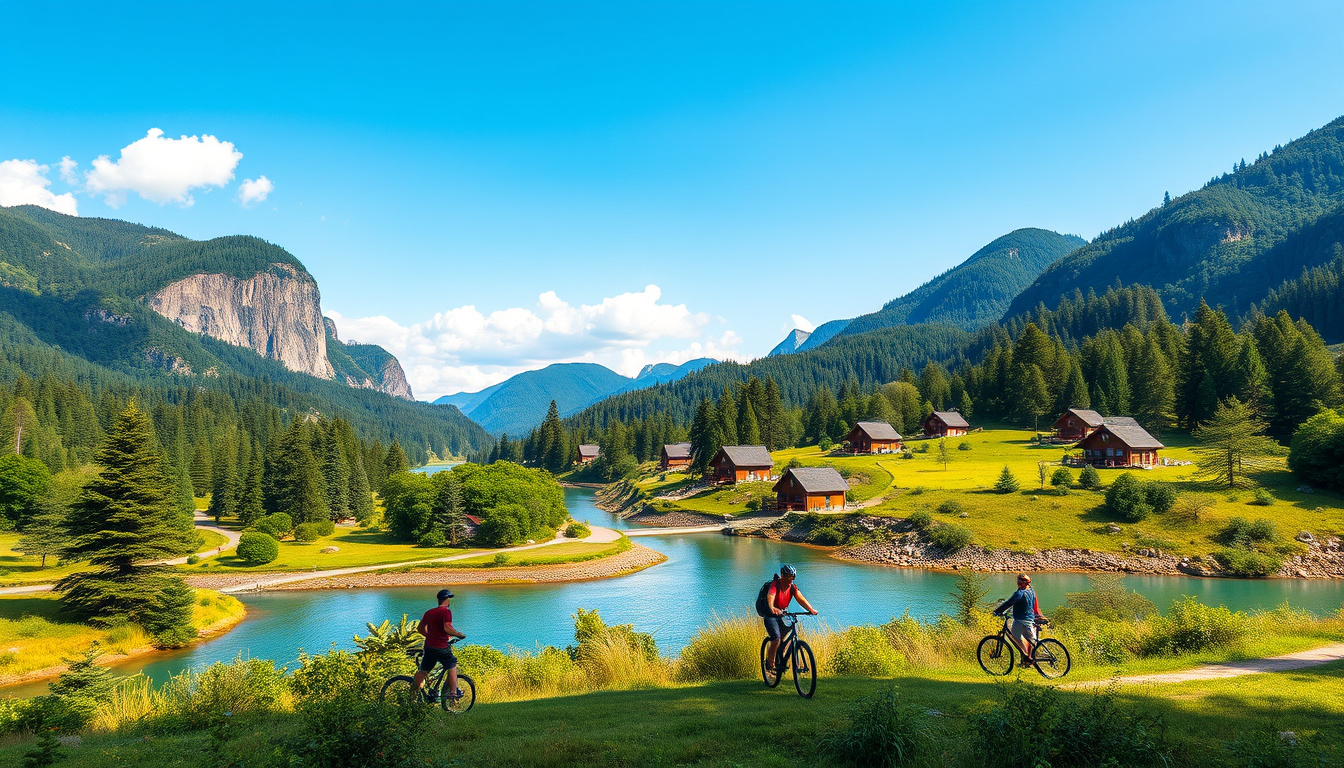
Top Destinations Leading in Sustainable Tourism
# Which Destinations Support Sustainable Tourism
Sustainable tourism is not just a trend, but a crucial movement aimed at preserving the environment, fostering local economies, and enriching cultural heritage. As travelers become more conscious of their environmental impact, exploring destinations that actively support sustainable practices is paramount. Below, we explore top destinations leading the way in sustainable tourism, highlighting their practices and unique offerings.
##
1. Costa Rica
Known as a pioneer in eco-tourism, Costa Rica boasts an impressive 25% of its land designated as protected areas. The country prioritizes biodiversity and sustainability through its extensive national parks, such as Corcovado and Tortuguero.
### Key Practices:
• Eco-Lodges: Stay at eco-friendly accommodations like Lapa Rios, where profits help conserve rainforests and support local communities.
• Wildlife Conservation: Participate in turtle nesting programs along the Pacific coast, helping local efforts to protect endangered species.
• Community Engagement: Experience authentic cultural exchanges by engaging in local artisan workshops.
##
2. Sweden
Sweden stands out for its commitment to sustainability, focusing on renewable energy and reducing carbon footprints. The country aims to be fossil fuel-free by 2045, promoting eco-friendly practices in tourism.
### Key Practices:
• Green Travel Initiatives: Use Stockholm’s extensive public transport system, which is powered by renewable energy, to minimize your carbon footprint.
• Nature and Wildlife: Explore the untouched wilderness of Swedish Lapland, where sustainable trekking and outdoor experiences abound.
• Local Dining: Dine on locally sourced food at restaurants like Ghostwriter, known for its organic ingredients.
##
3. New Zealand
New Zealand is renowned for its unrivaled landscapes, but it’s also deeply committed to sustainable practices. Their conservation efforts are crucial in maintaining biodiversity.
### Key Practices:
• Wildlife Tours: Experience eco-tours on the North Island’s Great Barrier Island, where local guides emphasize conservation.
• Sustainable Accommodations: Book your stay at places like The Farm at Cape Kidnappers, combining luxury with sustainability.
• Cultural Respect: Participate in Maori cultural experiences that focus on environmental stewardship and traditional practices.
##
4. Bhutan
Bhutan takes a unique approach to tourism, with its policy of “High Value, Low Impact.” Only a limited number of tourists are allowed to visit annually, ensuring a minimal footprint on this Himalayan kingdom.
### Key Practices:
• Cultural Preservation: Engage with local customs by visiting traditional festivals and monasteries.
• Environmental Focus: Bhutan’s commitment to be carbon-negative promotes eco-friendly travel.
• Sustainable Practices: Learn about community initiatives that strengthen local economies, such as organic farming and handicrafts.
##
5. Iceland
Iceland is lauded for its natural beauty and commitment to preserving its pristine landscapes. With an abundance of geothermal energy and efforts to protect its ecosystems, Iceland is a model of sustainable tourism.
### Key Practices:
• Eco-Friendly Tours: Join guided tours that use electric vehicles to minimize emissions while showcasing the country’s stunning landscapes.
• Community-Driven Initiatives: Participate in local initiatives by understanding the importance of the Icelandic Sagas and folklore in cultural tourism.
• Wildlife Protection: Engage in responsible whale watching that prioritizes animal welfare and habitat protection.
## Conclusion
Choosing destinations that support sustainable tourism not only enriches your travel experience but also contributes positively to the environment and local communities. Countries like Costa Rica, Sweden, New Zealand, Bhutan, and Iceland are setting the standard for responsible travel. By selecting destinations that prioritize sustainability, you play an essential role in preserving our beautiful planet for future generations. To learn more about sustainable travel practices and related adventures, explore more on Bimoseto’s platform.
Case Studies: Successful Sustainable Tourism Initiatives
## Case Studies: Successful Sustainable Tourism Initiatives
When we explore the question of which destinations support sustainable tourism, it is crucial to look at real-world examples where initiatives have flourished, promoting environmental conservation while enhancing the cultural fabric of local communities. These case studies not only highlight best practices but also serve as inspiration for travelers seeking eco-friendly experiences.
###
1. Costa Rica: A Pioneering Example
Costa Rica has long been recognized as a front-runner in sustainable tourism. With approximately 25% of its land protected as national parks and wildlife reserves, the country prioritizes biodiversity and conservation. The tourism industry is deeply intertwined with local ecosystems, and initiatives such as the Certificado de Sostenibilidad Turística (CST) reward businesses that implement sustainable practices. Travelers can participate in eco-lodges, organic farms, and conservation projects, enriching their travel experience while leaving a minimal environmental footprint.
###
2. Bhutan: Measuring Happiness Over Profit
The Kingdom of Bhutan has revolutionized the concept of sustainable tourism by promoting its unique ‘High Value, Low Impact’ tourism policy. Here, visitors pay a daily fee that includes accommodation, meals, and a guide, enabling the country to control visitor numbers and ensure that tourism supports local culture and environment. The government invests a portion of these fees into preserving its rich heritage and environment, making Bhutan an exemplary destination for mindful travelers.
###
3. Iceland: Nurturing Nature
Iceland’s approach to sustainable tourism centers around preserving its breathtaking landscapes while offering educational experiences. The country’s tourism board mandates certifications for businesses that commit to sustainable practices and the sustainable use of natural resources. Tour operators encourage responsible travel behavior amongst visitors, promoting activities like geothermal spa visits and eco-friendly hotels that are committed to minimizing their carbon footprint, ensuring the allure of Iceland’s stunning landscapes endures for generations to come.
###
4. New Zealand: Eco-Conscious Adventures
New Zealand leads in eco-tourism through its commitment to conservation and community involvement. Initiatives like the Department of Conservation’s (DOC) visitor management frameworks strive to keep natural areas pristine. Sustainable practices are encouraged, with plenty of eco-tourism operators providing guided nature hikes, wildlife treks, and Maori cultural experiences, allowing visitors to engage and learn about indigenous practices while supporting local economies.
###
5. Sweden: Towards a Sustainable Future
Sweden has emerged as a model for sustainable travel, emphasizing energy efficiency and eco-friendly transport. Cities like Malmö offer green hotels and extensive cycling paths, making it easy for visitors to explore while reducing their carbon footprint. The country’s commitment to sustainable urban development, exemplified by its innovative waste management and renewable energy initiatives, positions Sweden among the top choices for eco-conscious travelers.
### Final Thoughts on Sustainable Tourism Destinations
These case studies provide compelling evidence that sustainable tourism is not only possible but can also be profoundly rewarding for both travelers and destinations alike. By supporting these initiatives, travelers contribute to environmental conservation and cultural preservation, ensuring that future generations can enjoy these enchanting places.
As you explore various destinations, consider the impact your travel choices have on the local communities and natural environments. Engaging with these successful sustainable tourism initiatives can lead to richer experiences while promoting the very essence of responsible travel.

Challenges and Criticisms of Sustainable Tourism
## Challenges and Criticisms of Sustainable Tourism
While the concept of sustainable tourism is noble and necessary, it faces several challenges and criticisms that can hinder its effectiveness. Some of the most prevalent concerns include:
###
1. Economic Viability
Tourism economies may struggle. Many destinations rely heavily on traditional tourism for their economic stability. Shifting to sustainable practices can be costly and time-consuming, presenting a barrier for local businesses or communities with limited resources.
###
2. Greenwashing
Misleading claims by businesses. The term ‘sustainable tourism’ can sometimes be exploited by entities that market themselves as environmentally friendly without making substantial changes. This practice, known as greenwashing, can mislead travelers and undermine genuine efforts.
###
3. Capacity and Overcrowding
Destinations may become overwhelmed. Many popular sustainable tourism destinations struggle with excessive visitor numbers, which dilutes the quality of the experience and increases resource consumption. In countries like Bali, for instance, local authorities have warned against over-tourism that threatens both the environment and local culture.
###
4. Cultural Sensitivity
Risk of cultural dilution. The influx of travelers curious about local traditions can sometimes lead to the commercialization of cultural practices, distracting from their authenticity. For example, in places like the indigenous land of the Maasai in Kenya, tourism activities can influence and alter traditional lifestyles.
###
5. Education and Awareness
Need for informed tourists. Sustainable tourism principles often depend on the cooperation of travelers. If tourists are not educated about sustainable practices, initiatives can be hampered. This is why many destinations are focusing on creating awareness campaigns aimed at informing visitors about local customs and environmental practices.
### Conclusion
Despite these challenges, many destinations are still leading by example. Some countries, such as Costa Rica, Norway, and New Zealand, promote sustainable tourism by integrating eco-friendly activities, supporting local economies, and emphasizing the importance of preserving natural and cultural heritage. As travelers increasingly seek out sustainable options, it becomes crucial to identify destinations that truly embody and support sustainable tourism.
Future Trends in Sustainable Tourism Destinations
## Future Trends in Sustainable Tourism Destinations
As travelers become increasingly aware of their environmental impact, the demand for sustainable tourism destinations grows. But which destinations support sustainable tourism? Emerging trends highlight a shift toward practices that promote ecological integrity, cultural preservation, and economic viability. Cities and countries around the globe are making strides in sustainability, offering travelers enriching experiences while minimizing their carbon footprints. Here, we explore some of the top destinations that epitomize sustainable tourism principles.
###
1. Costa Rica: A Leader in Eco-Tourism
Costa Rica has long been heralded as a pioneer in sustainable tourism. With over 25% of its land protected as national parks and reserves, this Central American gem prioritizes biodiversity and ecological conservation. Visitors can experience responsible wildlife tours, organic coffee farms, and eco-lodges nestled in lush rainforests. The country operates under a well-defined policy of sustainability, ensuring that tourism positively impacts local communities and ecosystems.
###
2. Sweden: The Greenest Destination
Renowned for its innovative approaches to sustainability, Sweden is setting the standard for green travel. Cities like Stockholm and Gothenburg are at the forefront, boasting extensive public transport systems, pedestrian-friendly design, and sustainable accommodation options. Notably, the country aims to be fossil fuel-free by 2045, making it a blueprint for eco-conscious travelers. Visitors can explore Sweden’s beautiful archipelagos while engaging in activities like hiking and biking that nurture the environment.
###
3. Bhutan: The Land of Gross National Happiness
Bhutan’s commitment to sustainable tourism is encapsulated in its unique philosophy of Gross National Happiness (GNH). This approach emphasizes the well-being of its citizens alongside environmental conservation and cultural integrity. Travelers to Bhutan contribute to preserving its rich heritage through community-based tourism initiatives that support local crafts and traditions. Moreover, its policy of a daily tariff ensures that tourism remains manageable and beneficial.
###
4. New Zealand: A Natural Playground
New Zealand is an oasis for adventurers who are also passionate about conservation. With a commitment to preserving its stunning landscapes and unique wildlife, many regions pursue sustainable practices, particularly in tourism. Activities such as exploring geothermal parks in Rotorua, engaging in eco-tours in the Fiordland National Park, or indulging in sustainable wine experiences in Marlborough offer immersive ways to appreciate the natural beauty while promoting sustainability.
###
5. Iceland: Nature’s Classroom
Iceland has embraced sustainable tourism by implementing strict regulations on geothermal resource utilization and protecting its unique natural wonders. The country encourages travelers to respect local wildlife and ecosystems while engaging in activities like hiking, geothermal bathing, and experiencing the Northern Lights ethically. Community-based tourism initiatives also allow visitors to connect with locals and appreciate traditional Icelandic culture.
Frequently Asked Questions
What is sustainable tourism?
Sustainable tourism refers to travel practices that minimize negative impacts on the environment, support local economies, and respect cultural heritage while providing enjoyable experiences for tourists.
Which destinations are currently leading in sustainable tourism?
Some of the top destinations supporting sustainable tourism include Costa Rica, Sweden, New Zealand, Bhutan, and Iceland, all of which have implemented practices to protect their unique environments and cultures.
What criteria should a destination meet to be considered sustainable?
A sustainable tourism destination should meet criteria such as minimizing environmental impact, supporting local communities, promoting cultural preservation, ensuring economic viability, and providing educational opportunities for tourists.
Are there any challenges facing sustainable tourism initiatives?
Yes, challenges include balancing tourist demand with environmental conservation, potential greenwashing by businesses, and the need for ongoing education and awareness among both tourists and locals.
What are the future trends for sustainable tourism destinations?
Future trends in sustainable tourism include increased use of technology for better resource management, a focus on circular economies, enhanced traveler education, and greater integration of community-led tourism initiatives.