
Traveling is more than just moving from place to place; it’s about collecting experiences, emotions, and stories that resonate with us long after we return home. To truly capture these invaluable moments, understanding how to document trips like a storyteller is essential. By transforming your travels into compelling narratives, you not only preserve your memories but also inspire others to explore the world through your eyes. The art of storytelling is timeless, and when blended with your unique experiences, it creates a powerful medium to share human connection. In this guide, we’ll delve into the nuances of travel storytelling—covering everything from choosing the right format to enhancing your narrative with visuals and sharing it with the world. Prepare to harness the transformative power of storytelling as we embark on the journey of documenting your adventures.

Key Takeaways
- Storytelling is an essential skill for effectively documenting your travel experiences.
- Select a format that complements your narrative style, whether it’s a blog, video, or journal.
- Focus on key elements like characters, conflict, and resolution to enrich your travel story.
- Incorporate visuals, such as photographs and videos, to engage your audience and enhance your narrative.
- Refine your draft through editing and share your travel stories on platforms that best reach your audience.
Understanding the Art of Storytelling
Understanding the Art of Storytelling: How to Document Trips Like a Storyteller
Travel is more than just visiting new places; it’s about capturing the essence of your experiences and sharing them with the world. Understanding how to document trips like a storyteller involves using narrative techniques that bring your journeys to life, allowing readers to connect with your adventures on a deeper level. Whether you’re journaling for personal reflection, crafting social media posts, or writing a travel blog, employing storytelling elements can transform simple observations into engaging accounts.
###
1. Set the Scene
Begin your narrative with vivid descriptions that transport readers to the destination. Use sensory language to evoke sights, sounds, and smells. For example, instead of saying ‘the market was busy,’ you might describe ‘the vibrancy of the bustling market, filled with the rich aroma of spices, the colorful array of fresh produce, and the calls of merchants trying to attract eager customers.’ This invites your audience into a sensory experience.
###
2. Introduce Characters
Every story has characters, and travel narratives are no different. Whether it’s the locals you meet, fellow travelers, or even your travel companions, weaving their personalities into your narrative can add depth. For instance, sharing a moment with a friendly local who offers insights into their culture not only personalizes your story but also enhances authenticity.
###
3. Create a Narrative Arc
Just like any compelling story, your trip should have a beginning, middle, and end.
• Beginning: Set the context of your travel—what inspired this journey? Was it a lifelong dream to visit Japan’s cherry blossoms or a spontaneous weekend getaway to the Amalfi Coast?
• Middle: Here, detail the adventures, challenges, and discoveries you encountered. Maybe you navigated a challenging hike in Patagonia, or you stumbled upon a hidden gem of a café in Paris that served the best espresso you’ve ever had.
• End: Reflect on your experiences. What did you learn? How were you changed? Sharing your insights can inspire and resonate with your audience, encouraging them to contemplate their own travels.
###
4. Use Branded Visuals
In today’s digital age, a picture is worth a thousand words, and high-quality visuals can complement your storytelling beautifully. Capture unique, candid shots that evoke emotion—whether it’s a joyful group photo on a mountaintop or the peaceful solitude of a sunset at the beach. This not only enhances engagement but also helps tell your story visually.
###
5. Embrace the Unexpected
The best stories often come from unexpected twists. Whether it’s a missed flight that leads you to an impromptu day in a new city or discovering that your hotel was overbooked but landing you a stay in a charming bed and breakfast, embrace these moments. They can add an element of surprise and relatability to your travels.
### Actionable Tips for Documenting Your Journey
• Keep a Travel Journal: Write daily reflections or jot down experiences as they happen to keep your narrative fresh and authentic.
• Engage on Social Media: Share snippets of your travels with engaging captions to create a narrative that unfolds in real-time.
• Interview Locals: Take the time to chat with residents and share their stories alongside yours to enrich your travel narrative.
• Review and Edit: After your trip, review your notes and photos. Shape your narrative by selecting the most compelling moments to share.
In conclusion, documenting your trips like a storyteller involves skillful narrative techniques and a willingness to engage with both the surroundings and the people you meet. By setting a scene, introducing characters, and crafting a cohesive story arc, you can inspire others through your travels. Remember, each trip you take is not just a journey across the globe but a collection of stories waiting to be told.
Choosing the Right Format for Your Travel Narrative
When embarking on a journey, transforming your experiences into engaging narratives is an art that can enhance your travel memories and share them with others. To master how to document trips like a storyteller, consider the following key elements that can breathe life into your narrative and captivate your audience.
###
1. Select Your Format Wisely
Choosing the right format for your travel documentation is crucial. Here are some popular options:
– Blog Posts: Ideal for sharing detailed accounts with plenty of visuals, allowing for interaction through comments.
– Vlogs: Perfect for those who prefer to convey experiences through video. Vlogs can capture sights and sounds that text cannot.
– Journals: A personal choice, journals allow for deep reflection and detail. They can later serve as the foundation for more polished narratives.
– Social Media: Platforms like Instagram and Facebook are great for quick updates, geotagging locations, and sharing moments in real-time.
###
2. Craft an Engaging Outline
Before diving in, create an outline that includes:
– Introduction: Set the scene for your journey, introducing the locale, your motivations, and any preparations made.
– Experiences: Divide your adventures into sections that represent different days or locations, ensuring each has a clear theme or lesson learned.
– Reflections: Conclude with takeaways, personal growth, or insights gained during the trip, which can resonate with your audience.
###
3. Use Descriptive Language
Transport your readers into the heart of your experience by:
– Engaging the Senses: Describe sights, sounds, tastes, and smells vividly to create immersive impressions.
– Incorporating Emotions: Share your feelings and thoughts to deepen the connection with your audience.
###
4. Enhance with Visuals
Visual elements like photos, maps, and infographics enrich your narrative.
– Photos: Choose high-quality images that capture the essence of places and experiences.
– Maps: Illustrate your route and significant stops to give context to your tale.
###
5. Engage Your Readers
Create a dialogue with your audience by:
– Asking Questions: Encourage interaction by posing questions or inviting readers to share their experiences.
– Call-to-Actions: Guide your readers on how they can adapt what you’ve shared into their travel stories or inspire them to visit the same locations.
By implementing these strategies, you’ll master how to document trips like a storyteller, transforming your experiences into compelling narratives that resonate with readers and inspire them to embark on their own adventures. The key is to be authentic, reflective, and to share your unique perspective on the journey.
‘Traveling – it leaves you speechless, then turns you into a storyteller.’ – Ibn Battuta
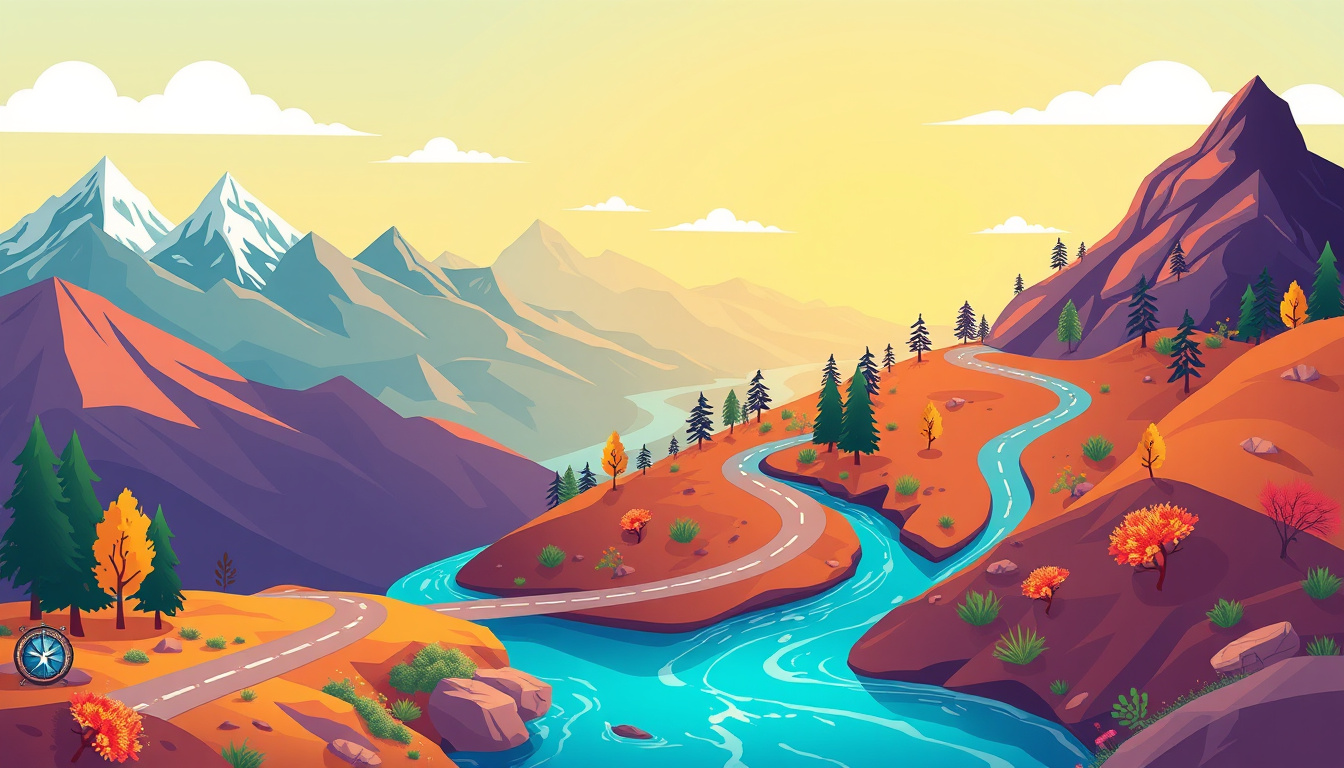
Capturing the Essence of Your Journey: Key Elements
## Capturing the Essence of Your Journey: Key Elements
When it comes to how to document trips like a storyteller, the art lies in weaving a captivating narrative that transcends mere facts and figures. Here are the key elements to help you master this craft:
###
1. Know Your Audience
Before you start documenting, consider who will be reading your travel tales. Tailoring your story to the interests and experiences of your audience helps create a stronger connection. Are they adventure seekers? History buffs? Family vacationers? Each group will appreciate different aspects of your journey.
###
2. Create a Structure
A well-structured narrative gives your story flow and coherence. Start with an engaging introduction that sets the stage for your travels, followed by the body where you explore various experiences, and conclude with reflections or lessons learned. A classic structure could look like this:
• Introduction: Brief overview of the trip and its purpose.
• Body: Descriptions of key experiences, locations, interactions, and emotions.
• Conclusion: Insights gained or how the trip changed you.
###
3. Use Vivid Descriptions
Paint a picture with your words. Describe the sights, sounds, and smells of the places you visit. For instance, when documenting a bustling market in Marrakech, instead of just stating the location, immerse your readers by describing the vibrant colors, the aromatic spices, and the joyous banter of local vendors. This sensory detail draws readers into your story.
###
4. Include Personal Reflections
Sharing your personal thoughts and reflections can make your travel story relatable and authentic. Talk about what certain locations meant to you or how specific experiences shifted your perspective. For example, after visiting a serene temple in Bali, reflect on how it prompted you to seek tranquility in your everyday life.
###
5. Incorporate Local Interactions
The most compelling travels often occur through meaningful interactions with locals. Whether it’s sharing a meal with a family in Italy or learning to surf with a local in Hawaii, these moments add depth to your narrative. Include anecdotes that highlight cultural exchanges or significant conversations you had, showcasing diverse perspectives.
###
6. Use Visuals Effectively
A compelling travel story is often complemented by rich visuals. Include photographs, illustrations, or maps that highlight your journey. Captions can further explain the significance of certain images, strengthening the narrative. Ensure that visuals are high-quality and enhance the overall story, not just fill space.
###
7. Edit Ruthlessly
Once your story is down on paper, the editing process is crucial. Remove any repetition or unrelated details that dilute the central message. Aim for clear, concise language that maintains reader interest. It may help to read your narrative out loud or have someone else review it to gauge if you’re truly conveying the experience.
Utilizing Visuals to Enhance Your Travel Story
## Utilizing Visuals to Enhance Your Travel Story
When learning how to document trips like a storyteller, one powerful tool at your disposal is visuals. The ability to evoke emotion and convey deeper narratives through photographs, illustrations, and video content can dramatically enhance your travel stories. Here are several strategies to effectively use visuals in your travel documentation:
###
1. Choose the Right Moments
• Capture the Essence: Take photos during golden hours—early mornings or late afternoons—when natural lighting creates depth and warmth.
• Be Spontaneous: Some of the most compelling visuals come from unplanned moments; don’t rely solely on posed shots.
###
2. Create a Visual Narrative
• Sequence Your Shots: Tell a story by sequencing your visual content. Start with establishing shots, followed by details that paint a fuller picture of the experience.
• Incorporate Different Perspectives: Use wide-angle shots to capture landscapes, but don’t forget close-ups of local cuisine or crafts, which can add richness and context to your narrative.
###
3. Use Visual Storytelling Techniques
• Color and Composition: Use vibrant colors that reflect the culture or mood of the place you’re visiting. Balanced compositions will draw your audience into your story more effectively.
• Incorporate Local Textures: Include images of local fabrics, architecture, or environment to enhance your travel visuals and provide sensory details to your narrative.
###
4. Mixed Media is Key
• Videos and Sound: When documenting trips, consider creating short video clips or vlogs. The addition of sound—local music, bustling markets, or natural sounds—immerses your audience.
• Infographics and Maps: For a more analytical approach, incorporate infographics that highlight travel statistics or maps showing your route; these can add informative layers to your story.
###
5. Share Authentic Experiences
• Capturing Interactions: Document conversations and emotions during interactions with locals. Portrait shots of friendly faces can often connect viewers to the humanity behind your travels.
• Reflect on Your Journey: Use visuals that showcase the internal changes or moments of self-discovery during your travels, such as moments of solitude in serene landscapes.
By applying these techniques, you can greatly enhance your storytelling skills, ensuring your travel documentation is not only beautiful but also deeply engaging and relatable. This will ultimately inspire others to explore the world as you have.

Editing and Polishing Your Narrative
Documenting your trips like a storyteller can transform your travel experiences into vivid narratives that resonate with readers, allowing them to immerse themselves in your journey. To achieve this, begin by embracing the art of observation. Take the time to notice the little details around you—sounds, scents, and sights can evoke rich imagery. Here’s how to document trips like a storyteller:
###
1. Start with a Compelling Opening
Capture your readers’ attention right from the beginning. Share a surprising fact, a poignant memory, or a striking description of a place that sets the tone for your story.
###
2. Incorporate Personal Experiences
Allow your personality to shine through your narrative. Share anecdotes that reflect your emotions and reactions as you explored various landscapes, tasted local cuisines, or met new people.
###
3. Use Descriptive Language
Paint pictures with your words. Instead of saying, ‘The market was busy,’ describe the cacophony of vendors shouting, the vibrant colors of produce, and the enticing aroma of spices wafting through the air.
###
4. Create a Narrative Arc
Structure your travel documentation like a classic story. Introduce a challenge or conflict (e.g., getting lost in a foreign city), build suspense, and conclude with a resolution (finding your way and learning a valuable lesson about navigating new environments).
###
5. Incorporate Local Culture
Dive deep into the culture of the places you visit. Discuss traditions, local landmarks, and speak to citizens to add depth to your story. For example, in Kyoto, explore the beauty of the cherry blossoms through the eyes of a local festival participant.
###
6. Utilize Visuals
Enhance your storytelling with captivating photos or videos that complement your narrative. A well-placed image can convey a sense of place and emotion that words sometimes cannot.
By following these strategies when documenting your trips, you not only share your adventures but also create a lasting legacy that can inspire fellow travelers to embark on their own journeys.
Sharing Your Travel Stories with the World
In today’s digital age, sharing your travel stories with the world has never been easier or more impactful. If you’re wondering how to document trips like a storyteller, it’s vital to find a personal style that resonates with your audience while showcasing the unique experiences you encounter. Here are some invaluable tips to help you create a narrative that brings your adventures to life:
### Find Your Unique Voice
• Reflect on Your Experiences: Start by considering what made your trip special. Were there cultural exchanges? Unexpected encounters? Capture these moments in your writing.
• Be Authentic: Use your own voice and express genuine emotions. Authenticity connects with readers on a deeper level and encourages them to engage with your journey.
### Create a Compelling Structure
• A Narrative Arc: Think about the beginning, middle, and end of your travel story. Set the scene, build anticipation, and provide resolution or insights gained along the way.
• Use Descriptive Language: Incorporate vivid adjectives and adverbs to paint pictures in the minds of your readers. Describe not just what you saw but how it made you feel.
### Incorporate Visuals
• Photos and Videos: Capture high-quality images and short clips that complement your storytelling. A well-placed photo can evoke emotions and enhance your narrative, making it more engaging.
• Infographics or Maps: Highlight your journey with visual aids that provide context, such as maps of your route or infographics detailing cultural insights.
### Engage with Your Audience
• Ask Questions: Involve your readers by asking questions that prompt them to think about similar experiences or places they’d like to visit. This invites interaction and makes them feel part of your story.
• Use Social Media: Share snippets of your travel experiences on platforms like Instagram, Twitter, or Facebook. Create a hashtag for your trip and encourage followers to engage with your content.
### Edit for Clarity
• Revise: After writing your story, revise it for clarity and coherence. Look for areas to cut down excess detail and ensure each word adds value to your message.
• Seek Feedback: Share drafts with friends or fellow travelers to get input on your storytelling approach.
Documenting your travels like a storyteller not only preserves your memories, but it also allows you to inspire others to embark on their own adventures. Embrace the process, stay true to yourself, and let your stories bring the world closer together.
Frequently Asked Questions
What does it mean to document trips like a storyteller?
Documenting trips like a storyteller means crafting your travel experiences into engaging narratives that highlight emotions, settings, and events, using literary techniques to make the story relatable and captivating.
What formats can I use to document my travel stories?
You can choose from various formats such as blogs, journals, photo essays, videos, or social media posts, depending on your style and the audience you want to reach.
What key elements should I focus on when telling my travel story?
Key elements include setting the scene, introducing characters, capturing conflicts or challenges, highlighting cultural experiences, and conveying emotions throughout your journey.
How can I enhance my travel stories with visuals?
Utilize photos, videos, and illustrations that complement your narrative, ensuring they are high-quality and relevant to the story, to create a more immersive experience for your audience.
What are some tips for editing my travel narrative?
After writing your draft, take a break before editing. Look for clarity and coherence, cut unnecessary details, enhance descriptions, and seek feedback from others to refine your story.