
Traveling opens up a world of experiences, cultures, and flavors, but managing food expenses while traveling can often become a significant concern for budget-conscious explorers. Knowing how to navigate culinary adventures without overspending is an essential skill that can enhance your journey. In this article, we will explore practical strategies on how to manage food expenses while traveling, ensuring you enjoy delightful meals without breaking the bank. From setting clear budgets to leveraging local markets and apps for discounts, we will empower you to taste the world while staying financially savvy.
Key Takeaways
- Set a clear budget for food spending to avoid overspending while traveling.
- Research local cuisine to find affordable dining options that won’t sacrifice quality.
- Consider shopping at grocery stores and markets to cook your own meals and save money.
- Utilize apps and resources to find discounts on meals and dining experiences.
- Practice mindful eating to reduce food waste and fully enjoy local culinary experiences.
Understanding Your Budget: Setting Clear Limits for Food Spending
Traveling opens up a world of culinary adventures, yet managing your food expenses while traveling can be challenging. To ensure you enjoy delightful local cuisines without breaking the bank, it’s vital to set clear limits for your food spending. Here’s how to effectively manage food expenses while traveling:
###
1. Establish a Daily Budget
Before embarking on your journey, create a daily food budget based on your overall travel budget. Use these tips to determine the right amount:
– Research Destinations: Understand the cost of living in your travel destinations. For instance, dining in Tokyo may require a different budget than in Bangkok or Lisbon.
– Factor in Meals: Decide how many meals you plan to eat out versus cooking for yourself (if applicable).
– Include Snacks: Don’t forget to account for occasional snacks, coffee, or beverages.
###
2. Prioritize Meals
Identify which meals are most important to enjoy as local experiences. Perhaps you want to splurge on dinner at a renowned restaurant but seek cheaper options for breakfast and lunch.
– Research local street food which can provide a taste of authentic cuisine at a lower price point.
###
3. Utilize Local Markets
Visiting local farmers’ markets, such as the Mercado de la Boqueria in Barcelona or Tsukiji Market in Tokyo, can offer fresh produce and local delicacies at reasonable prices. You can prepare simple meals, saving money while tasting local flavors.
###
4. Opt for Lunch Specials
Many restaurants offer special lunch pricing that is often cheaper than dinner. This can be a fantastic way to try a high-end restaurant at a more budget-friendly price while enjoying the same level of service and ambiance.
###
5. Download Food Apps
Utilize apps like Yelp, TripAdvisor, or Grab to find authentic, budget-friendly dining options nearby. You can filter your searches based on cuisine type and price range, ensuring you stay within your budget.
###
6. Keep Track of Your Spending
Maintain a daily food diary in a note-taking app or a physical notebook, listing what you spent and on what. This will help you adjust as you go, allowing you to cut costs on subsequent days if you exceed your budget.
###
7. Explore Cooking Classes
Consider taking cooking classes that focus on local cuisine. Not only can you learn new skills, but you often get to enjoy the meal you prepared, contributing to both your cultural experience and your food budget.
By effectively setting and managing your budget for food while traveling, you can enjoy varied and rich culinary experiences without the stress of overspending. The right balance between dining out and enjoying local delicacies can lead to a fulfilling nutritional experience while exploring the world.
Researching Local Cuisine: Affordable Dining Options
### Researching Local Cuisine: Affordable Dining Options
When you embark on your travel journey, one of the most delightful aspects is exploring local cuisine. However, managing food expenses while traveling can often be a challenge. To ensure you indulge in authentic flavors without straining your budget, consider the following tips to help you savor every bite without overspending.
####
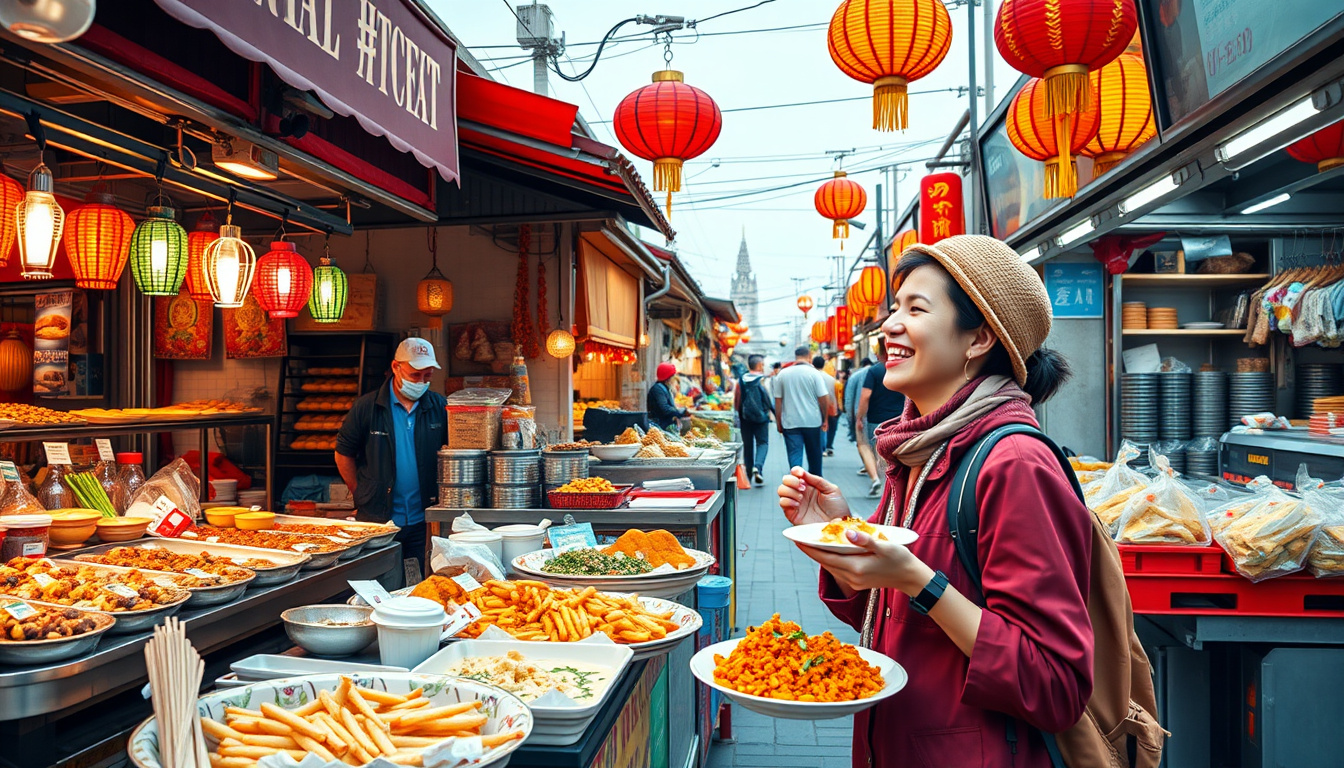
1. Embrace Street Food
Street food is usually a reflection of a region’s culinary heritage and is often more affordable compared to dining in restaurants. Cities like Bangkok and Mexico City, with their vibrant street food scenes, offer delicious meals for just a few dollars.
####
2. Research Local Markets
Visiting local markets is a fantastic way to not only discover regional ingredients but also enjoy meals at lower prices. In Marrakech, for instance, you can experience fresh produce, spices, and ready-to-eat dishes in the bustling Jemaa el-Fnaa market.
####
3. Set a Daily Food Budget
To manage your food expenses effectively, allocate a specific amount for daily meals. This will help you stay on track while allowing some flexibility for occasional splurges on dining at higher-end restaurants.
####
4. Cook Your Own Meals
If your accommodation allows it, consider preparing some of your meals. Markets are great places to gather fresh ingredients, allowing you to enjoy local flavors while saving money. This approach can be particularly beneficial in countries like Italy, where you can buy fresh pasta and produce.
####
5. Opt for Lunch Specials
Many restaurants offer more affordable lunch menus or specials that include a meal and a drink. By planning to dine out during lunch rather than dinner, you can enjoy the same quality food at a fraction of the price.
####
6. Look for Food Tours
Sometimes, booking a food tour early in your trip can provide insights into where to eat affordably during your stay. Not only will you get to sample a variety of dishes, but you’ll also learn about local dining habits and must-try foods.
#### Conclusion
By focusing on local culinary experiences and being strategic about your dining choices, you can effectively manage food expenses while traveling. Remember to savor each moment, knowing that great food doesn’t always have to come with a hefty price tag. From street food to local markets, the world is full of affordable options waiting to be discovered!
‘Travel is the only thing you buy that makes you richer.’ – Anonymous
Grocery Stores and Markets: Cooking Your Own Meals on the Road
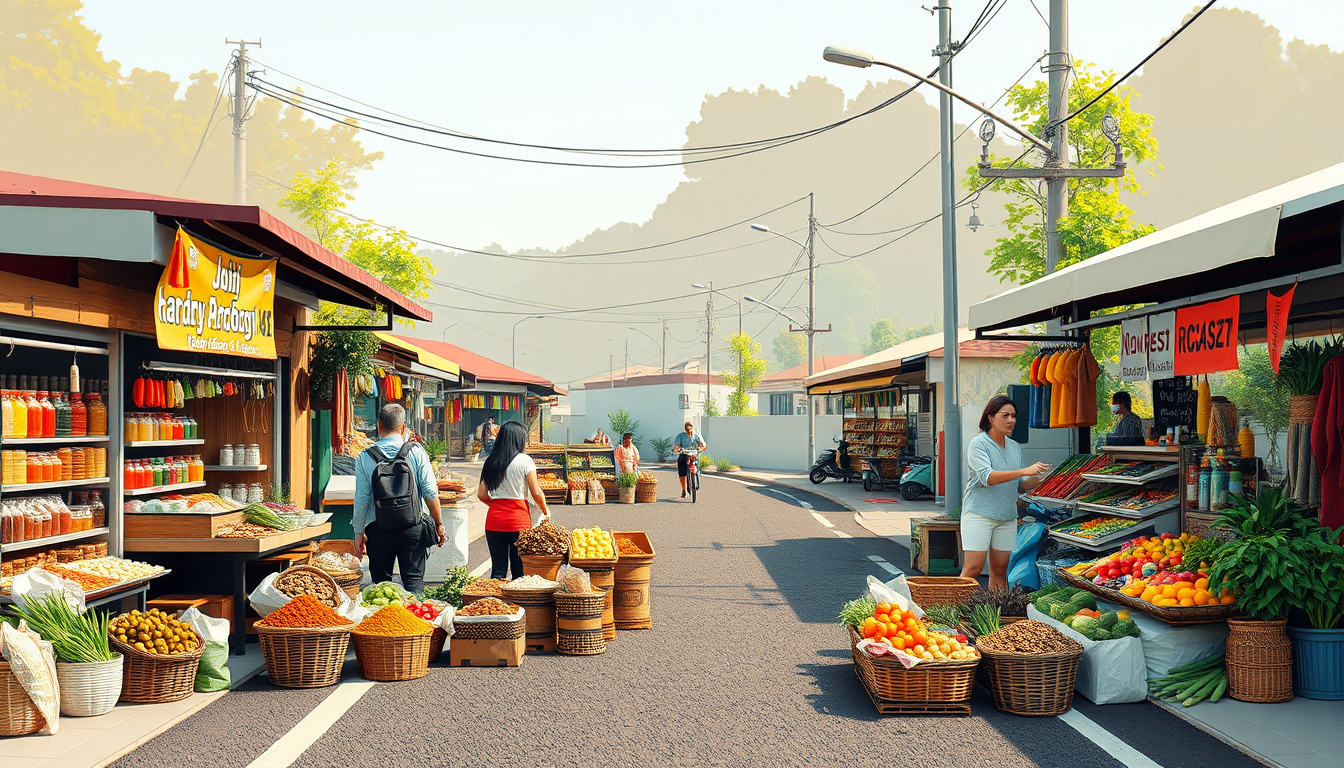
When embarking on a travel adventure, managing food expenses is a crucial part of maintaining your budget. Learning how to manage food expenses while traveling can make a significant difference in how much you can allocate to experiences, attractions, and other necessities. One effective strategy is cooking your own meals, which brings us to the importance of grocery stores and markets in your travel journey.
### Grocery Stores and Markets: Cooking Your Own Meals on the Road
Shopping at local grocery stores and markets not only helps you save money but also immerses you in the culture of your destination. Here’s how you can effectively manage your food expenses while traveling through cooking:
####
1. Research Local Grocery Stores
Before you arrive at your destination, conduct a little research on nearby grocery stores. Apps and websites such as Yelp or Google Maps can provide insights into the best spots. Look for local markets that offer regional produce, which can be both cost-effective and a delightful way to explore local cuisine.
####
2. Learn a Few Cooking Basics
Familiarize yourself with basic cooking techniques using minimal equipment. Many accommodations, including hostels and vacation rentals, offer kitchen facilities. Here are a few simple meal ideas you can prepare:
• Pasta dishes: Quick to cook and can be paired with fresh vegetables and sauces.
• Stir-fries: A great way to combine protein and vegetables with minimal ingredients.
• Salads: Utilizing fresh local vegetables and a simple dressing made from vinegar and oil.
####
3. Create a Grocery List
To avoid impulse purchases, create a grocery list before heading out. Stick to the essentials such as grains, proteins, and seasonal fruits and vegetables. Doing so will help in managing food expenses while traveling and ensure you make the most out of local produce.
####
4. Shop at Local Markets
Visiting local farmers markets is another excellent way to save money and support local businesses. Not only can you find fresh produce, meats, and dairy, but you can also experience the local culture. Countries like Italy, Thailand, and Mexico boast vibrant market scenes where you can haggle for the best price.
####
5. Use Budget Apps
Make use of budgeting apps or travel planning tools to monitor your food expenses during the trip. Apps like TrailWallet or Travel Mapper can help you keep track of your spending when dining out versus cooking at home.
### Conclusion
By leveraging grocery stores and markets, you can effectively manage food expenses while traveling. Cooking your own meals not only helps in keeping costs low but also enriches your experience through cultural immersion. As you venture to your next destination, remember to explore local culinary offerings while saving money, allowing you to allocate your travel budget toward memorable experiences. Happy travels!
Utilizing Apps and Resources for Discounts: Finding Deals
Traveling can be one of the most enriching experiences of our lives, but managing food expenses while traveling can often present a challenge for many. To make the most of your culinary adventures while keeping your budget intact, it is essential to utilize apps and resources for finding discounts. Here are some effective strategies to help you save money on meals during your journeys:
###
1. Leverage Food Discount Apps
– Groupon and LivingSocial: These apps often feature significant discounts on local restaurants, dining experiences, and even cooking classes. Consider downloading them before your trip to scout potential deals.
– Yelp and TripAdvisor: Not only do they provide reviews, but they often list discounts and promotions as well. Look out for ‘Deals’ sections that can lead you to affordable dining options.
– Too Good To Go: This innovative app connects you with local restaurants that sell surplus food at reduced prices. It helps minimize food waste while allowing travelers to enjoy meals for less.
###
2. Explore Local Blogs and Social Media
– Local food blogs can be treasure troves of information, not just for restaurant recommendations, but for identifying happy hours, discounts, and special deals that tourists might overlook.
– Follow local influencers on Instagram or Facebook who share content about the best budget eats in the area.
###
3. Use Loyalty Programs and Memberships
– Many restaurants and cafes offer loyalty programs that provide discounts or free items after a certain number of visits. If you find a favorite spot, sign up!
– For travelers visiting the same area frequently, consider joining a restaurant membership that offers regular discounts and promotions.
###
4. Dining at Local Markets and Street Food Stalls
– Instead of fancy sit-down meals, explore local markets where you can sample authentic cuisine at a fraction of the cost. For instance, visiting La Boqueria in Barcelona not only provides delicious food options but also supports local vendors directly.
– Street food in countries like Thailand or Mexico can offer tummy-filling meals at incredibly low prices. Just be sure to check the cleanliness and popularity of the vendor before making your choice.
###
5. Cooking Your Own Meals
– If your accommodation has kitchen facilities, take advantage of local grocery stores to prepare your own meals. This can save a significant amount while allowing you to experience local ingredients and cooking styles. Consider visiting supermarkets or local food markets for fresh produce.
###
6. Time Your Meals Wisely
– Eating during off-peak hours often provides opportunities for discounts at various restaurants, including lunch specials or happy hour promotions. Plan your meals around these times to maximize savings.
### Conclusion
Learning how to manage food expenses while traveling doesn’t mean compromising on quality or experience. By leveraging discount apps, embracing local culture through markets, and making savvy dining choices, you can enjoy the rich flavors of the world without breaking the bank. As you embark on your next adventure, remember these strategies to keep your culinary experience delightful and budget-friendly.
Mindful Eating: Strategies for Reducing Food Waste
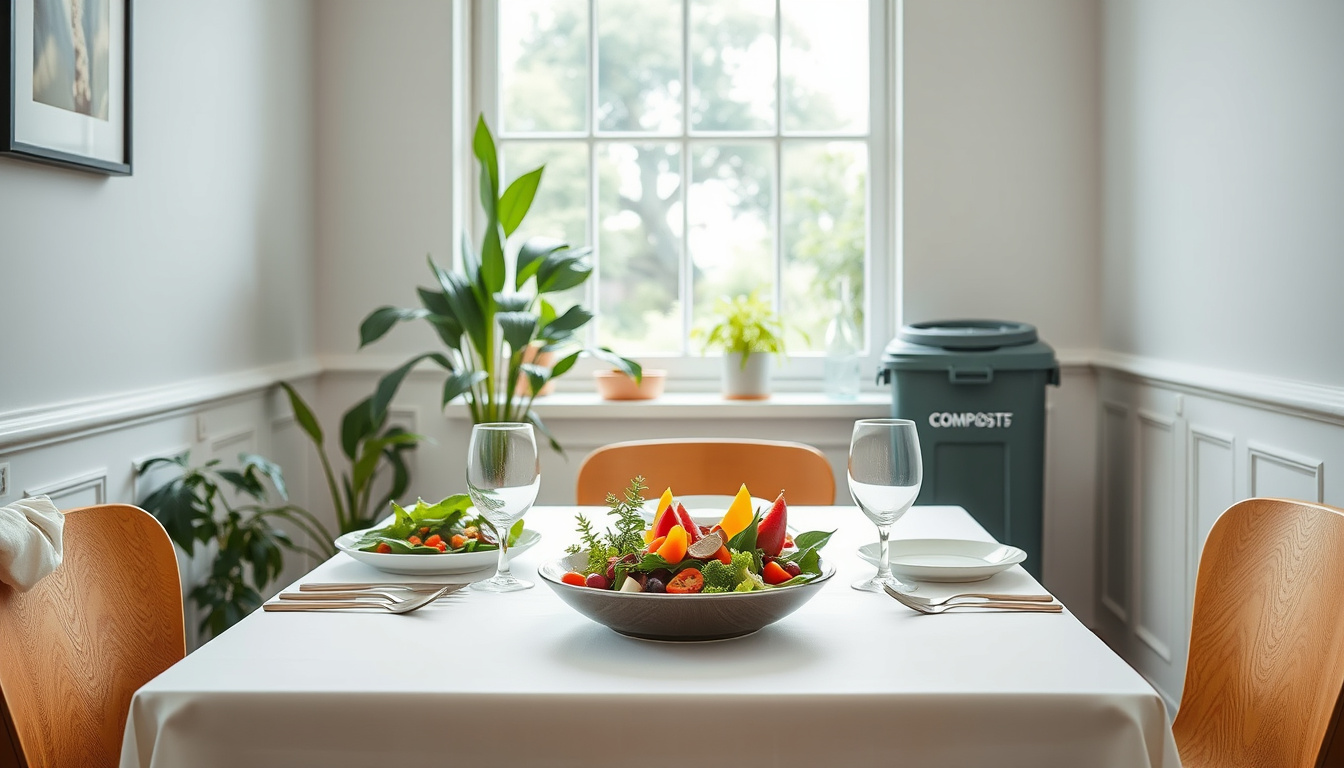
Traveling is a beautiful adventure filled with cultural exploration, stunning vistas, and culinary delights. However, managing food expenses while traveling can be a challenge, especially with fluctuating prices and unfamiliar cuisines. To help you enjoy your journey without breaking the bank, here are several mindful eating strategies to reduce food waste and subsequently manage expenses while traveling.
###
1. Plan Your Meals
Before embarking on your trip, research the local cuisine and dining options. Decide where you’d like to eat and create a loose meal plan. This not only curbs impulsive spending but also helps you align with local eating patterns, potentially reducing expenses.
###
2. Choose Accommodations Wisely
Selecting accommodations that offer kitchen facilities, like apartments or hostels with communal kitchens, allows for cooking your meals. Buying groceries and preparing your own meals is typically more cost-effective than dining out three times a day. In cities like Barcelona and Lisbon, markets are vibrant and affordable, making local ingredients readily available.
###
3. Embrace Local Street Food
Take advantage of street food stalls and local markets. These often offer delicious, authentic, and sizeable portions at a fraction of restaurant prices. For example, in Bangkok, you can find flavorful pad Thai for mere dollars. Street food not only provides a unique cultural experience but also minimizes food waste, as many vendors serve quick, fresh meals.
###
4. Portion Control and Sharing Meals
When dining out, consider sharing dishes with travel companions. Portions in many tourist-heavy areas can be large. Sharing meals not only helps manage expenses but also allows you to sample a wider variety of dishes. In places like New York City, tapas-style restaurants invite sharing, enhancing your culinary exploration without excess.
###
5. Repack Leftovers
Take advantage of leftovers! Many restaurants will box up any remaining food for you to enjoy later. This is particularly useful after a large meal, and it helps prevent food waste significantly. Revisit iconic meals or savor a hearty lunch from your dinner buy.
###
6. Engage in Mindful Eating
Practice mindfulness during meals by eating slowly and savoring every bite. This intentional approach can lead to better appreciation for your food, reducing the chances of overeating and waste. Focusing on the experience enhances your journey while also keeping food waste—and expenses—in check.
###
7. Local Grocery Stores & Runs
When you need snacks or quick meals, turn to local grocery stores. Exploring supermarkets can be an adventure itself, and you’ll likely stumble upon unique regional foods. In cities like Osaka, visit konbini (convenience stores) for affordable yet delicious options, from onigiri to bento boxes.
### Conclusion
In summary, managing food expenses while traveling can be efficiently achieved through mindful eating and strategic planning. By planning meals, embracing local street food, practicing portion control, and relying on grocery stores for snacks, you can experience diverse cuisines while minimizing waste and expenses.
As you discover breathtaking landscapes and rich cultures through your travels, let these strategies enhance your culinary experiences for both your palate and your wallet. Travel smarter, eat wisely, and enjoy the journey—your delicious adventure awaits.
Cultural Exploration: Enjoying Food Experiences Without Breaking the Bank
### Cultural Exploration: Enjoying Food Experiences Without Breaking the Bank
Traveling offers a unique opportunity to explore new cuisines, but managing your food expenses can certainly be a challenge. In this section, we’ll discuss how to manage food expenses while traveling, ensuring you can immerse yourself in local flavors without overspending.
####
1. Explore Local Markets
Visiting local markets not only allows you to taste authentic dishes but also gives you a chance to purchase fresh ingredients at a fraction of the cost of dining at restaurants. For example, in Bangkok, Thailand, the Chatuchak Market is famous for its street food stalls offering delicious and affordable snacks like skewered meats and fresh fruit.
####
2. Dine at Food Stalls and Street Vendors
Food stalls can provide you with some of the best meals for a very reasonable price. Cities like Mexico City and Hanoi are known for their vibrant street food culture, where you can savor tacos, banh mi, and pho without straining your budget. Not only do you get to taste the local cuisine, but you also get an authentic experience that restaurants often can’t replicate.
####
3. Take Advantage of Lunchtime Specials
Many restaurants offer special pricing during lunch hours. By planning your larger meals for midday rather than dinner, you can enjoy the same quality dining experience for a lower price. For instance, tapas bars in Barcelona often have affordable lunch menus, so you can sample a variety of dishes on a budget.
####
4. Join a Food Tour
Sometimes, spending a little upfront can save you money in the long run. Joining a local food tour allows you to try multiple dishes in one outing, and local guides can recommend affordable spots and hidden gems. Consider a culinary walking tour in San Francisco’s Mission District that showcases both food and culture.
####
5. Cook Your Own Meals
If your accommodation has cooking facilities, take the opportunity to shop for grocery items and prepare your own meals. Not only can this be a fun experience, but it can also dramatically cut costs. Look for local produce and meats at markets in regions like Tuscany, Italy, where farm-fresh ingredients are plentiful and affordable.
####
6. Use Dining Apps and Coupons
Take advantage of technology to find deals; there are numerous dining apps available that provide discounts at various restaurants. Utilize platforms such as Yelp or TripAdvisor to discover affordable eateries and read reviews before you decide where to dine. Websites like Groupon often have restaurant deals available in many international cities, helping you save even more.
Frequently Asked Questions
What are some tips for setting a budget for food expenses while traveling?
Start by determining your overall travel budget and allocating a specific percentage for food. Research the cost of dining in your destination beforehand to set realistic spending limits. Consider creating a daily food budget to help you keep track.
How can I find affordable dining options in a new city?
Research local cuisine through online reviews and travel blogs. Use apps like Yelp or TripAdvisor to discover budget-friendly restaurants, street food vendors, and local eateries that offer authentic experiences without high prices.
Is cooking my own meals while traveling a good way to save money?
Yes, cooking your own meals can significantly reduce food expenses. Look for accommodations with kitchen facilities, visit local grocery stores or markets, and purchase ingredients to prepare simple, budget-friendly meals.
What apps can help me find discounts or deals on food while traveling?
Apps like Groupon, Yelp, and Eat24 often provide discounts on local restaurants, takeout, and food delivery. Additionally, consider using travel-specific discount sites that focus on dining deals in specific locations.
What strategies can I use to minimize food waste while traveling?
Plan meals based on what you can realistically consume, save leftovers for future meals, and choose smaller portion sizes. Additionally, make a conscious effort to eat mindfully and appreciate each meal, which can help reduce the temptation to over-order.