
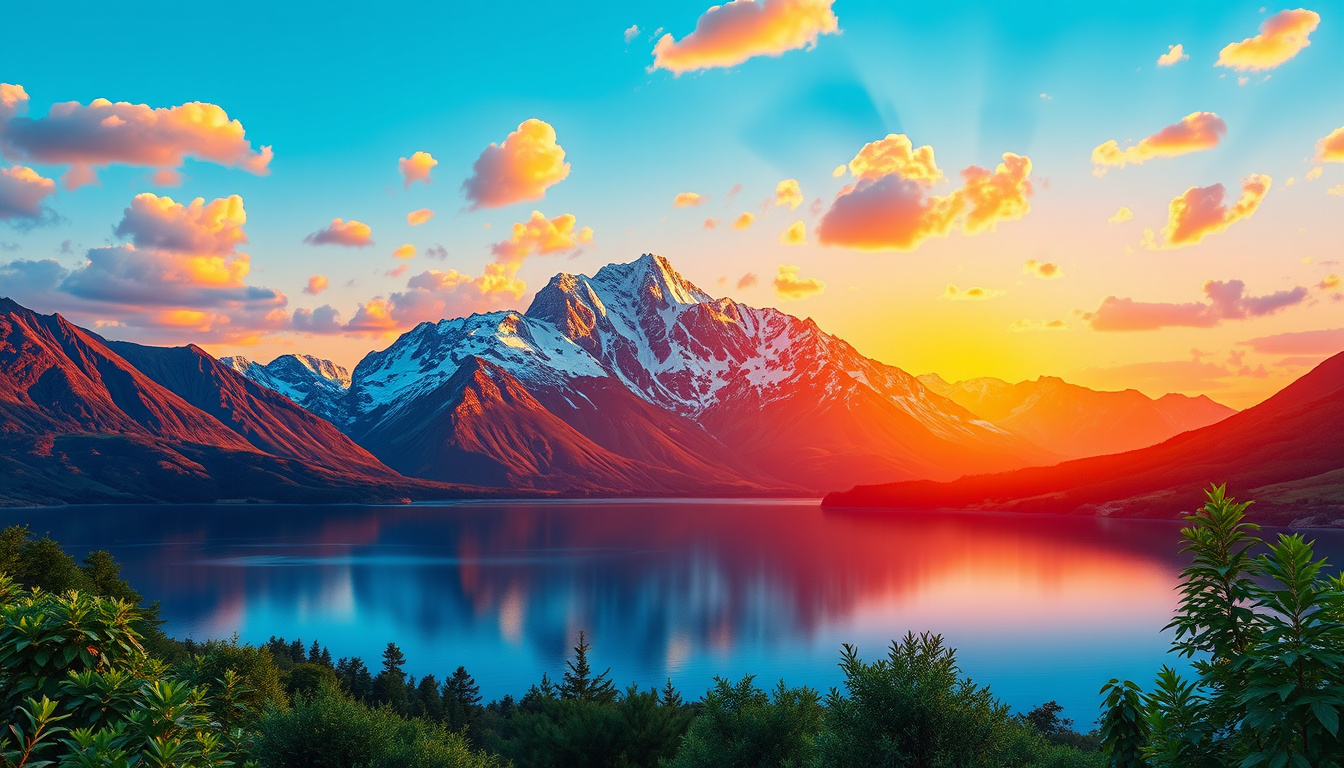
Capturing the essence of scenic landscapes while traveling is a deeply enriching experience that combines the art of photography with the awe of nature. For those looking to elevate their travel adventures through the lens, understanding how to photograph scenic landscapes while traveling is essential. From mastering the basics of landscape photography to choosing the right gear, framing captivating shots, and respecting nature in the process, this article will guide you through the intricate elements that contribute to stunning landscape photography. Embrace the wanderlust and prepare to document the breathtaking vistas that await you around the globe.
Key Takeaways
- Familiarize yourself with the basics of landscape photography to capture stunning images.
- Select lightweight and versatile gear tailored for travel to enhance your photography experience.
- Apply composition techniques like the rule of thirds to create balanced and compelling photos.
- Utilize the golden hour, sunrise, and sunset for optimal lighting in your landscape shots.
- Practice post-processing to enhance colors and details while respecting the natural environment.
1. Understanding Landscape Photography Basics
Landscape photography is a captivating way to capture the beauty of the world we travel through. To successfully achieve breathtaking images during your journeys, it’s vital to understand some fundamental principles. Here’s how to photograph scenic landscapes while traveling:
###
1. Understanding Landscape Photography Basics
• Composition: Start with the rule of thirds. Imagine dividing your frame into a 3×3 grid and position key elements along these lines or at their intersections. This technique creates balance and focal interest, leading the viewer’s eye through your photograph.
• Lighting: The golden hours—shortly after sunrise and before sunset—offer soft, diffused light that enhances colors and textures without harsh shadows. If you’re abroad, plan your shoots around these times for optimal results.
• Depth of Field: Use a small aperture (higher f-stop number) to increase depth of field, ensuring that both foreground and background are sharp and in focus. This is particularly important for landscapes, where you want to capture the full depth of the scene.
• Select a Focal Point: Whether it’s a mountain, tree, or flowing river, having a focal point provides a narrative anchor for your composition, helping to connect the viewer emotionally to the landscape.
### How to Photograph Scenic Landscapes While Traveling
1. Pack Smart: Always travel with your essential gear, which includes a camera with manual settings, a sturdy tripod, a variety of lenses (wide-angle for expansive views, telephoto for details), extra batteries, and memory cards.
2. Scout Locations: Research your destination ahead of time. Use tools like Google Earth to explore potential spots and time your visits for when the light will be best.
3. Incorporate Local Elements: Always consider including cultural markers or local flora and fauna in your shots. For instance, when photographing the fjords of Norway, include the wooden boathouses or quaint villages to provide context and storytelling depth to your images.
4. Limit Distractions: Aim to isolate your subject. Move around to find different angles and perspectives that can eliminate distracting elements in the frame.
5. Experiment with Other Techniques: Consider long exposures for waterfalls or streams to achieve that silky effect. Use filters, especially neutral density filters, to manage exposure during bright daylight.
In summary, photographing scenic landscapes requires a blend of artistic vision and technical knowledge. By understanding these basics and applying them while traveling, you can develop stunning visuals that not only tell a story but also transport viewers to beautiful places around the globe.
2. Choosing the Right Gear for Travel
When it comes to capturing the beauty of scenic landscapes while traveling, the right gear can make all the difference. Here’s how to choose the right equipment to enhance your photography experience:
### Essential Photography Gear
1. Camera: Choose a camera that suits your skill level—DSLRs and mirrorless cameras offer versatility and higher quality, while compact cameras are portable and user-friendly.
2. Lenses: A wide-angle lens (such as 16-35mm) is ideal for landscapes as it allows you to capture expansive views. A telephoto lens can also be used for distant subjects or compressing the landscape.
3. Tripod: Stability is crucial for landscape photography, especially in low light. A sturdy tripod helps you achieve sharp images without blurriness.
4. Filters: Consider using polarizing filters to reduce reflections and enhance colors in your landscapes. Neutral density filters are also useful for long exposure shots, allowing you to create smooth waterfalls or dynamic skies.
5. Memory Cards and Batteries: Always carry extra memory cards and batteries. Landscape photography often involves long days outdoors, and there’s nothing worse than running out of storage or battery life at a critical moment.
### Additional Accessories
• Lens Cleaning Kit: Dust and moisture can compromise your shots. A lens cleaning kit ensures your gear remains in top condition.
• Weather Protection: Use rain covers if you anticipate inclement weather; this will allow you to shoot in diverse conditions without risk to your camera.
• Backpack: A comfortable, weatherproof camera backpack is essential for carrying all your equipment so you can hike to those breathtaking viewpoints without discomfort.
### Recommended Travel Camera Models
• Canon EOS R5: Favored for its high resolution and excellent autofocus, suitable for both beginners and professionals.
• Nikon Z7 II: Known for outstanding image quality, especially in varied lighting situations.
• Sony Alpha a7 III: A great all-rounder, ideal for its compact nature and versatile performance.
### Final Tips for Choosing Gear
• Assess your travel style: If you prefer light packing, opt for a compact camera system. For serious photography, invest in higher-end DSLRs or mirrorless options.
• Test your gear: Before your trip, familiarize yourself with your equipment to ensure you can use it effectively when those perfect landscapes arise.
• Stay flexible: Sometimes the best gear is what you have at hand! Strive to find beauty in your surroundings, even if it means adapting with a smartphone when needed.
‘The horizon leans forward, offering you space to place new steps of change. The journey is yours to photograph, one landscape at a time.’ – Anon
3. Framing Your Shots: Composition Techniques
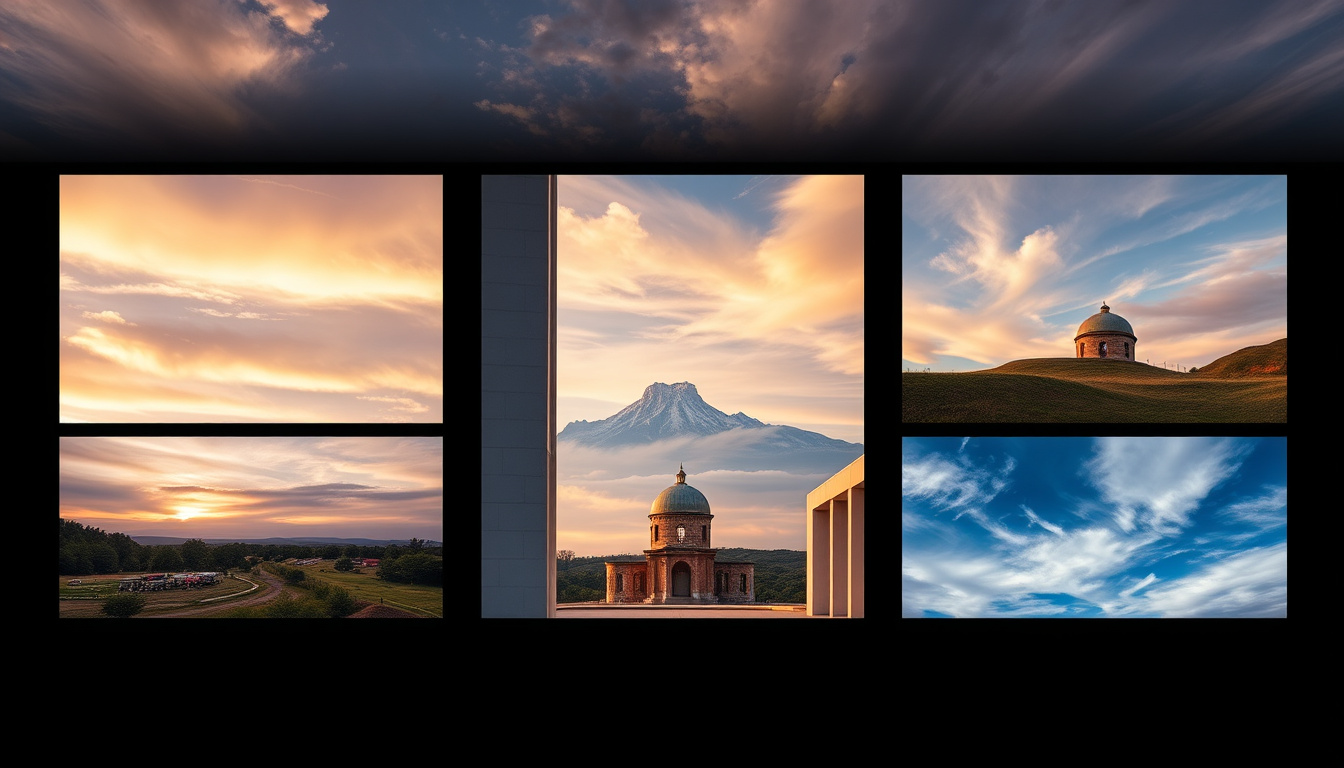
When learning how to photograph scenic landscapes while traveling, composition is key. A well-composed image not only captures the beauty of the landscape but also tells a story. Here are some composition techniques to elevate your landscape photography:
1. Rule of Thirds: Divide your frame into three equal parts both horizontally and vertically, placing the focal points along these lines or at their intersections. For example, positioning the horizon along the top third can create a more dynamic image.
2. Leading Lines: Use natural lines within the landscape, such as paths, rivers, or roads, to lead the viewer’s eye into the image. This technique adds depth and draws attention to the main subject.
3. Framing: Incorporate elements in the foreground or around the edges of your shot to frame the main subject. Trees, rocks, or archways can create a sense of depth and focus.
4. Symmetry and Patterns: Seek out symmetrical compositions or repeating patterns that can create visually striking images. This can often enhance the appeal of reflective landscapes, such as lakes or coastal scenes.
5. Golden Hour Lighting: Aim to shoot during the golden hour—the hour after sunrise and before sunset—as this light offers a warm glow and enhances the landscape’s textures.
By applying these composition techniques, you not only learn how to photograph scenic landscapes while traveling, but you also begin to develop a unique perspective that will resonate with your audience.
4. The Best Times to Capture Landscape Photos
Capturing the beauty of scenic landscapes while traveling is an art that requires the right timing, equipment, and techniques. Understanding how to photograph scenic landscapes while traveling can elevate your travel photography from simple snapshots to stunning images that convey the essence of your adventures.
###
4. The Best Times to Capture Landscape Photos
To maximize the impact of your landscapes, choosing the right time of day is essential. Generally, the golden hours — shortly after sunrise and before sunset — offer soft, diffused light that enhances the colors and details of the scenery. Here are some top tips for capturing breathtaking landscape photos at these times:
1. Plan Your Shoot
– Check Sunrise and Sunset Times: Utilize apps like PhotoPills or The Photographer’s Ephemeris to find out when the sun will rise or set, ensuring you’re composed and ready.
– Scout Locations: Visit your desired locations beforehand or use Google Earth to identify potential viewpoints and compositions.
2. Consider Weather Conditions
– Cloudy Days: Overcast weather can produce even lighting, making it easier to capture details without harsh shadows. Look for dynamic clouds that add depth to your images.
– After Rain: A fresh layer of rain can enhance colors and create reflections in puddles, perfect for striking landscape shots.
3. Avoid Windy Conditions
– Wind can disrupt your composition by moving trees and water surfaces. Aim for more calm days, especially if you’re photographing in nature where stability is crucial.
4. Seasonal Variations
– Spring: Ideal for blooming flowers and vibrant greenery, visit locations like the Tulip Fields of Skagit Valley in Washington, USA, or the Cherry Blossoms in Kyoto, Japan, for colorful imagery.
– Autumn: Experience rich hues of orange and red, especially in regions like New England in the USA or the Lake District in England.
– Winter: Snow-capped mountains and serene landscapes create a different but equally stunning aesthetic. Consider places like Banff in Canada or the Dolomites in Italy.
5. Golden Hour Techniques
– Use Low Angles: Position the camera closer to the ground to capture interesting foreground elements that lead the eye into the scene.
– Backlighting: Utilize backlighting during golden hour to create silhouette effects or to highlight the translucency of elements like leaves and grasses.
By mastering the timing and techniques of landscape photography, you can transform ordinary moments into extraordinary memories, capturing the essence of your travels in a way that tells a story and evokes emotion.
5. Post-Processing Tips for Enhancing Photos
###
5. Post-Processing Tips for Enhancing Photos
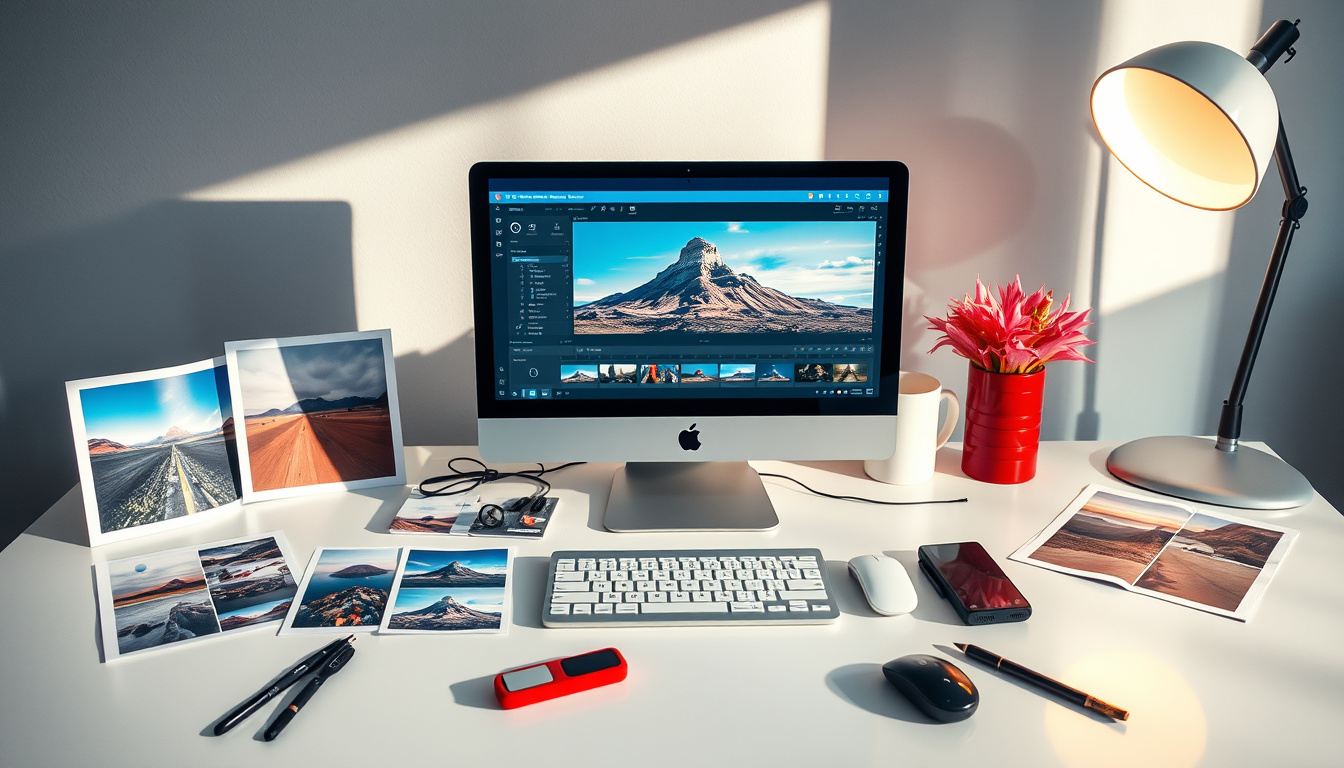
After capturing stunning scenic landscapes during your travels, the next step in showcasing your journey through photography is post-processing. This crucial phase allows you to refine your images and elevate their visual impact. Here are some actionable tips on how to photograph scenic landscapes while traveling through effective post-processing:
1. Choose the Right Software:
– Popular options for landscape photography editing include Adobe Lightroom, Photoshop, and Capture One. Each offers unique tools tailored for enhancing images while maintaining their natural beauty.
2. Adjust Exposure and Contrast:
– Start by correcting the exposure if your photo is too bright or dark. Adjust the contrast to add depth, making the foreground pop against the backdrop. A slight increase in contrast can give your landscape a more dynamic feel.
3. Enhance Colors with Saturation and Vibrance:
– Boosting saturation can make colors more vivid, but be cautious not to overdo it, as it can lead to unrealistic hues. Instead, focus on using vibrance, which enhances the muted colors without affecting the vibrant ones too much.
4. Sharpen and Reduce Noise:
– Applying sharpening enhances the details in your landscapes, especially in the textures of rocks, trees, and clouds. At the same time, use noise reduction techniques to smooth out any grain that may appear, particularly in low-light conditions.
5. Consider Crop and Composition:
– Often, slight adjustments in composition can lead to a more balanced photograph. Use the crop tool to remove any distractions around the edges of your shot, optimizing for the Rule of Thirds to draw the viewer’s eye to focal points in the landscape.
By implementing these post-processing tips, you can elevate your travel photography, making your scenic landscapes not only memorable but also visually stunning. Remember, the goal is to enhance your images while preserving the authenticity of your journey.
6. Respecting Nature and the Environment While Photographing
###
6. Respecting Nature and the Environment While Photographing
When learning how to photograph scenic landscapes while traveling, one crucial aspect often overlooked is the importance of respecting the natural environment. As travelers and photographers, we have a responsibility to preserve the beauty that surrounds us, ensuring that future generations can enjoy these breathtaking vistas. Here are some actionable tips to keep in mind:
• Stay on Designated Trails: Whenever you’re exploring nature, stick to marked paths to prevent damaging fragile ecosystems. Off-trail wandering can lead to soil erosion and disturb wildlife habitats.
• Avoid Disturbing Wildlife: When photographing animals, maintain a safe and respectful distance. Never feed them or approach too closely, as this can disrupt their natural behaviors.
• Leave No Trace: Always carry out whatever you bring in, including trash and personal items. Practicing Leave No Trace principles is essential for maintaining the pristine quality of natural spaces.
• Use Natural Lighting: Opt for early morning or late afternoon light for your photography. Not only does this create stunning images, but it also minimizes the need for using harsh artificial lighting that can disturb wildlife.
• Be Mindful of Your Impact: Consider the materials and methods you’re using for photography. For example, if you’re using a drone, ensure you are complying with local regulations to avoid disturbing both wildlife and other visitors.
By integrating these practices into your scenic landscape photography, you ensure that your travel experiences contribute positively to the natural world. This respect not only enriches your own connection with nature but also enhances the stories you share through your images.
Frequently Asked Questions
What are the basics of landscape photography I should know before traveling?
Understanding landscape photography basics includes knowing how to use natural lighting, framing your shots, and the importance of depth of field. Familiarize yourself with the rule of thirds and how to create a balanced composition to enhance your photographs.
What camera gear is recommended for traveling photographers?
For travel, a lightweight DSLR or mirrorless camera, versatile zoom lenses, a tripod, and filters are suggested. Make sure to pack extra batteries and memory cards to ensure you do not miss any shots.
What composition techniques should I use when framing my landscape shots?
Utilize techniques such as the rule of thirds, leading lines, and framing with natural elements. Experiment with different angles and perspectives to make your landscape photos more dynamic.
What are the best times to photograph landscapes while traveling?
The golden hour, which is shortly after sunrise and before sunset, is ideal for landscape photography due to the soft, warm light. Additionally, overcast days can provide even lighting and enhance colors.
How can I enhance my landscape photos during post-processing?
Use software like Adobe Lightroom or Photoshop to adjust exposure, contrast, and saturation. Cropping can also improve composition, and applying local adjustments can bring out details in specific areas of the photo.