
Traveling solo can be one of the most enriching experiences of your life, offering you the freedom to explore new places, meet interesting people, and discover more about yourself. However, with this freedom comes a certain level of responsibility, particularly concerning your safety. In this comprehensive guide on how to stay safe as a solo traveler, we’ll delve into essential preparation methods, choosing the right accommodation, maintaining awareness of your environment, securely managing your valuables, trusting your instincts, and having a solid plan for emergencies. Whether you’re setting out on a trek through the vibrant streets of Tokyo or a serene journey along the Amalfi Coast, these strategies will empower you to travel confidently and enjoy your adventures to the fullest.
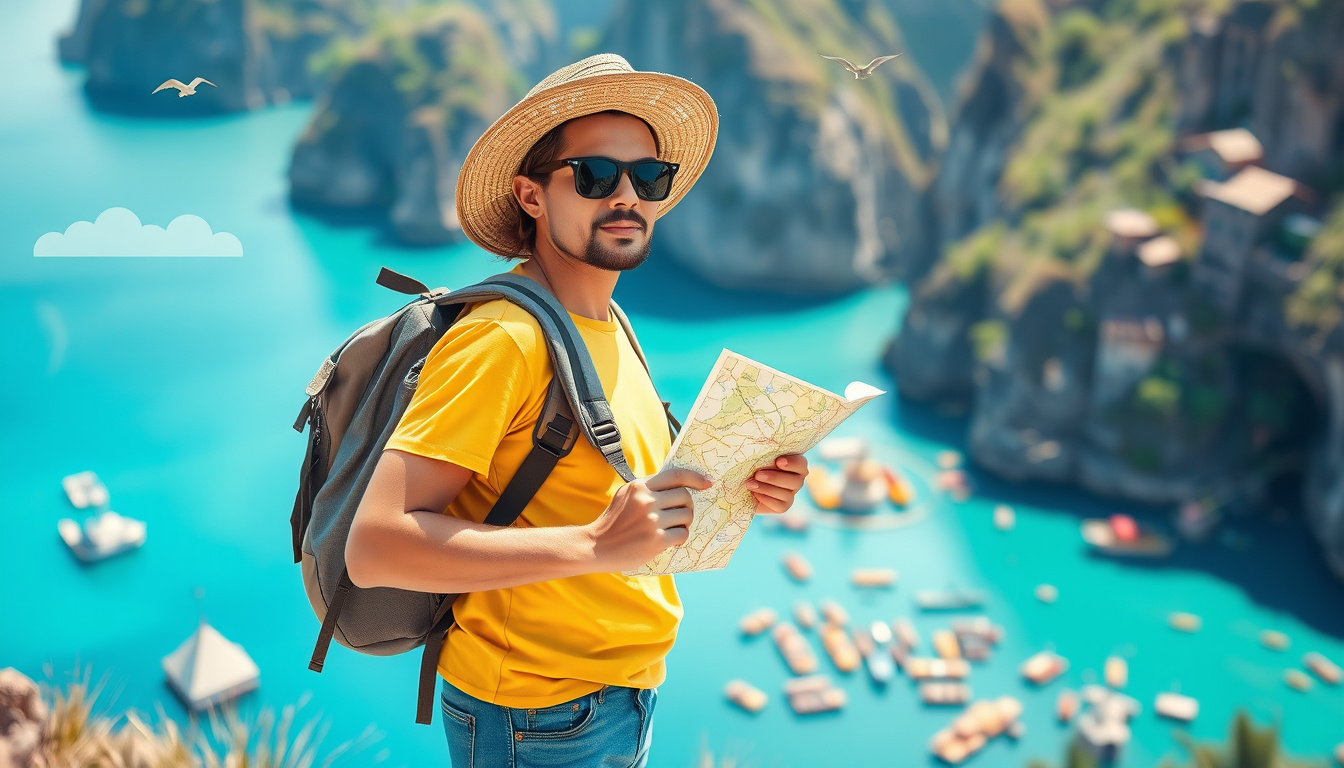
Key Takeaways
- Thorough research and careful planning can significantly enhance your safety as a solo traveler.
- Opt for accommodations that prioritize security and have positive reviews from other travelers.
- Stay vigilant and aware of your surroundings to identify potential risks during your travels.
- Secure your valuables properly to prevent theft and loss while exploring new places.
- Always trust your instincts and maintain regular communication with friends or family.
1. Preparing for Your Trip: Research and Plan Ahead
### Preparing for Your Trip: Research and Plan Ahead
When it comes to solo travel, preparation is key to a safe and enjoyable experience. Understanding your destination—its culture, local laws, and potential safety concerns—will empower you to navigate confidently. Here’s how to stay safe as a solo traveler through effective research and planning:
1. Know the Area: Familiarize yourself with the neighborhoods you plan to visit. Use resources like travel forums, blogs, and government travel advisories to identify safe versus unsafe areas.
– Example: When traveling to Barcelona, avoid poorly lit streets in less populated neighborhoods late at night, and stick to well-trafficked areas.
2. Stay Connected: Keep a local SIM card or portable Wi-Fi device handy. This will ensure you have access to maps and emergency contacts at all times.
– Tip: Download useful apps such as Google Maps, and offline translation apps, and ensure you have the contact details of your embassy at hand.
3. Set an Itinerary: It’s helpful to have a rough itinerary of your daily activities. Share this with a trusted friend or family member, who can check in on your progress and well-being.
4. Emergency Preparedness: Research the local emergency numbers and the location of nearby hospitals. Make a habit of having a small first aid kit on you, especially if exploring remote regions.
– Quick Tip: In Japan, the emergency number for the police is 110, while for medical assistance, it’s
119.
By taking the time to research your destination and prepare accordingly, you’ll not only ensure your safety but also enhance your overall travel experience. Remember, knowledge is power when it comes to solo traveling, putting your mind at ease so you can enjoy your adventure!
2. Choosing Safe Accommodation Options
When embarking on a journey alone, ensuring your safety is paramount. Here are essential tips on how to stay safe as a solo traveler when it comes to choosing accommodation options:
###
1. Research Before You Book
• Read Reviews: Check platforms like TripAdvisor, Booking.com, and Airbnb for recent reviews from solo travelers.
• Location Matters: Select accommodations in safe neighborhoods. Aim for areas known for their hospitality and vibrant local culture.
###
2. Verify the Host or Hotel
• Check Credentials: For rentals, look for verified hosts and check their response rate and review history.
• Professional Listings: Choose well-known hotels or chains that prioritize guest safety, offering 24-hour reception and security services.
###
3. Utilize Trusted Platforms
• Use Reputable Sites: Book your stay through well-established travel sites that have customer service to resolve issues.
• Secure Payment Methods: Always use secure payment gateways to protect your financial information.
###
4. Prioritize Features
• Safety Amenities: Look for accommodations with safety features like electronic locks, in-room safes, and smoke detectors.
• Access Control: Consider places with controlled access to ensure no unauthorized entries occur.
###
5. Trust Your Instincts
• Follow Your Gut: If something feels off when you arrive, don’t hesitate to leave and find another option. Remember, your peace of mind is crucial.
• Ask Questions: Engage with the staff or other guests about the area; often, locals can provide insights on safety or must-visit spots.
By taking these steps when selecting accommodations, you enhance your safety and create a more enjoyable solo travel experience. Armed with these insights on how to stay safe as a solo traveler, you can confidently explore new destinations, meet new people, and fully immerse yourself in the culture around you.
‘The world is a book, and those who do not travel read only one page.’ – Saint Augustine

3. Staying Aware of Your Surroundings
Staying aware of your surroundings is a crucial aspect of learning how to stay safe as a solo traveler. The ability to observe the environment you’re in not only enhances your overall experience but is an essential skill for safeguarding your well-being. Here are some actionable tips to elevate your situational awareness while traveling alone:
1. Stay Off Your Phone: Avoid becoming engrossed in your phone, especially in unfamiliar areas. This can distract you from potential hazards or changes in your environment.
2. Observe Local Behavior: Pay attention to how locals act in different situations, whether it’s waiting at a bus stop, dining in a restaurant, or walking in public spaces. Their behavior can help you identify social norms and potential risks.
3. Use a Map: Familiarize yourself with your surroundings by studying maps or local guides before moving to a new area. This preparation reduces the chances of getting lost and heightens your confidence.
4. Trust Your Instincts: If a situation feels uncomfortable or unsafe, trust your gut feeling. It’s better to change your plans than to push through an uneasy situation.
5. Choose Your Accommodations Wisely: Stay in well-reviewed hostels or hotels located in safe neighborhoods. Research areas known for safety before booking your stay.
6. Engage with Others: While it’s essential to maintain a level of caution, connecting with other travelers can keep you informed about safety issues. Fellow solo travelers can share their experiences and tips that might guide you effectively.
By incorporating these practices into your travel routine, you will enhance your sense of security and overall enjoyment as a solo traveler. Remember, being aware is about finding that balance between enjoying your journey and staying vigilant.
4. Keeping Your Valuables Secure
###
4. Keeping Your Valuables Secure
As a solo traveler, ensuring the safety of your valuables is a top priority. Here are some effective strategies to help you protect your belongings while exploring new destinations:
1. Use a Crossbody Bag: Opt for a crossbody bag that can be easily secured and kept close to your body. This reduces the likelihood of theft, as it is more difficult for pickpockets to access.
2. Invest in Anti-Theft Gear: Consider purchasing bags or pouches designed specifically for travel with anti-theft features such as lockable zippers and cut-resistant straps.
3. Keep Essentials Close: Always keep important items—like your passport, credit cards, and cash—in a secure location, preferably a money belt or a hidden pouch that sits underneath your clothing.
4. Be Cautious With Technology: Secure your devices such as smartphones and laptops with passwords and tracking software. Avoid displaying expensive gadgets in crowded places, and be discreet when using them.
5. Distribute Valuables: Rather than keeping all your money and cards in one spot, divide them among different bags and pockets. In case of theft or loss, you will still have access to funds.
6. Use Hotel Safes: If you are staying in a hotel, take advantage of the safe provided in your room to store valuable items when you are out exploring.
7. Stay Aware of Your Surroundings: Stay vigilant, especially in crowded areas and transport hubs. Pay attention to individuals acting suspiciously or creating distractions.
By implementing these strategies, you can greatly reduce the risk of losing your valuables while enjoying the thrill of solo travel.

5. Trusting Your Instincts and Staying Connected
As a solo traveler, trusting your instincts is vital for your safety and well-being. Often, your intuition can guide you in situations where you feel uncertain. Here are some actionable tips to help you stay safe:
1. Listen to Your Gut: If a place or situation feels off, don’t hesitate to remove yourself from it. Whether it’s an uncomfortable conversation or an unfamiliar neighborhood, your instincts are your best defense.
2. Stay Connected: Make it a habit to share your itinerary with a trusted friend or family member back home. Regular check-ins through text or social media can reassure both you and your loved ones about your safety.
3. Use Technology Wisely: Leverage safety apps that allow you to track your journey and alert someone if you feel unsafe. Apps such as Life360 or bSafe enable you to share your location in real-time and provide numerous safety features.
4. Avoid Over-sharing: While it’s good to be friendly, be cautious about revealing too much personal information to people you just met. Keep details like your travel plans and accommodations to a minimum.
5. Blend In: Dress like a local and familiarize yourself with cultural norms to avoid drawing attention as a tourist. Researching the local customs can help you navigate social interactions more easily, making you feel less like an outsider in new environments.
By trusting your instincts and maintaining connections, you can enjoy the freedom of solo travel while prioritizing your safety.
6. Emergency Protocols: What to Do If Things Go Wrong
###
6. Emergency Protocols: What to Do If Things Go Wrong
Safety is crucial when embarking on a journey alone, and knowing how to stay safe as a solo traveler can significantly ease your mind. Even with careful planning, unforeseen circumstances may arise. Here are some emergency protocols to ensure your safety and well-being while traveling alone:
1. Stay Calm and Assess the Situation
When something goes wrong, whether it’s losing your wallet or getting lost in a new city, your first instinct should be to stay calm. Take a moment to assess the situation and think through your options clearly. Panic can cloud your judgment, so breathe deeply and gather your thoughts.
2. Know Emergency Contacts and Local Services
Before you leave home, research essential emergency contacts for your destination. This includes:
– Local police and emergency services numbers.
– The nearest embassy or consulate if you’re in a foreign country.
– Local hospitals or medical facilities.
Keep this information saved on your phone and have a printed copy as a backup.
3. Have a Backup Plan
Create an action plan for various scenarios. For instance:
– If you lose your passport, know how to report it and the steps to get a replacement.
– If your accommodation is unsafe, have a list of alternative hotels or hostels you can check into nearby.
– Keep emergency cash separate from your main wallet, and consider using travel insurance to alleviate unexpected costs.
4. Stay Connected
Maintain communication with trusted friends or family during your travels. Regularly check in with them, providing updates on your location and plans. They can assist in case of an emergency, providing you with an added layer of safety.
5. Trust Your Instincts
As a solo traveler, your intuition is your best ally. If something feels off or unsafe, don’t hesitate to leave the situation or place. Trusting your gut can help you avoid potentially dangerous scenarios.
6. Utilize Technology Wisely
Leverage technology for safety by:
– Downloading safety apps like emergency alert systems that can share your location with a select group.
– Using navigation apps to avoid unsafe areas.
– Having video call capabilities to reach out to someone if you feel threatened.
7. Be Aware of Your Surroundings
Always stay vigilant and aware of your surroundings. This includes watching for any unusual behavior or changes in your environment. Approach unfamiliar areas with caution, stick to busy and well-lit streets, and avoid distractions like using your phone excessively.
By following these protocols, you’ll be better equipped to handle any emergencies during your travels. Knowing how to stay safe as a solo traveler isn’t just about preparation; it’s also about maintaining a level head and being ready to adapt to any situation.
Frequently Asked Questions
What are some essential tips for preparing for my trip as a solo traveler?
Before traveling solo, research your destination thoroughly, including local customs, laws, and areas to avoid. Create a detailed itinerary and share it with someone you trust.
How can I choose safe accommodation when traveling alone?
Look for accommodations with excellent reviews focusing on security. Select well-known hotels or hostels in safe neighborhoods, and check for features like lockers or 24-hour reception.
What should I do if I feel unsafe while exploring a new area?
Stay alert to your surroundings and trust your instincts. If you feel uncomfortable, leave the area, seek help from locals, or move to a safer, populated place.
How can I keep my valuables secure while traveling solo?
Use anti-theft bags, keep valuables close, and avoid displaying expensive items. Consider using hotel safes or lockers and carry only what you need for the day.
What emergency protocols should I have in place for my solo travels?
Know the local emergency numbers, have a plan for how to contact local authorities or your embassy if needed, and keep a copy of important documents like your passport and emergency contacts.