
Travel is not just about the destinations we visit but also about the experiences we accumulate along the way. One of the most profound dimensions of travel is the sentiment of nostalgia, which often adds a layer of meaning to our journeys. In this article, we will delve into why nostalgic travel feels meaningful, exploring various facets such as the psychological benefits it offers, how it enhances our travel experiences, and the connections we forge with our heritage. We will also examine the influence of media and culture on nostalgic travel, demonstrating how our past shapes our present experience. Whether you’re retracing childhood steps in a family hometown or exploring destinations tied to significant periods in your life, understanding the essence of nostalgic travel can enrich your adventures. Join us as we embark on a journey that intertwines memory with exploration, illuminating the reasons why nostalgic travel resonates so deeply within us.

Key Takeaways
- Nostalgic travel allows individuals to reconnect with their past and evoke cherished memories.
- Engaging in nostalgic travel can enhance psychological well-being and reduce stress.
- Nostalgia can enrich travel experiences by providing deeper emotional connections to places and activities.
- Exploring heritage and personal history through travel fosters a sense of identity and belonging.
- Media and cultural influences shape our nostalgic travel choices, guiding us to revisit significant life moments.
Understanding Nostalgia in Travel
Nostalgic travel often evokes deep emotional connections as it invites us to revisit places tied to our past experiences, cherished memories, and cultural heritage. This phenomenon, rooted in the compelling interplay between memory and place, allows travelers to reflect on their personal journeys while exploring the physical landscapes that shaped those memories. When we ask, ‘Why nostalgic travel feels meaningful?’ it becomes clear that this type of exploration transcends mere sightseeing. It serves as a conduit for self-discovery and emotional healing, creating feelings of warmth and familiarity. Consider the allure of returning to your childhood vacation destination, whether it be a sunny beach in Florida or a serene cottage in the countryside of England. These places may not only rekindle joyful memories but also illuminate how far you have come in your life’s journey. Thus, nostalgic travel can profoundly impact one’s well-being, fostering a sense of belonging and connection in an ever-changing world.
Psychological Benefits of Nostalgic Travel
Nostalgic travel offers profound psychological benefits that connect us to our past while enriching our present experiences. Many individuals find themselves questioning: Why does nostalgic travel feel meaningful? This sentiment springs from our natural desire to revisit cherished memories and familiar places, which often serve as a balm for the mind and soul. When we engage in nostalgic travel, we embark on a journey that transcends mere physical exploration; we reconnect with aspects of our identity, celebrate our personal histories, and even face unresolved feelings from our past.
Traveling to locations tied to childhood experiences or significant life events can evoke a spectrum of emotions—from joy and contentment to reflection and growth. For example, a trip to the quaint town where you spent summer vacations may rekindle memories of laughter with family, igniting a sense of warmth and belonging.
Moreover, engaging in nostalgic travel can stimulate our brains in beneficial ways, encouraging us to reflect positively on life’s journey. It serves as a reminder of our roots and values, promoting a sense of gratitude and resilience. The sensory experiences of revisiting familiar sights, scents, and sounds can enhance mindfulness, allowing us to savor the present moment while honoring our past. Thus, when we ask why nostalgic travel feels meaningful, it becomes clear: it is a journey of self-discovery, reaffirmation, and emotional healing, linking our current selves with the moments and memories that have shaped us.
‘Nostalgia is a file that removes the rough edges from the good old days.’ – Doug Larson
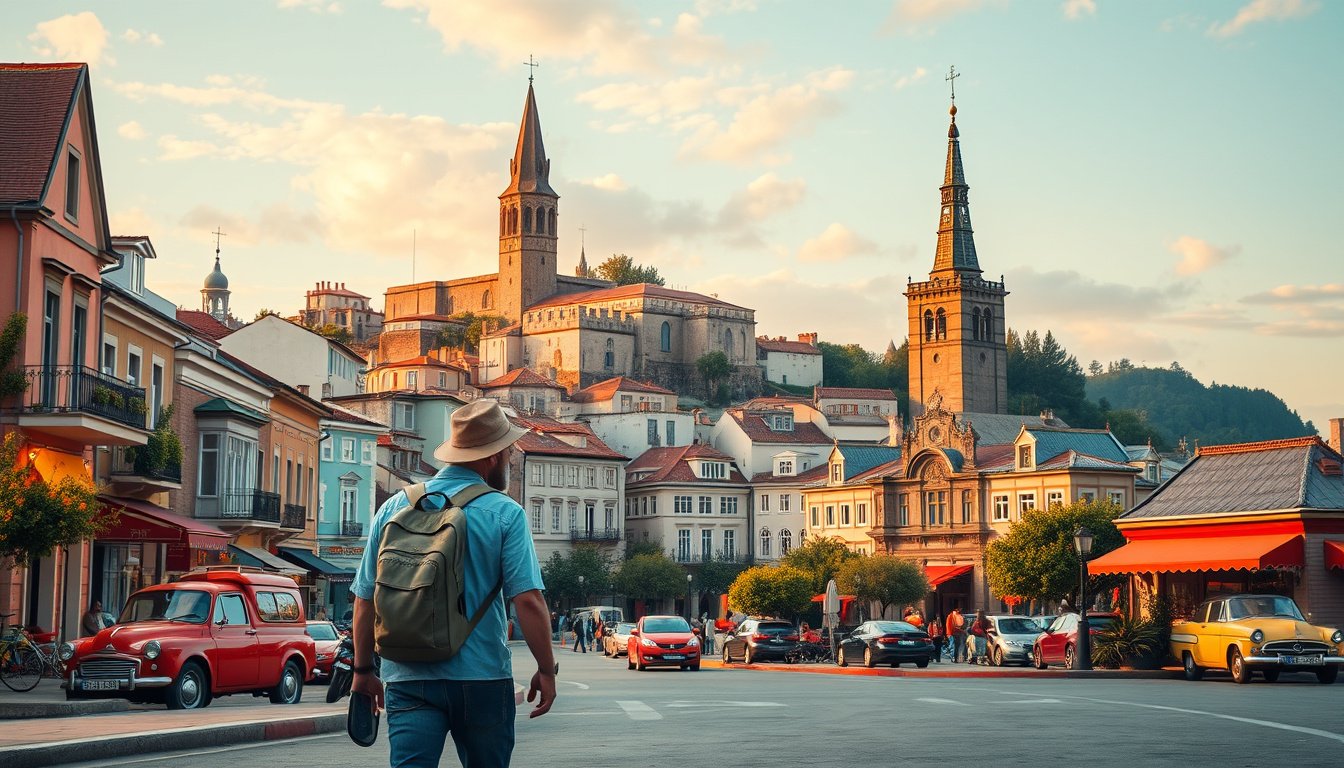
How Nostalgia Enhances Travel Experiences
## How Nostalgia Enhances Travel Experiences
### Why Nostalgic Travel Feels Meaningful
Nostalgia has a unique way of enriching travel experiences, adding an unmistakable layer of depth and connection. When we travel, especially to places tied to our past, we often find ourselves engulfed in a wave of memories. This sensory journey not only amplifies enjoyment but also serves as a conduit to personal reflection and emotional healing.
#### The Power of Memory
Reflecting on our childhood vacations or family trips can evoke feelings of warmth and joy. For instance, visiting a quaint village in Tuscany, Italy, where your family once explored, can reignite cherished childhood memories—an experience that standard sightseeing might not replicate. Studies have shown that reminiscing about positive past experiences can enhance happiness and foster a sense of belonging, leading to a more fulfilling travel journey.
#### The Four Dimensions of Nostalgia in Travel
To fully appreciate why nostalgic travel feels meaningful, consider exploring these four dimensions of nostalgia:
1. Sentimental Value: Locations rich in personal history, such as the small coastal town where you spent summers as a child, can evoke strong emotional responses.
2. Cultural Connection: Engaging with cultural traditions that connect to your heritage, like participating in local festivals in Ireland, can bring a sense of identity and roots.
3. Sensory Stimulation: Often, sights, sounds, and scents trigger memories that transport us back in time. Walking through lavender fields in Provence, France, might remind you of your grandmother’s garden, making the travel experience profoundly personal.
4. Shared Experiences: Traveling with family or friends who share those nostalgic connections can enhance the journey, transforming it into a collective reminiscence that strengthens bonds and creates new memories.
### Tips for Crafting a Nostalgic Travel Experience
To harness the power of nostalgia in your travels, follow these actionable tips:
• Choose Meaningful Destinations: Consider places of personal importance or destinations that hold historical significance for you or your family.
• Create Rituals: Establish travel traditions, such as revisiting favorite local restaurants or visiting the same landmarks, to evoke memories from past trips.
• Document Your Journey: Keep a travel journal or blog to reflect on experiences, noting how they’ve touched your heart and mind, enhancing your sense of nostalgia.
• Engage with Locals: Conversations with residents can provide additional insight into the cultural background of the places you love, adding richness and context to your experiences.
### Conclusion
In conclusion, nostalgic travel fosters a meaningful connection between our past and present, enabling us to experience deeper happiness and fulfillment. By embracing the memories associated with our travels—whether they’re linked to specific destinations or cultural practices—we create richer, more rewarding journeys.
So, the next time you plan your trip, consider how you can incorporate nostalgia into your travel experiences. From exploring your ancestral roots in Greece to rediscovering the charm of your childhood vacation spot in the Caribbean, the power of memories can turn an ordinary trip into an extraordinary adventure.
Connecting with Heritage and Personal History
Nostalgic travel allows individuals to reconnect with their roots, providing a rich tapestry of memories woven from personal history and cultural heritage. Exploring destinations that embody familial ties or significant moments in one’s life offers a profound sense of belonging and identity. Whether it’s revisiting a childhood hometown, tracing the footsteps of ancestors, or immersing oneself in the traditions that shape personal narratives, these journeys foster a deep emotional connection. For example, visiting the historic streets of Florence can evoke memories of family stories shared over meals, or a trip to the rural countryside of Ireland may illuminate the landscapes of one’s ancestry. By revisiting places imbued with memories, travelers can create new experiences and meaningful reflections on their life’s journey, truly encapsulating why nostalgic travel feels meaningful.

Creating New Memories Through the Lens of the Past
### Creating New Memories Through the Lens of the Past
Nostalgic travel—visiting places that hold personal significance or evoke memories of the past—has a unique way of stirring emotions and fostering connections with our history. But why does this form of travel feel so meaningful? For many, revisiting locales that shaped their formative years can elicit a profound sense of joy, reflection, and belonging. From childhood vacations in the countryside to high school road trips with friends, these memories often serve as anchor points in our lives.
Understanding the Emotional Pull of Nostalgic Travel
Nostalgic travel taps into our innate desire for connection, reminding us of who we are and where we come from. Studies in psychology suggest that nostalgia can increase feelings of happiness, self-esteem, and optimism. As we retrace our steps to places that once brought us joy, we renew our sense of identity while also creating new memories.
Here are a few reasons why nostalgic travel resonates so deeply:
• Emotional Connection: Visiting familiar places can evoke positive memories and emotions, providing comfort and happiness.
• Reflection and Growth: Revisiting our past helps us reflect on personal growth, offering new perspectives and appreciating the journey we’ve made.
• Bonding Experiences: Sharing nostalgic travel experiences with family or friends can strengthen bonds, facilitating deeper connections through shared memories.
How to Plan a Meaningful Nostalgic Journey
Below are some tips to help you craft a memorable journey that intertwines past and present:
1. Choose Significant Locations: Identify sites that hold memories for you, whether it’s a childhood home, a favorite vacation spot, or a city that shaped your early adulthood.
2. Capture the Moment: Use photography to document your journey. Create a scrapbook or online album to blend old and new memories together.
3. Reconnect with Old Friends: If possible, reach out to friends or family who shared those experiences. Organize a reunion or visit them together to relive the past.
4. Reflect on Your Journey: Set aside time to journal or meditate about your experiences as you travel. Consider how your past has influenced your present and future.
5. Incorporate New Adventures: Balance nostalgic visits with new experiences. Try local activities or attractions that you didn’t explore in the past, enriching your journey with fresh memories.
The Influences of Media and Culture on Nostalgic Travel
## The Influences of Media and Culture on Nostalgic Travel
Nostalgic travel paints a vivid tapestry interwoven with the threads of our personal lives and the broader strokes of cultural representation. Understanding why nostalgic travel feels meaningful begins with recognizing how media has shaped our perceptions of places, events, and experiences. Films, music, literature, and even social media contribute significantly to our motivations for travel, evoking memories and emotions tied to specific narratives or periods.
### The Power of Cinema
Consider how iconic films and series transport us to certain locales, creating a burning desire to experience them firsthand. A movie like ‘Midnight in Paris’ not only romanticizes the streets of Paris but has made the city synonymous with the golden age of literature. Travelers often seek popular film destinations to recreate those cinematic moments, deepening their connection to the narrative and culture depicted.
### Music and Memory
Music also plays a crucial role in nostalgic travel. Songs have the power to evoke memories that transport us back in time, drawing us towards specific destinations that played a significant role in our past or were celebrated in iconic songs. For instance, visiting Memphis, Tennessee, to explore the roots of blues and rock ‘n’ roll can stir up emotions and memories tied deeply to personal musical experiences.
### Literature and Locality
Literature offers another layer of connection. Classic novels and poetic works often highlight local customs, histories, and landscapes. Travellers may be inspired to visit places like the English countryside upon reading the works of authors like Jane Austen or the scenic shores of Lake Geneva after immersing themselves in Mary Shelley’s ‘Frankenstein’.
### Social Media’s Impact
In today’s digital age, social media platforms serve as both an inspiration and a guide for travel. Instagram, Pinterest, and travel blogs showcase destinations with a nostalgic element, highlighting vintage aesthetics and historical appeal. The hashtag culture encourages travelers to engage with places that resonate with their personal stories or collective memories. A picturesque café in Lisbon believed to have been a meeting point for famous writers can inspire many to visit purely for the romantic notion of walking in the footsteps of their literary heroes.
### Cultural Significance and Personal Resonance
Ultimately, the meaningfulness of nostalgic travel lies in the interplay of personal experiences and broader cultural influences. Visiting a childhood vacation spot, a beloved family home, or a destination that featured prominently in our formative years can ground us and provide a sense of belonging. Nostalgic travel allows for reflection on our personal histories while at the same time connecting us with the cultural narratives that shaped our thoughts and dreams.
By embracing the influences of media and culture, travelers can craft journeys that not only enrich their souls but also celebrate the universal stories that bind us all.
Frequently Asked Questions
What is nostalgic travel?
Nostalgic travel refers to trips taken to places that evoke personal memories or significant moments from the past, creating an emotional connection that enhances the travel experience.
What psychological benefits does nostalgic travel provide?
Nostalgic travel can lead to improved mood, reduced anxiety, and greater life satisfaction by fostering a sense of belonging, purpose, and continuity between the past and present.
How does nostalgia enhance travel experiences?
Nostalgia enhances travel experiences by creating a deeper emotional connection to places, allowing travelers to reflect on their past, and providing opportunities to relive cherished memories.
In what ways can nostalgic travel connect us to our heritage?
Traveling to sites of personal or cultural significance can deepen our understanding of our heritage, allowing us to explore our familial roots and cultural identity.
How does media and culture influence nostalgic travel?
Media and cultural references often shape our perceptions of places, influencing our desire to visit them based on shared cultural narratives, memories portrayed in films, music, or literature.