
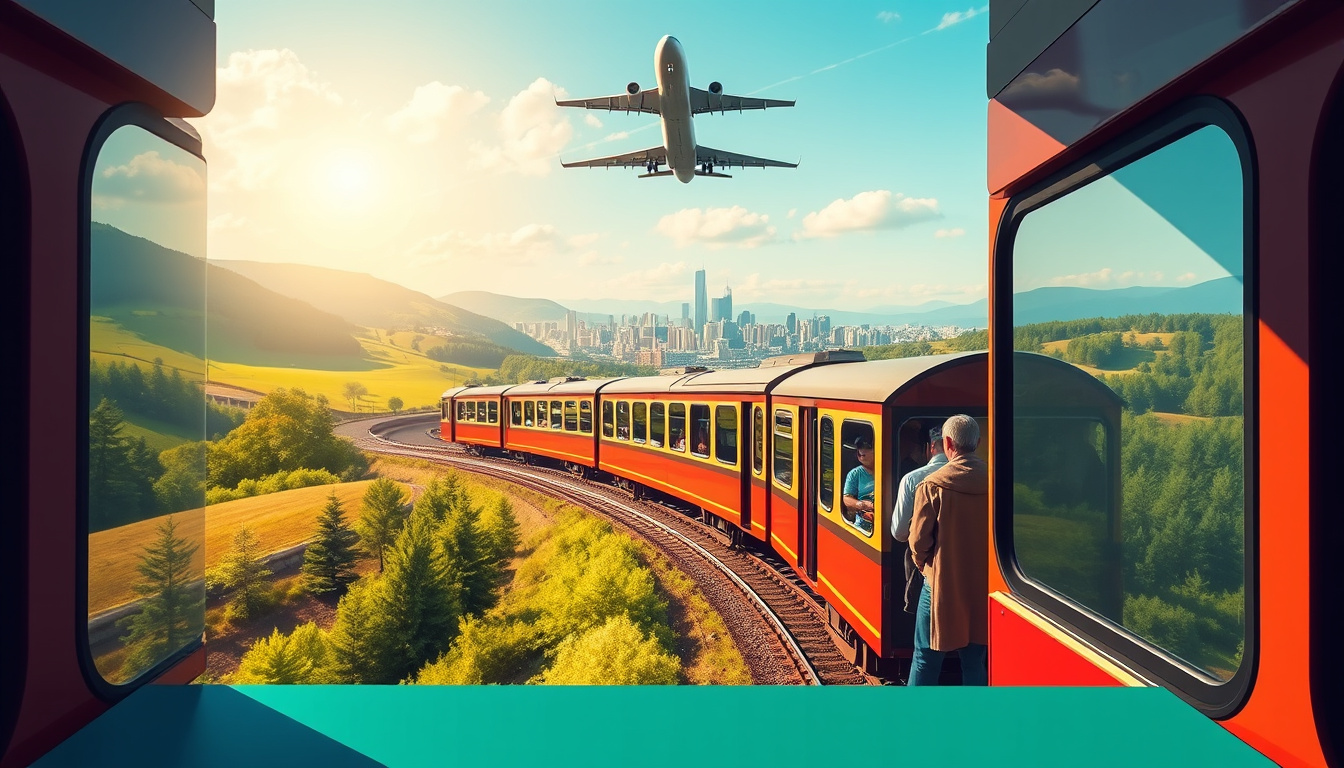
In an age where speedy travel often takes precedence, it’s easy to overlook the charms of slower, more scenic alternatives. Why train travel is better than flying sometimes delves into the unique advantages that train journeys can offer to travelers seeking cultural enrichment, comfort, and a more relaxed pace. This article will explore crucial factors such as cost-effectiveness, comfort, stunning landscapes, ease of travel, environmental impact, and flexible scheduling to help you understand why choosing a train can sometimes be the superior option for your next journey.
Key Takeaways
- Train travel often provides a more cost-effective option compared to flying.
- Passengers enjoy greater comfort and space when traveling by train.
- Train journeys offer unparalleled scenic views and unique travel experiences.
- Traveling by train usually comes with reduced hassles and can save time on short trips.
- Train travel is generally more environmentally friendly than air travel.
Cost-Effectiveness of Train Travel
### Cost-Effectiveness of Train Travel
When contemplating the question of why train travel is better than flying sometimes, one of the most compelling reasons is cost-effectiveness. While flight prices can soar, especially during peak seasons, train tickets often remain more stable and affordable.
#### Comparison of Costs
• Advance Booking: Train services frequently offer significant discounts when tickets are purchased in advance, often resulting in savings compared to same-day flight prices.
• Baggage Fees: Airlines often impose hefty fees for checked baggage. In contrast, most train services allow you to carry more luggage, free of charge.
• Hidden Costs: Flying may also involve added expenses like airport transfers, parking, and long wait times, which can inflate the overall cost of your journey.
#### Examples by Region
• Europe: Countries like Germany and France have efficient rail systems that can take you from city to city for a fraction of the cost of flying. For instance, a train from Paris to Milan can be significantly cheaper than a budget flight when all additional costs are factored in.
• North America: Amtrak offers extensive routes across the U.S. where traveling by train can be more economical than the combined cost of budget airline tickets, baggage fees, and airport transfers, particularly for longer distances.
In essence, when evaluating why train travel is better than flying sometimes, it becomes clear that the affordability, combined with additional savings on baggage and other fees, makes trains an attractive option for budget-conscious travelers.
Comfort and Space Compared to Air Travel
## Comfort and Space Compared to Air Travel
When considering why train travel is better than flying sometimes, comfort and space rank high on the list. Trains offer a more relaxed environment where travelers can stretch their legs and move about freely without the constraints of seatbelts and tiny aisles. On a train, passengers can enjoy spacious seating with ample legroom—many trains even feature recline settings to enhance comfort.
In contrast, air travel often necessitates enduring cramped seating arrangements, particularly in economy class, where personal space can feel limited. The close quarters in an airplane, coupled with fluctuating pressure levels, can make for an uncomfortable journey. Furthermore, train carriages often come equipped with spacious lounges, dining areas, and even observation decks that allow travelers to enjoy the scenery while savoring a meal, a luxury that is seldom found on flights.
In countries like Italy, for instance, the scenic trains such as the Frecciarossa whisk you through picturesque landscapes while providing comfortable seating and onboard dining options. The allure of panoramic views alongside the convenience of grabbing a snack or a local wine can make the journey as enjoyable as the destination itself.
For families or groups traveling together, train journeys can create a more communal atmosphere. Seats are often positioned in groups, promoting social interaction and making it easier to share experiences, which adds to the joy of a trip. Overall, passengers who prioritize comfort, space, and a stress-free travel environment often find that train travel is not just a means of transportation, but an intrinsic part of the travel experience itself.
‘The journey matters as much as the destination, and by train, you can truly embrace the beauty of the world around you.’

Environmental Impact of Train Travel
## Environmental Impact of Train Travel
When considering travel options, one of the most pressing discussions in today’s ecologically conscious world is the environmental impact of different modes of transportation. Why train travel is better than flying sometimes hinges on several compelling reasons, with a strong emphasis on sustainability and ecological footprint.
### Lower Carbon Emissions
Trains are widely recognized for their lower carbon emissions compared to airplanes. For instance, a study by the European Environment Agency indicates that trains emit, on average, 80% less carbon dioxide per passenger mile than planes. This significant reduction in greenhouse gases is crucial as we strive for a more sustainable world.
### Energy Efficiency
Trains are more energy-efficient, partly due to the ability to carry larger numbers of passengers at once. Electric trains, which are common in regions like Europe and parts of Asia, often utilize renewable energy sources, further decreasing their environmental impact. For example, Germany’s extensive rail network uses renewable energy to power over 70% of its train journeys, showcasing a successful model of sustainable travel.
### Resource Consumption
Additionally, trains consume less fuel and utilize fewer natural resources than airplanes. The production and maintenance costs associated with rail infrastructure can also be more sustainable in the long run, particularly when factoring in the life cycle of vehicles and their impact on the planet.
### Noise Pollution
Beyond just carbon emissions, trains contribute significantly less to noise pollution compared to planes. Urban areas that embrace rail travel can benefit from reduced noise levels, making cities more livable while providing efficient transportation options.
### Economic Impact on Local Communities
Train travel promotes local economies, as stations often lead to the development of surrounding areas. Cities like Kyoto, Japan, leverage their extensive rail networks to enhance tourism, enabling travelers to explore many cultural sites without relying on high-emission flights.
In conclusion, why train travel is better than flying sometimes is anchored in its environmental benefits—lower carbon emissions, greater energy efficiency, resource conservation, and reduced noise pollution. As travelers, making conscious transportation choices can significantly contribute to our planet’s health, and opting for train journeys over flights can be a step toward responsible and sustainable tourism.
Flexibility and Accessibility of Train Schedules
### Flexibility and Accessibility of Train Schedules
One of the key advantages of opting for train travel over flying is the unparalleled flexibility and accessibility that train schedules offer. Many travelers may wonder, ‘Why is train travel better than flying sometimes?’ The answer lies in the numerous benefits associated with train journeys.
#### Convenient Departure and Arrival Locations
Most train stations are centrally located within cities, making it easier to access from your accommodation compared to airports, which are often situated on the outskirts. This proximity not only saves valuable time but also reduces stress—no long transfers or waiting times to reach the terminal. For instance, while traveling through Europe, hopping on a train from the heart of Paris to beautiful Barcelona can be done seamlessly, as both cities have conveniently located train stations.
#### Frequent Services
Train services frequently operate throughout the day, offering greater schedule flexibility. Unlike flights, which may only have one or two departures daily to certain destinations, trains frequently run every hour or even half-hourly. This means you can easily adjust your travel plans or change your departure time with minimal hassle.
#### Less Hassle at Check-In
Train travel often requires significantly less time for check-in compared to air travel. Most trains allow travelers to arrive just a few minutes before departure, as there are typically no cumbersome security checks or long lines. This ease of access makes spontaneous trips more viable.
#### Scenic Routes
The journey itself on a train can be as enjoyable as the destination, with breathtaking landscapes unfolding outside your window. For example, the train ride through the Italian countryside from Florence to Venice offers stunning views that you simply cannot experience while soaring thousands of feet in the air.
#### Baggage Allowance
Another practical element favoring train travel is the typically more generous baggage allowance, allowing you to carry larger suitcases without incurring additional fees. For families or those traveling with sports equipment, the flexibility around luggage rules can be a significant advantage, adding value to your overall travel experience.
In summary, when contemplating your next journey, consider the versatility and accessibility of trains. With their convenient locations, frequent services, relaxed check-in processes, scenic routes, and favorable baggage allowances, train travel not only enhances the overall experience but also stands out as a compelling alternative to flying.
Frequently Asked Questions
What are the cost benefits of train travel compared to flying?
Train travel often comes with lower ticket prices, no baggage fees, and additional savings on airport transfers, making it a more cost-effective option for many travelers.
How does train travel offer more comfort than flying?
Trains typically provide more legroom, wider seats, and the ability to move around freely compared to the cramped quarters of an airplane, allowing for a more relaxed travel experience.
What kind of views can I expect when traveling by train?
Train journeys often feature picturesque landscapes, scenic routes, and unique views that you wouldn’t get from a plane, adding to the overall travel experience and enjoyment.
Is train travel less stressful than flying?
Yes, train travel usually involves fewer security checks, a more straightforward boarding process, and less waiting time, making it a hassle-free alternative to the complexities of flying.
How does train travel impact the environment compared to air travel?
Train travel is generally more environmentally friendly, as it produces lower greenhouse gas emissions per passenger compared to flying, contributing to a more sustainable approach to travel.