
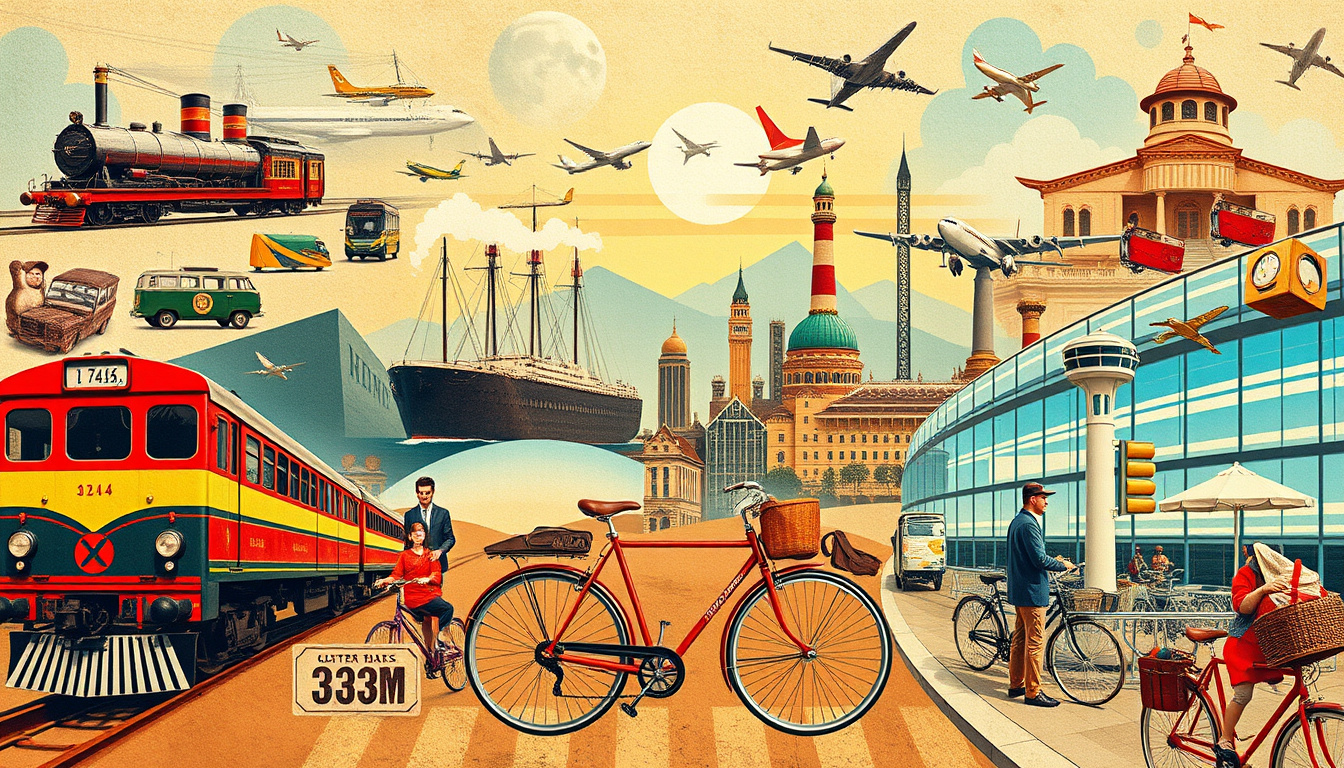
Travel has evolved dramatically over the centuries, reflecting societal changes, technological advancements, and cultural exchanges. In this article, we will delve into how old travel styles inspire modern tourism by examining traditional travel methods, their characteristics, and the influence they have today on contemporary travel trends. From the grand journeys of ancient explorers to the modern traveler’s quest for authenticity and sustainability, we will explore how these historical practices shape our wanderlust today.
Key Takeaways
- Travel has evolved significantly, reflecting shifts in societal values and technology.
- Traditional travel styles emphasize community and cultural immersion, shaping modern tourism trends.
- Influences from ancient cultures enrich contemporary tourism offerings and experiences.
- Today’s travelers often seek authentic experiences that echo historical travel practices.
- The integration of eco-tourism and sustainable practices draws inspiration from traditional, nature-focused travel.
The Evolution of Travel: A Brief Historical Overview
The world of travel has a rich history, encompassing diverse styles and purposes that have evolved over millennia. Understanding how old travel styles inspire modern tourism offers a window into how human curiosity and exploration remains deeply rooted in our culture. Ancient trade routes, such as the Silk Road, were not just commercial highways but also conduits for cultural exchange, inspiring today’s travelers to seek authentic experiences beyond mere sightseeing. Pilgrimages dating back to ancient civilizations continue to influence spiritual journeys, while the Grand Tour of the 17th and 18th centuries has birthed the modern concept of educational travel. Likewise, the Victorian era’s emphasis on leisure travel laid the groundwork for contemporary wellness and eco-tourism experiences, drawing from nature’s tranquility and local traditions to rejuvenate and inspire. Furthermore, the rise of adventure tourism owes much to the intrepid explorers of the past, who ventured into the unknown, paving the way for today’s thrill-seekers. In this exploration of travel’s evolution, we can see how timeless themes and practices from bygone eras continue to shape our wanderlust and aspirations in the modern world.
Traditional Travel Styles and Their Characteristics
### Traditional Travel Styles and Their Characteristics
Understanding how old travel styles inspire modern tourism requires taking a closer look at the roots of various travel traditions that shaped our journeys today. From the nomadic tribes of Mongolia who traveled vast distances following their herds, to the leisurely Grand Tour of 18th-century Europe, traditional travel philosophies still resonate within contemporary travel experiences.
Key Characteristics of Traditional Travel:
1. Cultural Immersion: Traditional travel focused on engaging with local cultures, customs, and languages, something today’s travelers are increasingly seeking in immersive experiences.
2. Journey Over Destination: The journey itself was often as important as the destination. Modern slow travel movements echo this, promoting a deeper engagement with regions as travelers take time to explore.
3. Pilgrimages and Spiritual Journeys: Historically, travel often held spiritual significance, whether through religious pilgrimages to Santiago de Compostela or ancient trade routes. Modern wellness retreats often embrace this notion of journeying towards personal enlightenment and healing.
4. Sustainable Practices: Many traditional travel styles, like eco-tourism or community-based tourism initiatives, focus on preserving local environments and cultures, paralleling contemporary efforts towards sustainable travel.
5. Adventure and Exploration: Traditional exploration, epitomized by the likes of Marco Polo, captures the spirit of adventure seen in today’s trend of destination exploration, such as backpacking in Southeast Asia or trekking in Patagonia.
Through these characteristics, it is clear that modern tourism draws heavily from traditional travel styles, blending their timeless principles with contemporary needs for sustainable and enriching experiences.
‘Travel opens your heart, broadens your mind, and fills your life with stories to tell.’ – Pia Rattenhuber
Influence of Ancient Cultures on Contemporary Tourism
## Influence of Ancient Cultures on Contemporary Tourism
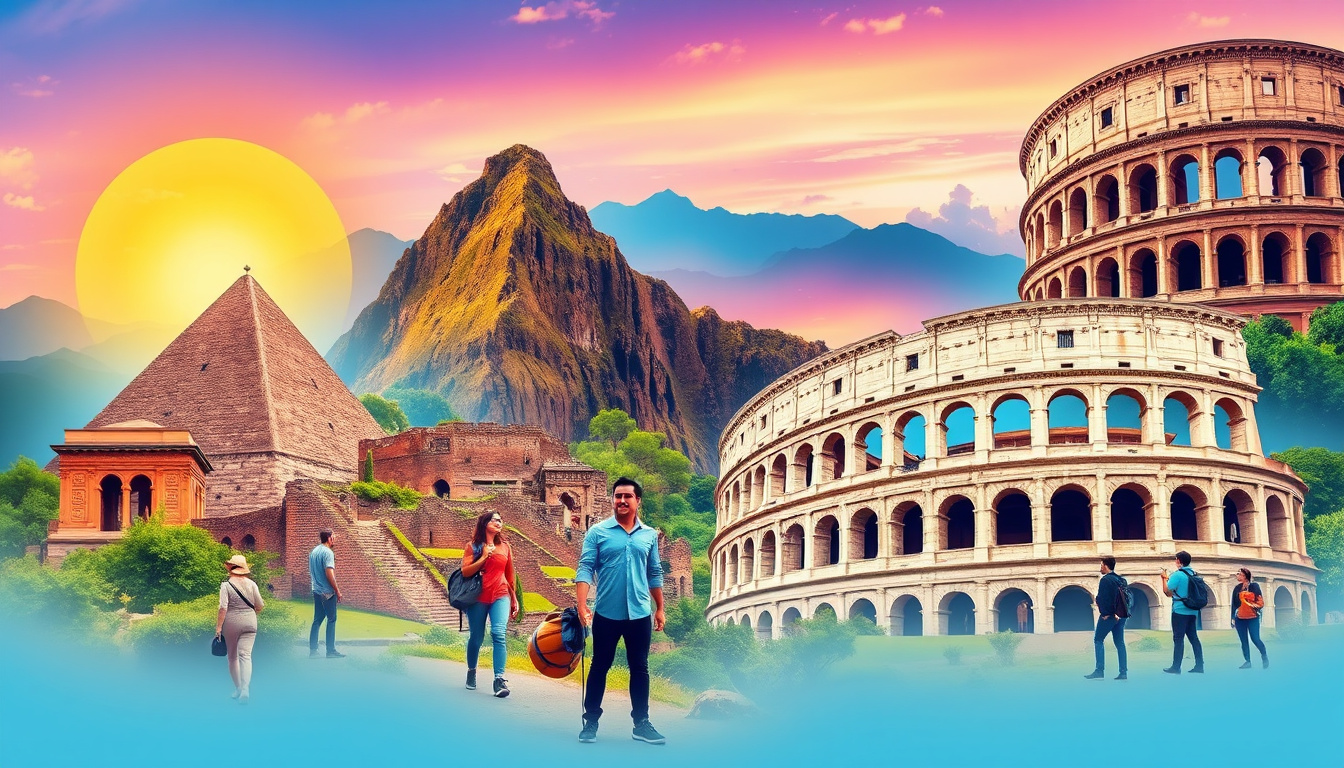
In exploring how old travel styles inspire modern tourism, we find that the roots of contemporary travel can often be traced back to ancient traditions and cultures. From the Roman Empire’s extensive road networks facilitating travel across vast regions to the pilgrimage routes of medieval times, ancient cultures have shaped the very essence of how we travel today.
### Historical Pilgrimages and Their Modern Relevance
One of the most notable influences is the concept of pilgrimage. Ancient journeys such as the Camino de Santiago in Spain and the Hajj to Mecca have not only served religious purposes but have also become significant attractions for modern tourists seeking spiritual enlightenment and cultural immersion. These routes often emphasize mindfulness and reflection, echoing today’s wellness travel trends.
### Trade Routes and Cultural Exchange
Similarly, ancient trade routes like the Silk Road have inspired modern tourism by highlighting the importance of cultural exchange. Contemporary travelers often seek to experience the diverse heritages of the Silk Road by visiting countries like China, Uzbekistan, and Turkey. This desire for cultural exploration leads to a deeper appreciation of local customs, cuisine, and artistry, enhancing the travel experience.
### Wellness Retreats Rooted in Ancient Practices
The resurgence of wellness tourism can also be linked to ancient practices. Many modern wellness retreats incorporate techniques from Ayurveda in India, traditional Chinese medicine, and indigenous healing practices. Destinations such as Ubud in Bali and Tulum in Mexico have emerged as hubs for health-conscious travelers looking to rejuvenate their body and soul, reflecting age-old traditions in contemporary settings.
### Adventure Travel Inspired by Ancient Exploration
Adventure tourism draws from the exploratory spirit of ancient civilizations. The likes of explorers such as Marco Polo and Ibn Battuta paved the way for modern adventure seekers. Today, travelers venture into remote regions or undertake activities such as trekking the Inca Trail in Peru, which resonates with the same adventurous spirit that prompted early explorers to travel beyond their known boundaries.
### Practical Travel Tips
• Embrace Heritage Trails: When traveling, consider paths that are rich in history. Participate in guided tours of historic sites to appreciate their significance fully.
• Engage with Local Cultures: Attend local festivals or workshops that showcase traditional arts and crafts. This not only supports local communities but also enriches your travel experience.
• Seek Authentic Experiences: Look for accommodations that reflect local heritage, such as guesthouses in restored heritage homes or eco-lodges built using traditional techniques.
Exploring how old travel styles inspire modern tourism unveils a tapestry of interconnected experiences. By honoring our past and celebrating cultural heritage, today’s travelers can enjoy enriching journeys that resonate with the ancient explorations of those who came before us.
Modern Travelers’ Desire for Authentic Experiences
In an era where digital advancements dictate our daily lives, a significant shift has emerged in the travel industry, emphasizing authentic experiences over convenience and luxury. Modern travelers increasingly seek to explore the world through the lens of past travel styles, leading to a resurgence in the appreciation of cultural immersion, local interactions, and adventure-based itineraries. The evolution of travel has drawn inspiration from old travel styles, such as the grand tours of the 18th century, where explorers would embark on extended journeys to gain a deeper understanding of different cultures. Today, this desire for authenticity drives tourists to engage in local customs, participate in traditional activities, and savor regional cuisine in ways that resonate with the past. In hindsight, the parallel between the leisurely explorations of yesteryears and the intentional wanderings of modern travelers underscores the importance of connecting with the essence of each destination. Whether it’s volunteering at a local farm in Italy, taking part in a traditional tea ceremony in Japan, or hiking ancient trails in Peru, these experiences foster a richer understanding of diverse cultures and rejuvenate the spirit of travel.
Eco-Tourism and Sustainable Practices: A Return to Roots
## How Old Travel Styles Inspire Modern Tourism
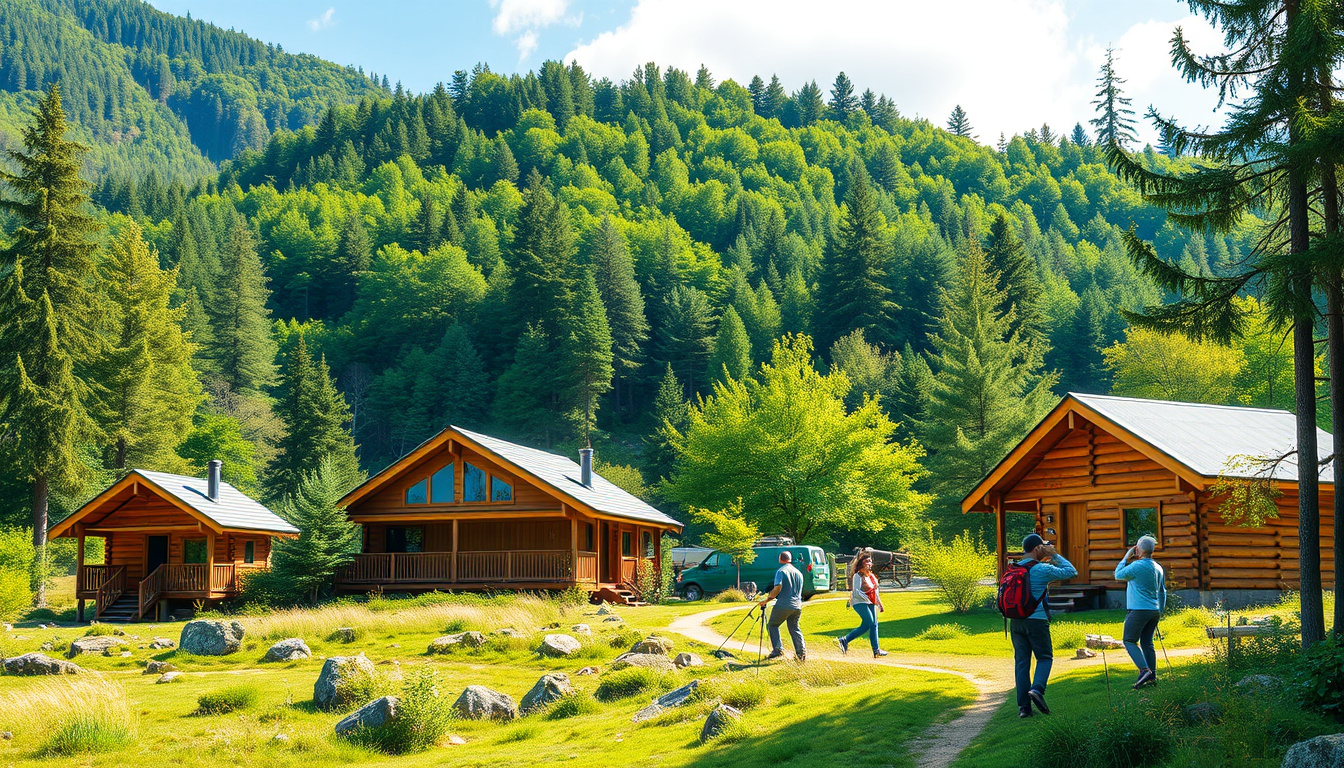
Travel is not just about visiting new places; it is about connecting with our shared history, culture, and the environment. As the world embraces eco-tourism and sustainable practices, there is a remarkable renaissance in travel styles that hark back to simpler times. Understanding how old travel styles inspire modern tourism can help travelers make informed choices that benefit both them and the planet.
### The Essence of Slow Travel
Slow travel is a philosophy that prioritizes immersion over speed, encouraging travelers to engage deeply with the places they visit rather than racing through a checklist of attractions. This approach is reminiscent of earlier travel practices, where journeys were delightful discoveries rather than mere transactions.
• Embrace Local Cultures: Instead of staying in large, impersonal hotels, consider family-run guesthouses or eco-lodges that promote cultural exchange. For instance, spending time with local artisans in Bali not only supports their craft but provides rich learning experiences about their traditions.
• Choose Land Travel: Opt for trains, bicycles, or even hiking as a means of transportation. Countries like Switzerland and Japan offer breathtaking train journeys that let you enjoy the scenery slowly and sustainably.
### Community-Based Travel
Historically, travel was often about visiting local communities and experiencing their way of life firsthand. Today, community-based tourism allows visitors to connect genuinely with locals, supporting their economies while enhancing their travelers’ experiences.
• Participate in Workshops: Engage in local cooking classes in Tuscany or craft workshops in Mexico to understand cultural nuances and create lasting connections.
• Volunteer Travel: Consider long-term volunteer opportunities that allow for deep engagement with local issues, such as conservation projects in Costa Rica or education initiatives in rural India.
### Eco-Conscious Itineraries
Ancient travel practices inherently respected nature and the environment. Today, eco-tourism echoes this sentiment by promoting journeys that leave minimal footprints. When planning your itinerary, contemplate the sustainability of your choices.
• Choose Eco-Friendly Accommodations: Look for lodges and hotels that prioritize sustainable practices, such as solar energy and water conservation. For example, eco-resorts in the Amazon rainforest not only provide comfort but also contribute to conservation efforts.
• Support Ethical Wildlife Experiences: Avoid attractions that exploit animals; instead, visit sanctuaries that rescue and rehabilitate wildlife, like those in Thailand or South Africa. This approach honors the age-old bond between humans and nature.
### Technology Meets Tradition
While modern travel is often associated with technology, the wisdom of age-old travel methods can inform better practices today. Effective use of technology can enhance traditional travel experiences while respecting their roots.
• Digital Detox Retreats: Engage in wellness travel that focuses on disconnecting from screens and reconnecting with nature and self. Retreats in places like Sedona, Arizona, offer holistic experiences founded on both ancient practices and modern mindfulness.
• Travel Apps with Purpose: Utilize mobile applications that promote sustainable tourism options or help you find local experiences in real-time. Apps like ‘Local Guide’ can lead you to culturally rich experiences while traveling, echoing the discovery spirit of traditional travel.
### Conclusion
By understanding how old travel styles inspire modern tourism, we can carry forward the best aspects of these rich traditions into our travel plans. By choosing slow travel, engaging with communities, supporting eco-conscious itineraries, and leveraging technology mindfully, we can ensure that our journeys are not only enjoyable but also authentic and sustainable. Adopt these practices to contribute positively to both the places you explore and your personal growth as a traveler.
Future Trends: Merging Old Styles with Technology in Travel
## Future Trends: Merging Old Styles with Technology in Travel
### How Old Travel Styles Inspire Modern Tourism
As we glide into a new era of travel, it becomes increasingly clear that the golden threads of tradition and heritage are deeply woven into the fabric of modern tourism. The question arises: how old travel styles inspire modern tourism? From the immersive experiences sought by today’s adventurers to the sustainable practices gaining momentum across the globe, the influence of historical travel methods is profound and ever-present.
### The Resilience of Traditional Travel Styles
Historically, travel served as a means of exploration, discovery, and cultural exchange. Ancient routes such as the Silk Road or the Grand Tour in Europe not only connected diverse civilizations but also fostered the joy of experiencing the unfamiliar. Today, these old travel styles inspire a renewed appreciation for authenticity and sustainability in tourism. Here’s how:
• Cultural Immersion: Travelers today crave deeper connections and want to interact meaningfully with local cultures. This preference mirrors the practices of early travelers who immersed themselves in different ways of life during their journeys. For example, programs in countries like Japan encourage visitors to participate in tea ceremonies or learn traditional crafts, echoing the earlier custom of connecting through authentic experiences.
• Slow Travel Movement: Modern tourists are increasingly seeking to slow down their pace, reminiscent of how journeys were undertaken in the past. Rail journeys in scenic countries like Switzerland or Italy have gained popularity, as they allow travelers to savor the landscapes and cultures along the way, much like travelers of yore would take months to traverse Europe.
• Sustainable Practices: Inspired by ancient travel styles that maintained harmony with nature, modern tourism is experiencing a push towards ecological mindfulness. Initiatives promoting eco-friendly accommodations and local sourcing practices draw from traditional methods where local resources were used to provide for the community. Destinations such as Costa Rica exemplify this trend, focusing on responsible travel while showcasing their rich biodiversity.
### Technological Integration and Its Role
While the roots of travel remain firmly grounded in tradition, technology plays a pivotal role in enhancing those age-old styles. Here are some ways technology complements historical travel methods:
• Digital Nomadism: Inspired by the wanderlust of early explorers, today’s digital nomads are using technology to work while traveling. Platforms like Airbnb have revolutionized how we find accommodation, marrying the authenticity of local homes with the convenience of modern booking tools.
• Virtual Reality Experiences: Some travel companies are creating immersive VR experiences that allow potential travelers to explore destinations virtually. This innovation draws inspiration from early travel literature and art, which depicted far-off places, allowing contemporary users to experience cultures before traveling.
• Social Media Influences: Today’s travelers often share their journeys online, following the timeless tradition of travel writing. Social media platforms showcase diverse cultural experiences and inspire others to explore. Influencers often curate traditional experiences, such as cooking local dishes in places like Morocco, blending age-old practices with modern storytelling.
### Embracing Old Styles in Modern Tourism
As we reflect on how old travel styles inspire modern tourism, it is essential to recognize the balance between tradition and technological advancement. Here are a few actionable tips for travelers seeking to embrace these themes in their journeys:
1. Seek Local Experiences: Opt for guided tours that prioritize local culture, such as heritage walks in cities like Florence or traditional homestays in Vietnam.
2. Utilize Sustainable Travel Options: Choose eco-friendly transportation methods, participate in conservation efforts, or support businesses that prioritize community welfare.
3. Document Your Journey: Follow in the footsteps of travelers of the past by journaling your experiences or creating a blog, allowing you to share your own stories and inspire others.
4. Stay Open to the Unexpected: Embrace spontaneity, reminiscent of the exploratory spirit of early travelers. Sometimes, the best experiences—like discovering a hidden café in Paris—are unplanned.
### Conclusion
In embracing how old travel styles inspire modern tourism, we turn towards practices that encourage cultural respect, sustainability, and meaningful connections. Both travelers and the industry alike can benefit from learning lessons from the past while integrating modern conveniences. As you embark on your next journey, consider how you can honor these traditions, ensuring that your experiences are not just enjoyable but also enrich the communities you visit.
Frequently Asked Questions
What are some examples of traditional travel styles?
Traditional travel styles include pilgrimage journeys, trade routes, and the grand tours of the 18th and 19th centuries, each characterized by specific purposes and experiences that have shaped modern travel.
How have ancient cultures influenced modern tourism?
Ancient cultures have imparted values and practices, such as community-focused travel, immersive experiences, and spiritual journeys, which inspire contemporary tourism trends and travelers’ expectations.
Why is there a growing desire for authentic experiences among modern travelers?
Modern travelers seek authentic experiences to connect more deeply with destinations, cultures, and communities, moving away from typical tourist traps in favor of immersive, local interactions.
What is eco-tourism and how does it relate to old travel styles?
Eco-tourism emphasizes sustainability and responsible travel, echoing traditional travel styles that often prioritized harmony with nature and local communities, thus promoting a return to more mindful travel practices.
How is technology merging with traditional travel styles in the future?
Future trends in tourism will likely integrate technology with traditional travel styles through apps for immersive experiences, virtual reality tours, and enhanced storytelling that honors historical practices while offering modern conveniences.