
Cultural travel is a unique form of exploration that goes beyond leisurely sightseeing, immersing travelers in the customs, traditions, and daily lives of diverse societies around the globe. From engaging with local artisans in Morocco to witnessing the vibrant festivals celebrated in India, cultural travel is meaningful not just for enriching one’s understanding of the world, but also for fostering genuine connections with the people inhabiting it. This article will delve into the various dimensions of cultural travel, highlighting its numerous benefits, the role of local communities, and practical tips to enhance your journey for a more profound experience. Explore how cultural travel creates a bridge between people, preserves global heritage, and nurtures personal growth through shared human experiences.
Key Takeaways
- Cultural travel enhances understanding and appreciation of diverse lifestyles.
- Experiencing different cultures can lead to invaluable personal growth and new perspectives.
- Engaging with local communities enriches the travel experience and fosters genuine connections.
- Sustainable tourism practices help preserve cultural heritage for future generations.
- Planning ahead with tips can greatly enhance the overall cultural travel experience.
Understanding Cultural Travel
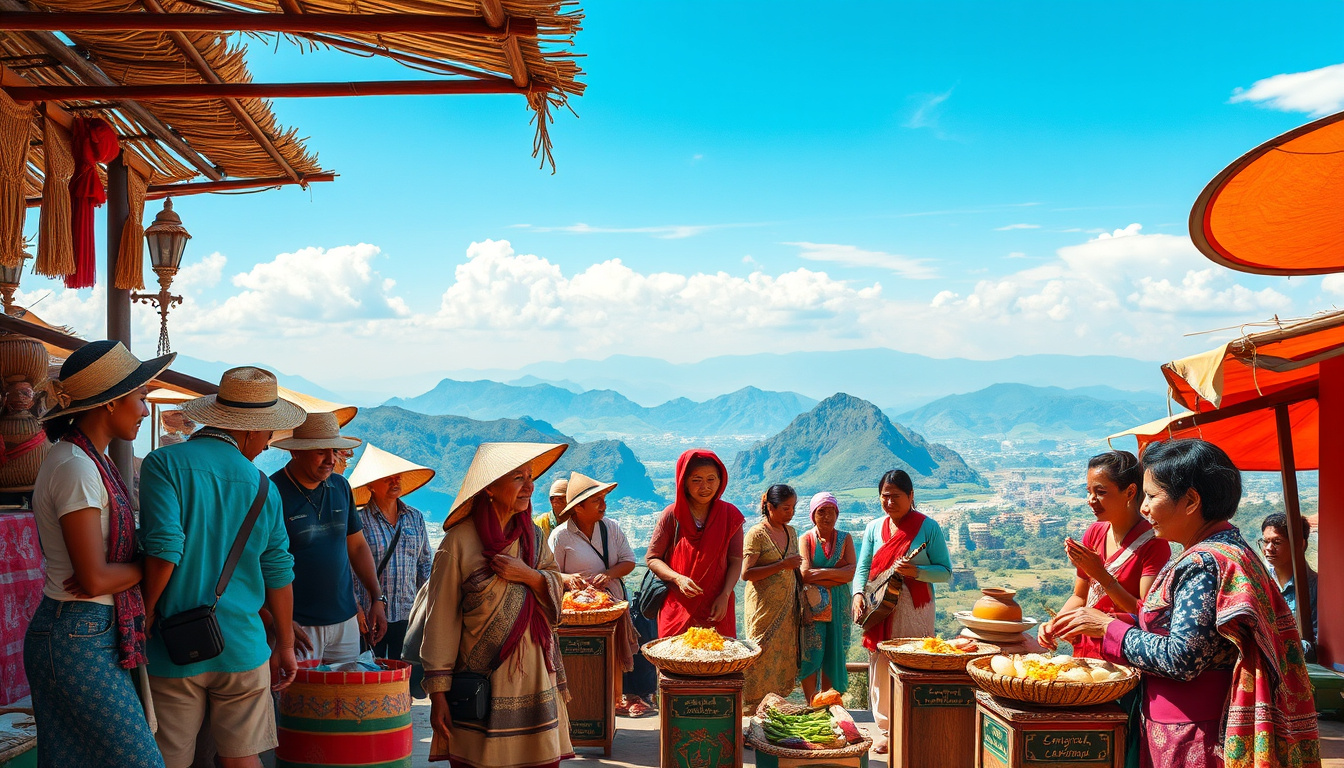
Cultural travel is meaningful because it offers travelers the unique opportunity to connect deeply with the history, traditions, and everyday lives of different societies. Unlike standard tourist experiences that may focus primarily on sights, cultural travel invites us to engage with local communities, fostering a mutual appreciation that transcends boundaries. When you participate in cultural practices such as attending local festivals in Thailand, learning traditional dances in Bali, or enjoying culinary classes in Italy, you don’t just observe; you immerse yourself in the cultural fabric of the place. This level of engagement enriches your travel experience, broadening your perspectives and enhancing your understanding of global diversity. Moreover, cultural travel promotes sustainable tourism by encouraging the preservation of local customs and communities, ensuring that these vibrant practices continue to thrive for future generations. By embracing the ethos of cultural travel, you not only gain memories that last a lifetime but also contribute to the global tapestry of kindness and respect between cultures.
The Benefits of Experiencing Different Cultures
Cultural travel is more than just a journey; it’s an enriching experience that allows travelers to engage with the world on a deeper level. Why cultural travel is meaningful can be understood through several key benefits. First, it fosters genuine connections with people from diverse backgrounds, enabling travelers to see the world through different eyes. This breadth of perspective encourages empathy and understanding, which are crucial in our increasingly global society.
Second, cultural travel enhances personal growth and self-discovery. Immersing oneself in unfamiliar customs and traditions can challenge preconceived notions and foster adaptability and resilience. For instance, participating in local festivities, such as the vibrant Holi festival in India or the serene tea ceremonies in Japan, can offer profound insights into the values and practices that shape these cultures.
Third, this form of travel supports local economies. When travelers choose to engage with local artisans, eat at family-run restaurants, or stay in community-owned accommodations, they contribute directly to the development of these communities. Exploring the colorful markets of Marrakech or the ancient ruins of Machu Picchu supports preservation efforts alongside providing a sustainable income for locals.
Lastly, cultural travel encourages lifelong learning. Each destination holds stories intertwined with its history, language, art, and cuisine, inviting travelers to dive deep into the layers of culture. Whether exploring the historic streets of Rome or grappling with the unique customs in Seoul, these experiences cultivate a thirst for knowledge that extends beyond the trip itself.
Overall, understanding why cultural travel is meaningful helps illuminate the transformative power of travel, making it an essential pursuit for anyone looking to enrich their life and broaden their horizons.
‘Traveling – it leaves you speechless, then turns you into a storyteller.’ – Ibn Battuta
Cultural Travel and Personal Growth
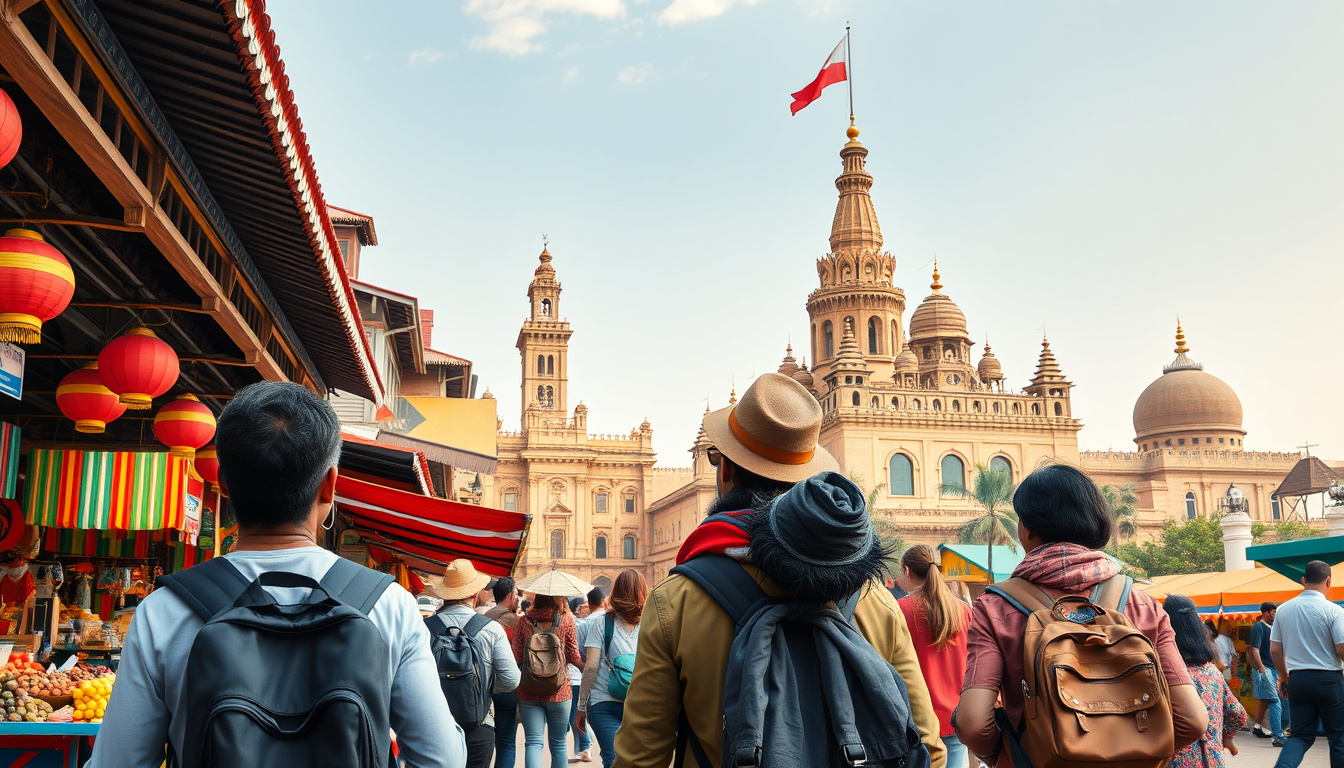
Cultural travel is meaningful for several reasons, primarily because it fosters personal growth and deepens our understanding of the world. When travelers immerse themselves in a different culture, they engage with local traditions, cuisine, art, and social practices, which can challenge preconceived notions and broaden perspectives. For example, visiting a historical site like the Acropolis in Greece or participating in a traditional tea ceremony in Japan allows travelers to witness the rich narratives that shape these societies.
This kind of travel encourages openness and empathy, essential qualities for fostering connections across diverse backgrounds. Engaging with locals, learning their stories, and understanding their way of life can inspire growth and introspection. It invites travelers to question their own beliefs and practices, promoting a sense of humility and appreciation for the shared human experience. Moreover, cultural exchanges often lead to the development of new skills, such as learning a language or culinary techniques, which can further enrich one’s life after returning home.
In summary, cultural travel is not merely about seeing new places; it is about engaging with humanity at a deeper level, gaining insights that transform our worldview, and ultimately contributing to personal development.
The Role of Local Communities in Cultural Travel
Cultural travel is meaningful for several reasons, with one of the most significant being the role of local communities. When travelers engage with local cultures, they gain insights into the everyday lives, traditions, and challenges faced by the people who call these places home. This firsthand experience fosters understanding and respect for diverse perspectives. For instance, in countries like Peru, travelers can participate in community-based tourism initiatives that allow them to learn about Andean agricultural practices while staying in a local homestay. This not only supports local economies but also enhances the traveler’s experience by creating a deeper connection to the culture. Similarly, in Japan, visitors can partake in tea ceremony workshops, offering a glimpse into the country’s philosophy of harmony and respect. By prioritizing cultural interactions, travelers contribute to the preservation of traditions and help sustain the livelihoods of local artisans, farmers, and families, making cultural travel an enriching experience for everyone involved.
Sustainable Tourism and Cultural Preservation
## Why Cultural Travel is Meaningful
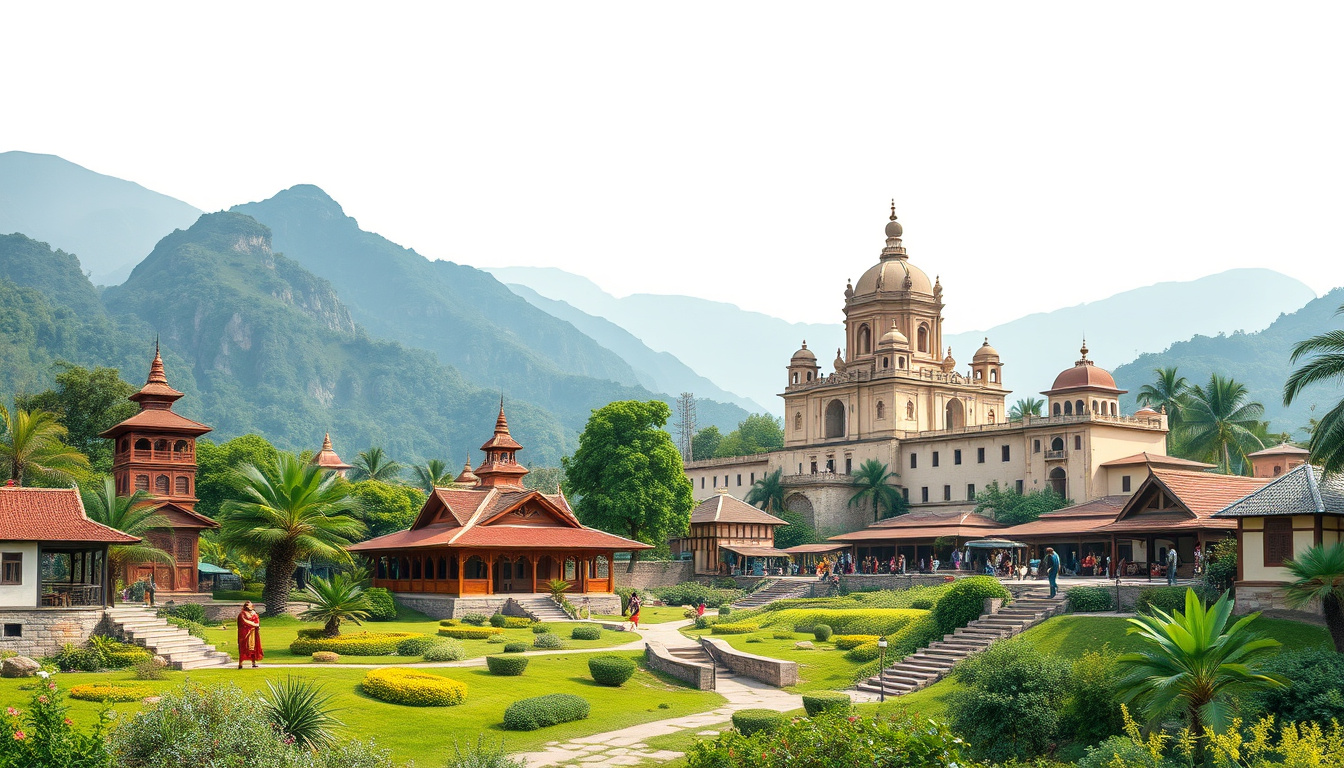
Cultural travel is a transformative experience that goes beyond mere sightseeing; it fosters connections with local communities and enriches our understanding of the world. Engaging in cultural travel allows travelers to delve into the traditions, customs, and lifestyles of diverse populations, paving the way for a deeper appreciation of human history and achievements. This meaningful engagement encourages the preservation of cultural heritage, ensuring that future generations can enjoy and learn from the unique stories that shape us all.
When you embark on a journey that emphasizes cultural exploration, you’ll likely discover hidden gems that many tourists overlook. Whether it’s participating in a traditional festival in Japan, exploring ancient ruins in Greece, or savoring the local cuisine in Mexico, each experience speaks to the heart of a community. By choosing to travel sustainably and responsibly, you not only support the local economy but also help to maintain the cultural integrity of the places you visit. Here are a few reasons why cultural travel holds so much significance:
• Preservation of Traditions: By experiencing local customs firsthand, travelers contribute to the preservation of these traditions. This includes everything from artisanal crafts to indigenous languages.
• Community Empowerment: Engaging with local artisans and guides helps maintain their livelihoods, fostering economic stability within communities that are often reliant on tourism.
• Cultural Exchange: Cultural travel promotes an exchange of ideas and experiences, breaking down stereotypes and building mutual respect among diverse populations.
• Personal Growth: As you navigate through different cultural landscapes, you’ll find that your worldview expands, leading to greater empathy and understanding of global issues.
In regions like Southeast Asia, where markets and festivals reflect centuries-old practices, or in Northern Africa, where the vibrant histories of ancient civilizations breathe life into contemporary communities, travelers can witness monumental examples of cultural legacy. Ultimately, being deliberate about how you travel can make your journeys more meaningful while ensuring the preservation of the rich tapestries of culture found around the globe.
Tips for Enhancing Your Cultural Travel Experience
When embarking on a journey that delves deep into the heart of a destination’s culture, understanding why cultural travel is meaningful can greatly enhance your experience. Here are some key tips to elevate your cultural travel adventures:
###
1. Engage with Locals
Interacting with local communities is one of the best ways to understand a culture. Attend community events, visit local markets, and participate in workshops. Whether you’re in the bustling streets of Marrakech, Morocco, or at a serene bamboo grove in Ubud, Indonesia, these encounters provide genuine insights into daily life.
###
2. Learn the Language
Even a basic understanding of the local language can transform your travel experience. Simple greetings or expressions open doorways for conversations and foster respect. Additionally, it shows appreciation for the culture, which locals often respond to positively.
###
3. Taste the Authentic Cuisine
Food is a cornerstone of culture. Explore traditional dishes and understand their significance. Participate in cooking classes or food tours to not only taste but also learn about the history and cultural context behind the meals. For instance, indulge in Berber tagine in the Atlas Mountains or savor sushi in Tokyo’s Tsukiji Market.
###
4. Participate in Traditional Festivals
Local festivals offer a front-row seat to the customs and traditions. They are rich with history and provide experiential learning opportunities that deepen your travel experience. Whether celebrating Holi in India or the Lantern Festival in Taiwan, these events often showcase music, dance, and rituals that are integral to the culture.
###
5. Visit Historical Sites and Museums
Understanding a culture’s history through museums and historical landmarks is vital. Sites like The Colosseum in Rome or the Great Wall of China not only tell stories of the past but also reflect how cultures evolve over time.
###
6. Chronicle Your Experience
Keep a travel journal or blog detailing your experiences and reflections. This not only helps you process what you’ve learned but also enables you to share your insights with others, promoting cultural appreciation.
By employing these tips while you explore, you’ll gain a richer understanding of why cultural travel is meaningful, transforming a mere trip into a fulfilling journey of discovery.
Frequently Asked Questions
What is cultural travel?
Cultural travel involves visiting places with the intention of understanding and experiencing their unique cultural aspects, including traditions, customs, art, and history.
Why is cultural travel meaningful?
Cultural travel is meaningful because it fosters empathy, broadens perspectives, and deepens our understanding of the world by immersing travelers in diverse cultures.
How does cultural travel promote personal growth?
Cultural travel encourages personal growth by challenging travelers to step outside their comfort zones, learn from others, and adapt to new situations, which can enhance self-awareness and open-mindedness.
What role do local communities play in cultural travel?
Local communities play a crucial role in cultural travel by sharing their traditions, hospitality, and practices, allowing travelers to gain a deeper appreciation and understanding of the culture.
How can I enhance my cultural travel experience?
To enhance your cultural travel experience, engage with locals, participate in cultural activities, respect local customs, and seek out authentic experiences that reflect the true essence of the culture.